Editorial Guide

Men's Shapewear That Works — Without Anyone Knowing You're Wearing It

Men’s shapewear is no longer a niche category. Done well, it creates a cleaner silhouette under everyday clothing — smoothing the stomach, sharpening the waist, and reducing visible chest lines without looking obvious or uncomfortable.

What Is Men's Shapewear?

Men's shapewear refers to fitted inner garments — tanks, vests, shorts, or briefs — designed to compress and smooth targeted body areas under clothing. Unlike women's shapewear, which often focuses on hips and thighs, men's options primarily target the torso: belly compression, waist smoothing, and chest control.

The category includes four main types

Each option serves a different purpose, but not all of them work equally well for daily wear, office outfits, or discreet use under fitted shirts.

01

Compression tanks

Sleeveless, torso-only shapewear designed to smooth the stomach, waist, and chest under everyday clothing.

Most popular for daily wear
02

Compression shirts

Sleeved shapewear covering the full torso and arms, often chosen for extra coverage but usually less discreet under dress shirts.

More coverage, less invisible
03

Compression shorts

Lower-body shapewear built to smooth the waist, thighs, and seat area rather than the chest or upper torso.

Focused on lower body
04

Body shaper vests

More structured torso garments with stronger hold, typically used when maximum compression matters more than softness or discretion.

More structured feel
Key takeaway

For most men — especially those wanting a sharper look under work shirts, polos, or casual tees — the compression tank is the most practical and discreet option. It targets the areas that matter most without adding sleeves, bulk, or visible lines under clothing.

Market shift

Why More Men Are Wearing Shapewear in 2025

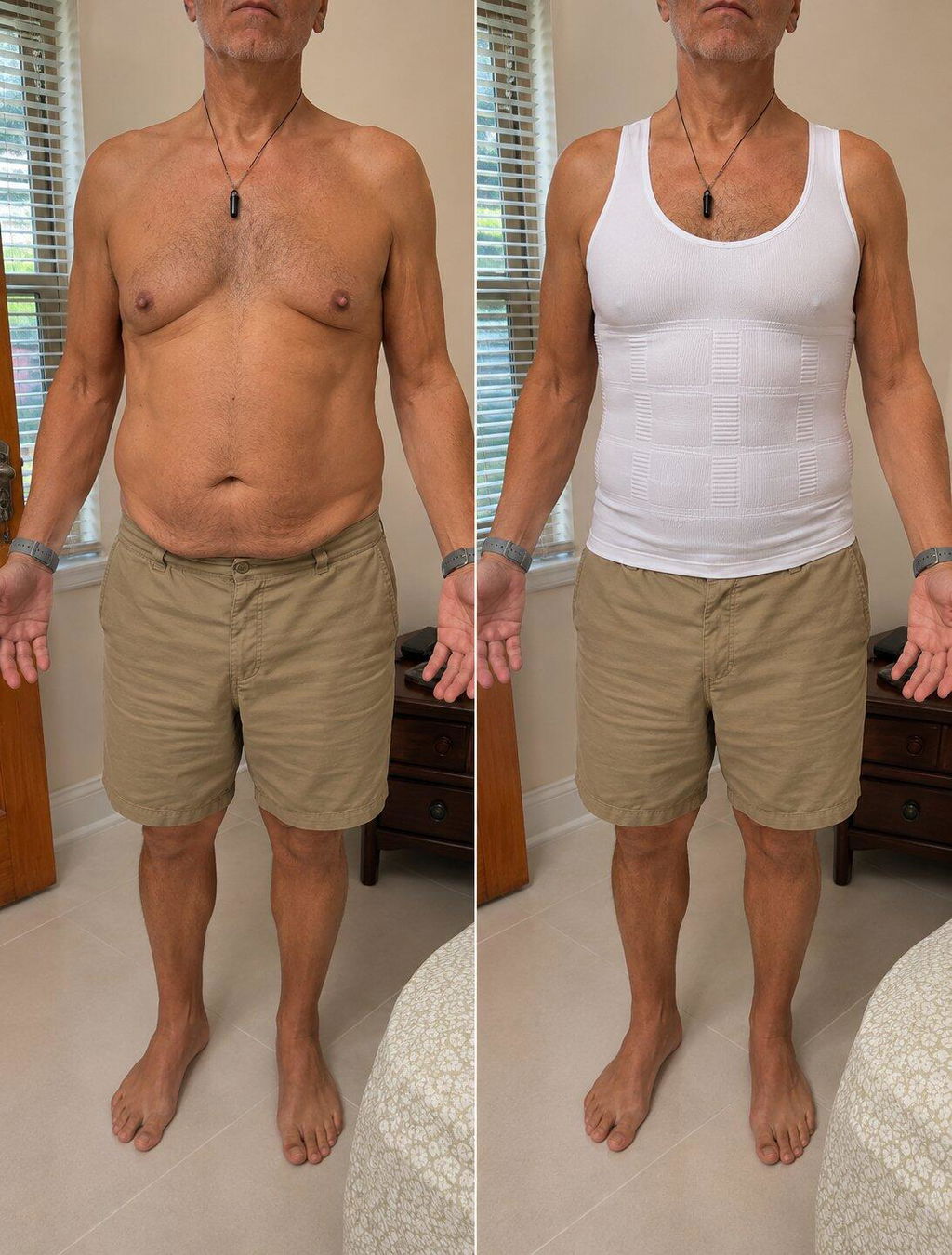
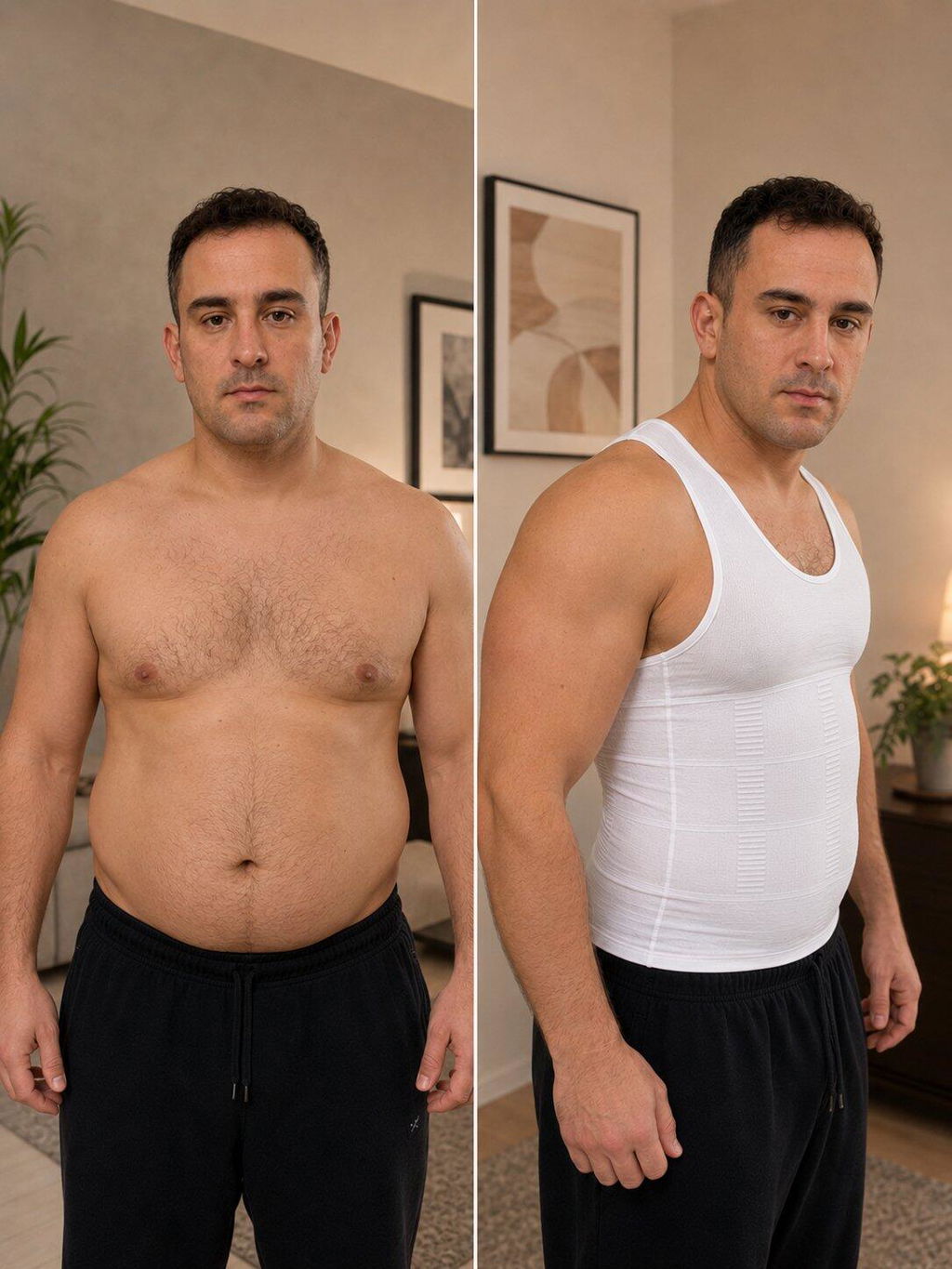
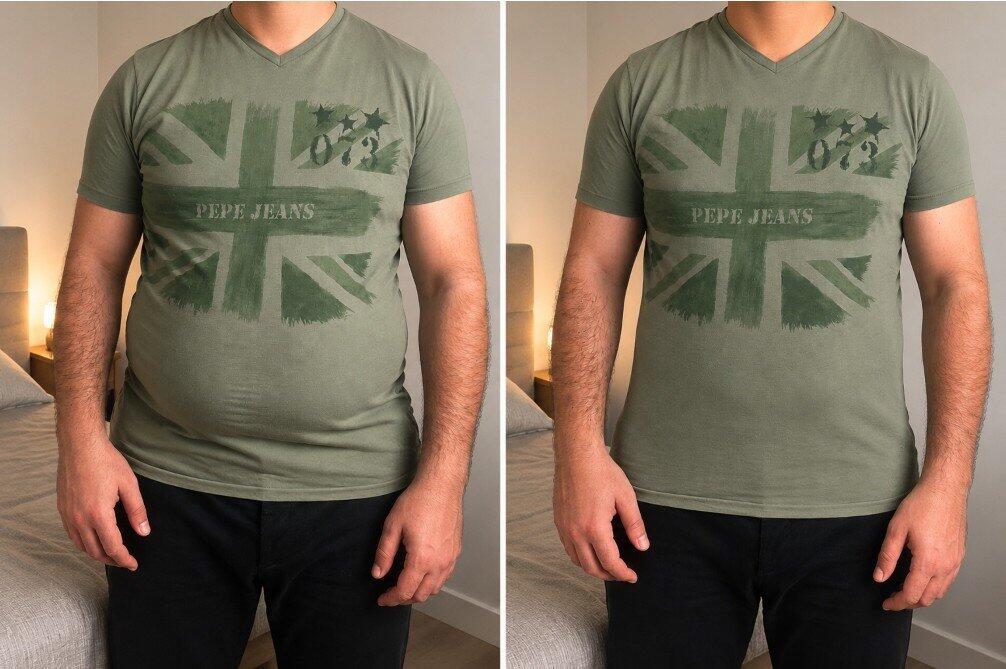
Men's shapewear before and after transformation with compression tank

The men's shapewear market has grown significantly, with SKIMS recently launching a men's line to tap a $500M+ market opportunity (ShelfTrend, 2024). Broader cultural shifts are driving this, especially for men now comparing discreet options like a compression tank or more coverage-focused compression shirts:

  • Men's fashion is increasingly fit-focused — clothes are cut slimmer, making body shape more visible.
  • Professional environments — client meetings, presentations, and office settings place appearance under greater scrutiny.
  • Photography and video calls — remote work, LinkedIn content, and social media increase visual self-awareness.
  • Mainstream acceptance is growing — HuffPost, GQ, and major men's fashion publications now cover men's shapewear without stigma.

The result: men who previously wouldn't consider shapewear now view it as a practical tool — much like a tailored suit or a quality grooming product. For discreet daily wear, many start with the VEROSHAPE Compression Tank because it gives visible smoothing without the bulk of a heavier garment.

Buying guide

How to Choose Men's Shapewear — 5 Things That Actually Matter

Not all men’s shapewear is built the same. The difference between a tank that feels invisible under clothing and one that feels bulky usually comes down to five design decisions. If you need help before buying, use the size guide or browse the full FAQ.

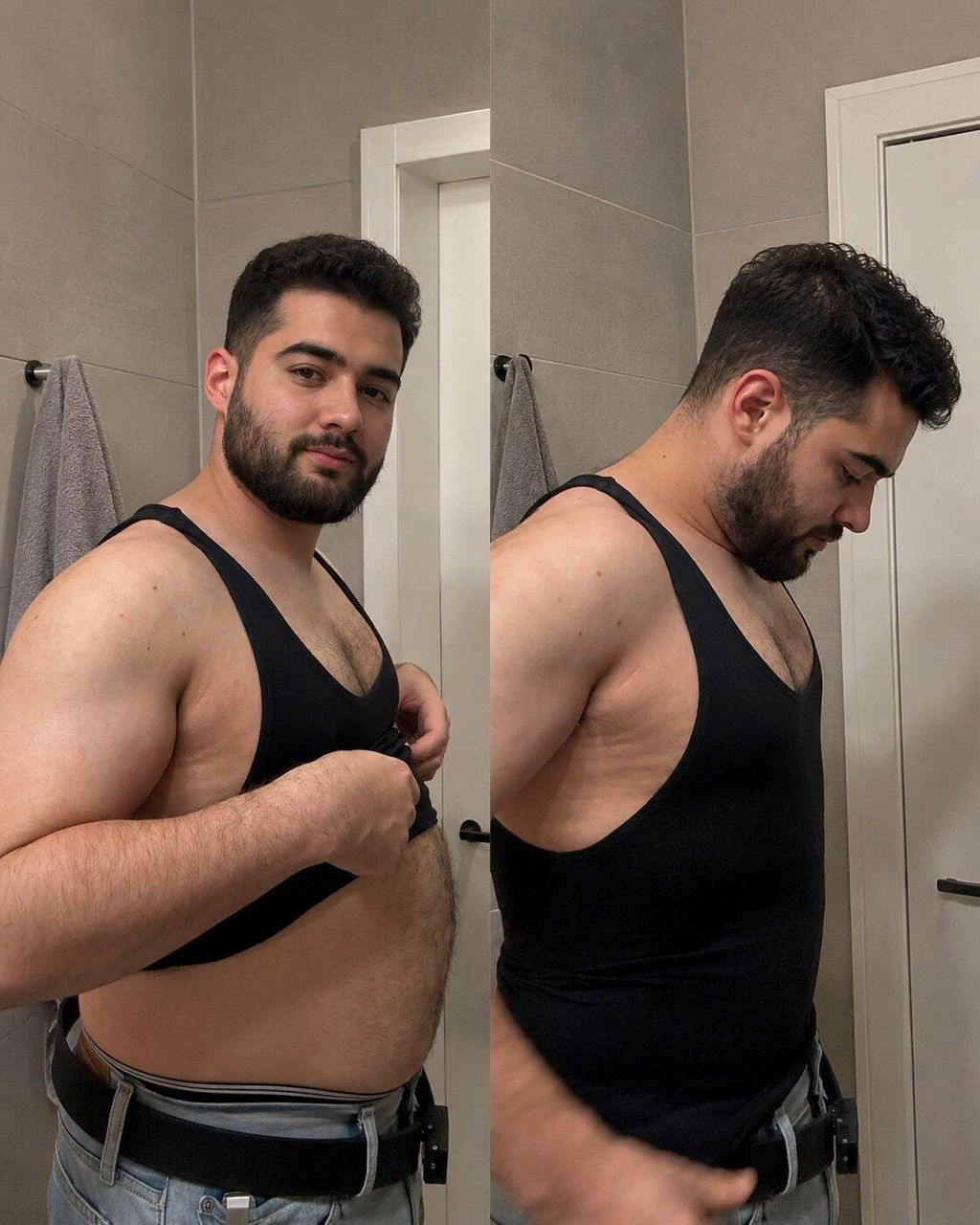
Men's shapewear compression tank features – chest compression panel, torso shaping and seamless construction
01

Target area

Belly only → lighter tank. Belly + love handles + chest → firm full-torso tank with chest panel. For waist-side smoothing specifically, see our guide to a compression tank for love handles.

02

Compression level

Light (gym-style) feels comfortable but gives minimal visual change. Firm shapewear-grade compression creates visible flattening. Medical-grade is usually too restrictive for daily wear. Men focused on chest-specific concerns often compare gynecomastia compression shirts or broader man boobs compression shirts.

03

Fabric

Nylon-elastane gives the best compression-to-breathability ratio and usually keeps its structure for 50+ washes. Polyester blends tend to lose performance faster.

04

Seam design

Flat seams at the collar and armholes are essential under dress shirts. Raised seams show through fabric and instantly make the garment more visible.

05

Length

The tank should extend below the trouser waistband to prevent the “sausage effect” — tissue pushed upward above the compression edge. To maintain performance over time, follow the recommended care instructions.

Comparison guide

Men's Shapewear Comparison — What's the Best Option?

Not all shapewear is built for the same result. If chest compression, invisibility under shirts, and all-day wear matter most, the construction details make a real difference. For the most discreet route, compare a compression tank against a bulkier compression shirt.

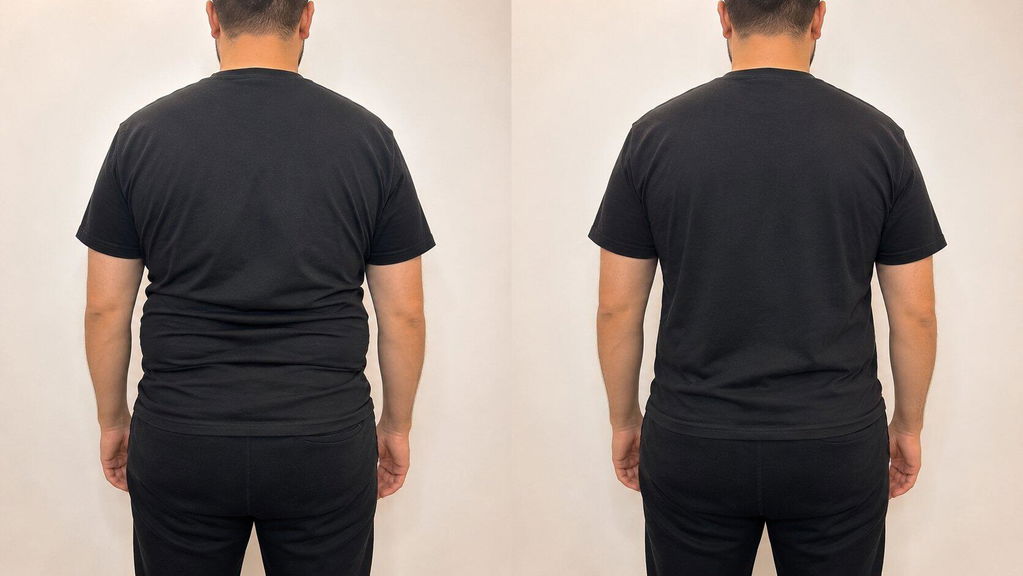
Men's shapewear comparison showing smoother chest and torso with VeroSHAPE compression tank
Product Price/Unit Chest Compression Invisible Under Shirts Daily Wear
Spanx for Men $32-58 General Sometimes 4-6 hrs
Esteem Apparel $24-48 Yes Sometimes 8 hrs
Generic Amazon $8-15 Light only Often visible 2-4 hrs

Note: Pricing based on publicly available information at time of writing. For chest compression specifically, products with a dedicated chest panel outperform general torso compression garments. Men shopping for chest-focused support may also compare gynecomastia compression shirts and compression shirts for man boobs.

Shop VeroSHAPE Compression Tank
Quick summary

Key Takeaways

The core facts that matter most when evaluating men’s shapewear for real daily use.

01

Men’s shapewear is a $500M+ market growing year-on-year — mainstream, not niche.

02

Compression tanks are the most practical option for daily professional wear.

03

Five buying factors matter most: target area, compression level, fabric, seam design, and length.

04

Firm-compression nylon-spandex tanks produce the most consistent visible results.

FAQ

Frequently Asked Questions

The questions men ask most often when comparing everyday compression tanks, broader compression shirts, and the best entry point into modern men’s shapewear.

Is it weird for men to wear shapewear?

No. It has become a practical clothing category for men who want a cleaner silhouette under fitted shirts, polos, or knits. Most people are not trying to look dramatically different — they simply want clothing to sit better through the stomach, waist, or chest. Many men start with slimming undershirts for men or a discreet compression base layer because the result feels subtle rather than obvious.

Does men’s shapewear actually work?

Yes — when the compression level, cut, and size are correct. Shapewear works by applying even pressure to soft tissue so clothing falls more cleanly over the torso. The effect is immediate while worn. It does not change body composition, but it can visibly flatten the stomach, smooth the waistline, and reduce chest outlines under clothing. For the best fit, start with the size guide.

What’s the best men’s shapewear for a stomach?

For most men, the best option is a firm compression tank that extends below the trouser waistband and covers both the belly and waist at the same time. That full-torso coverage tends to look cleaner than garments that only compress the upper stomach. If side-waist smoothing is part of the goal, compare a dedicated compression tank for love handles before choosing.

Can men wear shapewear every day?

Yes. Most everyday men’s shapewear is intended for regular wear during work, dinners, events, or travel. The key is choosing the right size and a fabric blend that feels supportive without becoming restrictive over time. To help maintain elasticity, compression, and recovery, follow the recommended care instructions after repeated wear.

Will men’s shapewear show under a dress shirt?

Not if the garment uses flat seams, a clean neckline, and a smooth surface. In most cases, sleeveless pieces are more discreet than full-sleeve garments because they avoid extra bulk around the armhole. That is why many men comparing invisible options under office clothing end up preferring a compression tank over a full shirt.

What’s the difference between compression shirts and compression tanks?

Compression shirts add sleeve coverage and can make sense when more upper-body coverage is needed. Compression tanks focus shaping where most men actually notice the difference first — the stomach, waist, and lower chest — while staying easier to hide under fitted clothing. Men with chest-specific concerns often compare gynecomastia compression shirts or compression shirts for man boobs, but for daily invisibility the tank usually remains the cleaner option.