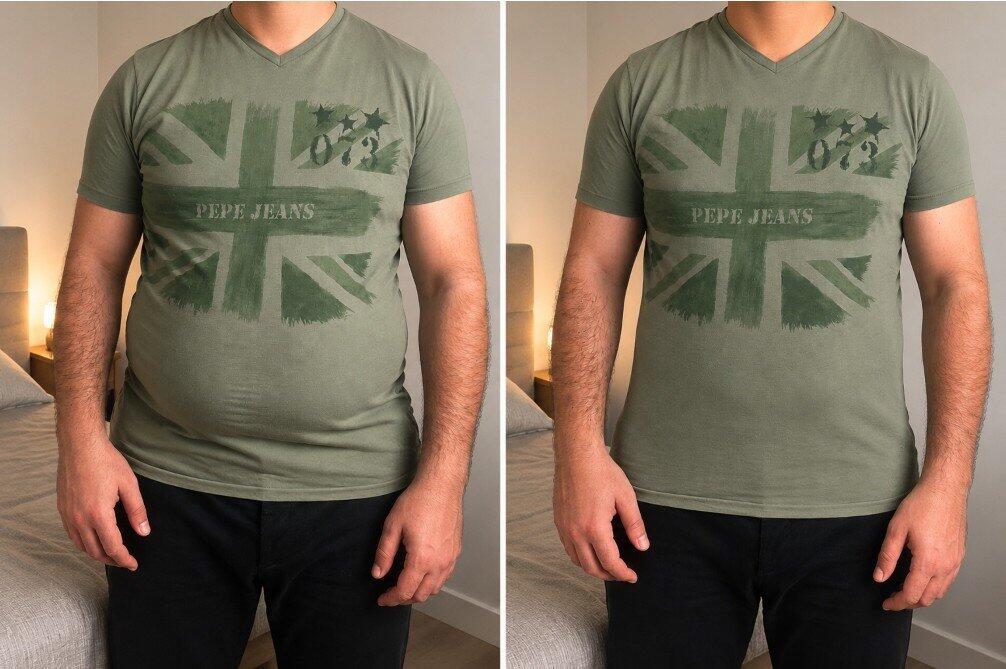
Does Men's Shapewear Actually Work? The Honest Answer
The marketing is slick. The testimonials are glowing. But before you spend money, you need the real answer: does this stuff actually work?
Yes. But not in the way you think.
Men's shapewear isn't a shortcut to a six-pack. It won't change your body long-term. It won't replace the gym or fix poor eating habits. What it does is something much more practical and immediate: it manages how your body looks in clothes, right now, today.
That matters more than you might think. But understanding exactly what it does—and what it doesn't—is the difference between buying a product that changes your confidence and buying something that sits in a drawer.
What Shapewear Actually Does: The Mechanism
Shapewear works through compression. It's not magic. It's not chemicals. It's fabric that applies consistent pressure to soft areas of the torso, which temporarily creates a smoother silhouette under clothing.
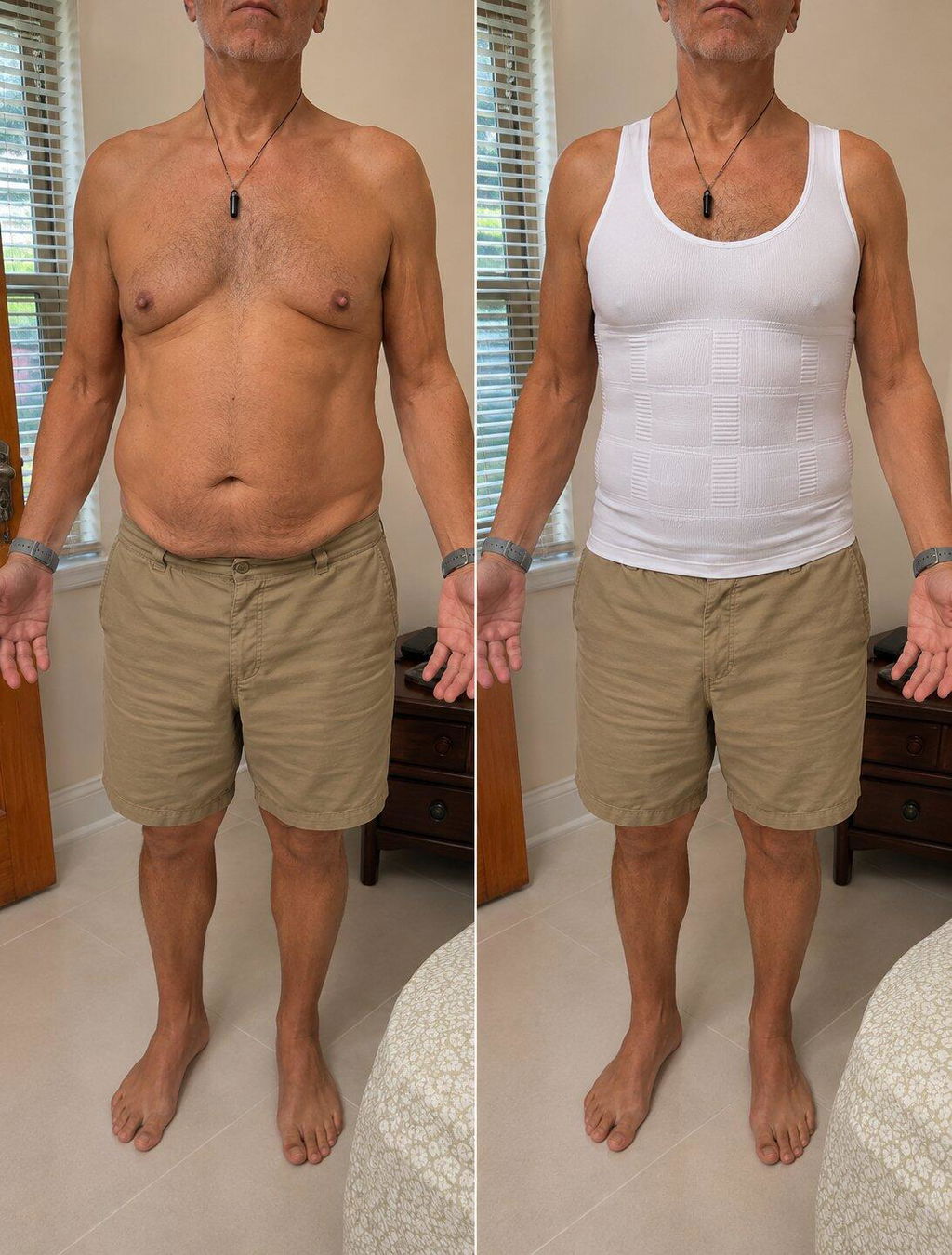
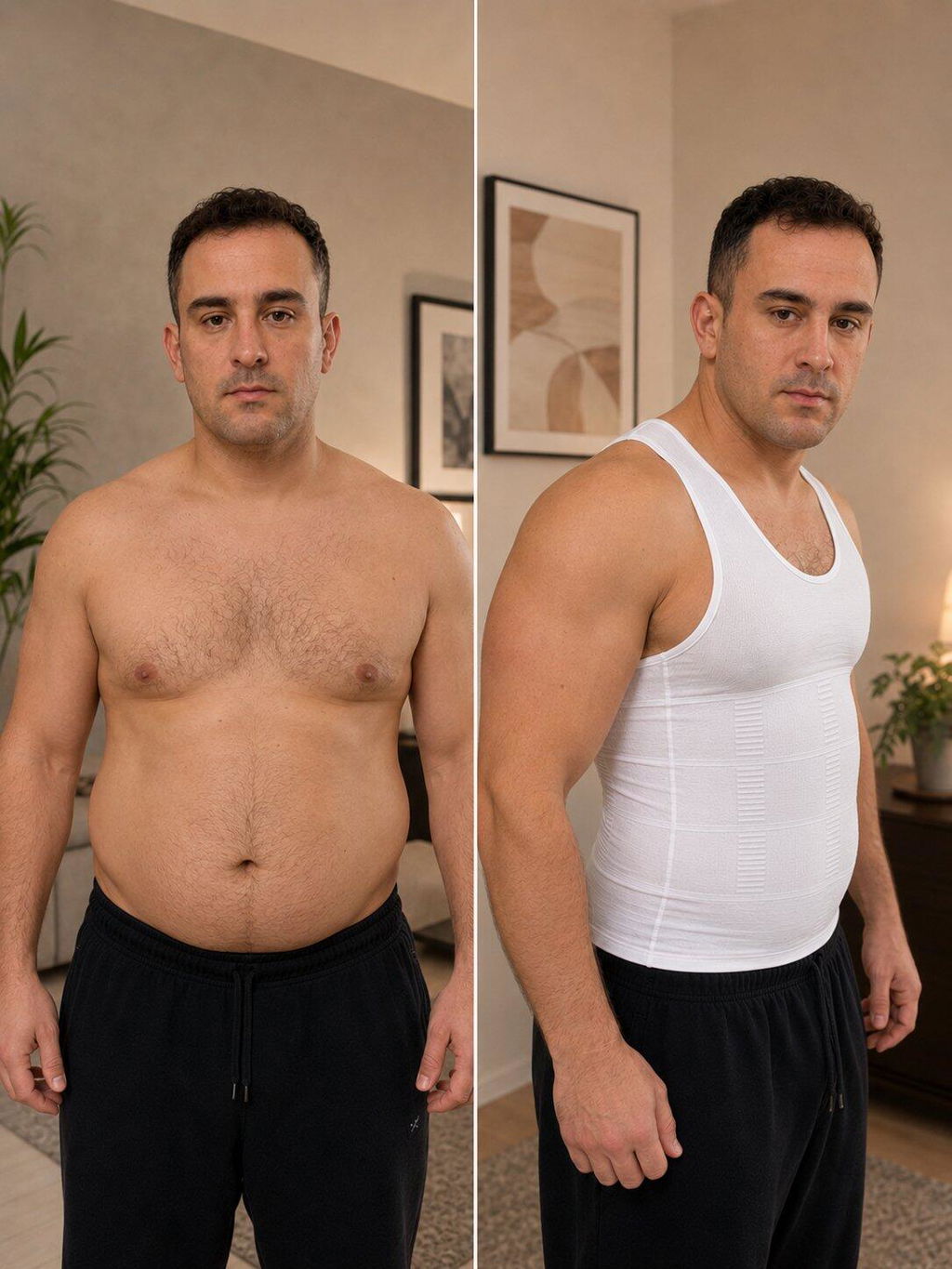
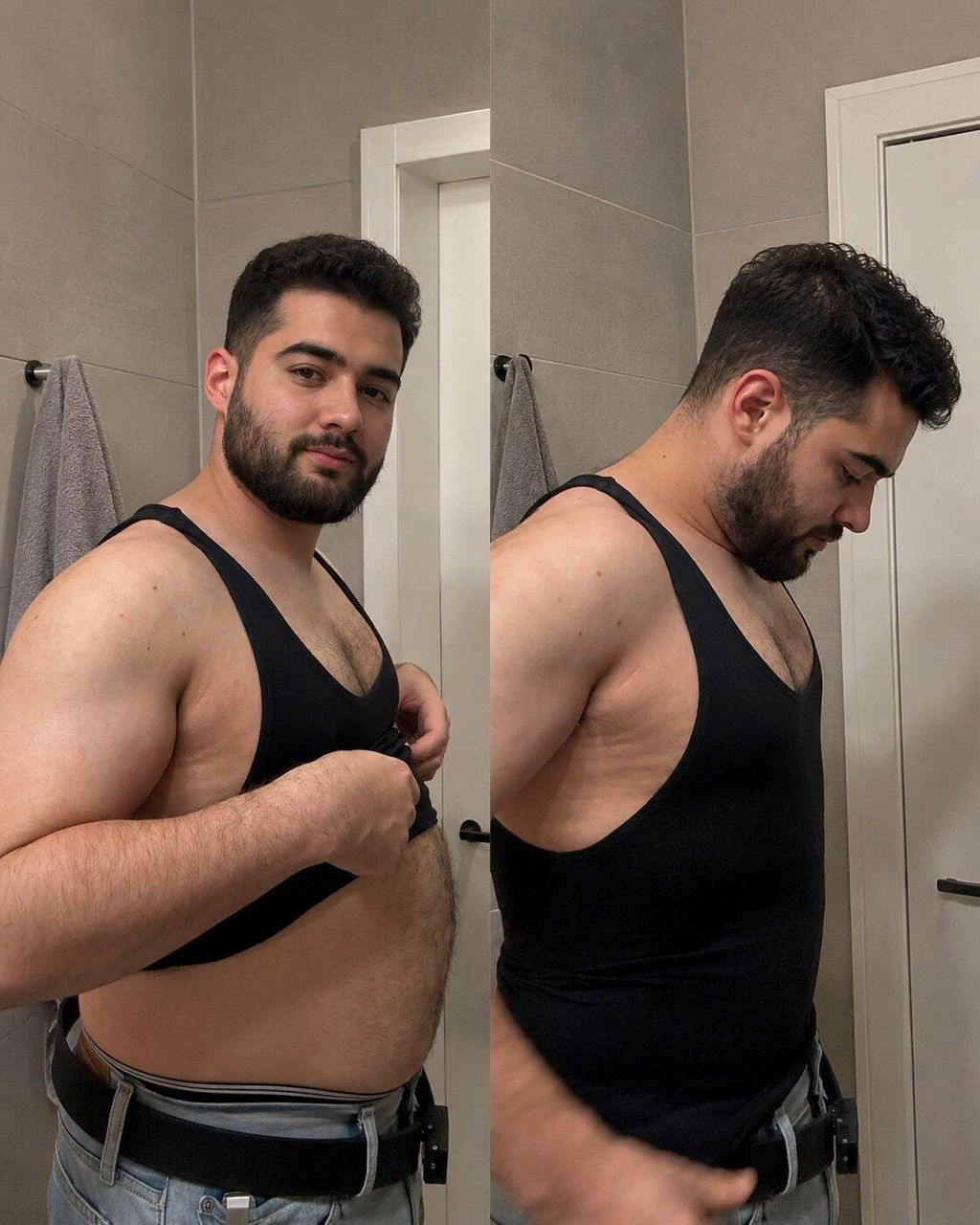
When you wear compression around your midsection, the fabric applies firm pressure around your core. If you have a softer belly, the compression helps flatten the appearance and creates a cleaner line under your clothes. If you have loose skin or soft chest tissue, compression can make the chest and torso look more controlled under a shirt. This happens immediately—not over weeks or months, but the moment you put it on.
The compression is constant as long as you're wearing it. Take it off, and your body returns to its normal appearance. The effect is temporary. The benefit is immediate. The duration is measured in hours, not permanent body change.
Here's what matters: the smoothing is visible when the garment is correctly sized and worn under the right clothing. When you wear a medium compression tank under a fitted shirt, people should not see the compression tank. They should see a cleaner, smoother version of your torso. That's the entire point. For the full breakdown of what men's shapewear actually is and how it's built, see our men's shapewear guide.

How Much Difference Can You Actually Expect?
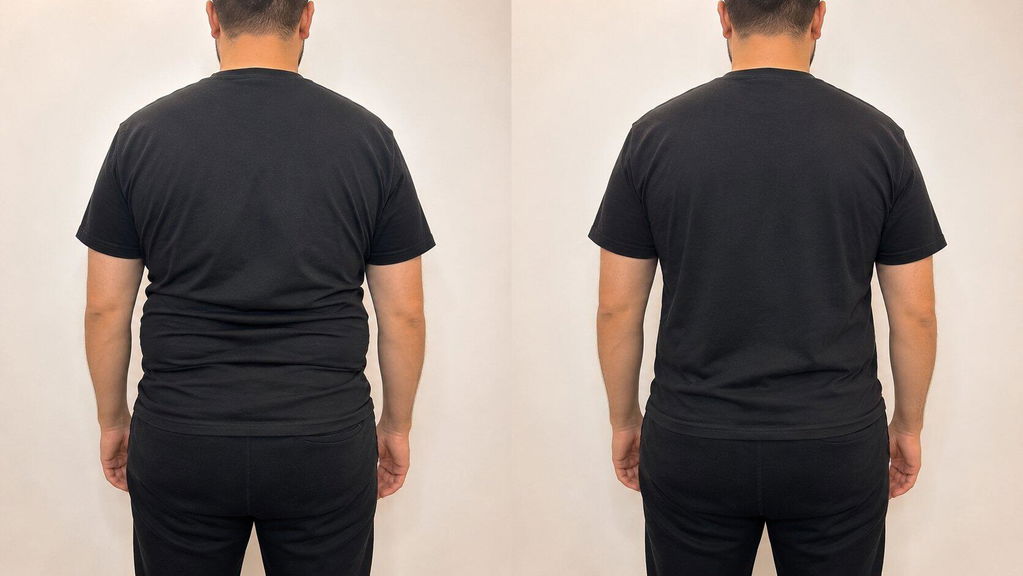
Most men see the clearest difference in three areas: the side profile, the lower stomach, and the chest area under fitted shirts. The result is usually not dramatic in a fake before-and-after way. It is a cleaner clothing fit.
Medium compression usually creates the best everyday balance: enough smoothing to make fitted shirts sit cleaner, but not so much pressure that it becomes difficult to wear for normal daily situations.
High compression can create a stronger flattening effect, but it is usually better for shorter wear periods, events, photos, or outfits where appearance matters more than all-day comfort.
The realistic expectation: men’s shapewear does not create a new body. It changes how your existing torso reads through clothing by reducing fabric pulling, smoothing soft areas, and creating a more controlled silhouette.
What Shapewear Absolutely Does NOT Do
Let's be clear about the limits so you don't buy this with unrealistic expectations.
It doesn't burn fat or change your body composition. Compression doesn't activate muscles. It doesn't increase metabolism. It doesn't create any physiological change that persists after you take it off. If you wear shapewear 5 days a week for a year without changing your diet or exercise, you'll have the exact same body. You'll just look better in clothes on those 5 days.
It doesn't replace the gym. Compression creates the appearance of a smoother midsection, but it doesn't build muscle. If your goal is to actually change your body—to gain muscle, lose fat, improve posture—you need training and nutrition. Shapewear is a tool that works alongside those efforts, not instead of them.
It doesn't work under loose clothing. This is crucial. Compression is almost irrelevant under baggy shirts and sweatshirts. It only matters under fitted or structured clothes where fabric normally reveals the torso shape. If you're exclusively wearing oversized tops, shapewear provides little visible benefit.
It's not a medical intervention. Compression garments used in medical settings work differently than appearance-focused compression clothing. Men's shapewear is designed for smoothing, support, and visual structure under clothing. Don't confuse it with medical compression.
It doesn't fix posture problems. Some shapewear claims to improve posture. The reality is more limited. Compression around your core won't retrain your posture or fix rounded shoulders. It might make you feel more pulled together, which can encourage better posture temporarily, but it's not fixing the underlying issue.
Who Shapewear Actually Helps (And Who It Won't)
This is where honesty matters. Shapewear works well for specific situations and specific body types. If you don't fit those categories, it might not be worth the money.
Who it helps the most:
- Men with a softer or rounder midsection who wear fitted or tailored clothing regularly. If you're wearing button-ups, fitted t-shirts, polos, or structured jackets, compression can make an immediate visible difference.
- Men who want appearance improvement without waiting months for body composition changes. You need results now, not in 4 months. Shapewear solves that specific clothing problem.
- Men with loose skin from weight loss or aging. Compression can firm the appearance and create a smoother line under clothes.
- Men with gynecomastia or soft chest appearance. Compression directly addresses this by helping the chest look flatter under shirts.
- Men who are generally healthy but want to optimize their appearance for specific events, dates, important meetings, photos, or everyday workwear.
Who it won't help much:
- Men who exclusively wear loose or oversized clothing. The smoothing effect is much less visible under baggy tops.
- Men expecting compression to solve extreme weight concerns. Shapewear can improve clothing fit, but it is not the primary solution for major body composition change.
- Men expecting shapewear to give them a six-pack appearance. It smooths what you have. It doesn't create definition that doesn't exist.
- Men who are unwilling to wear fitted or structured clothing over it. Shapewear only matters visually when the outer layer shows body shape.
The honest assessment: shapewear is for men who wear fitted clothes and want to look noticeably better in them without pretending their body changed. If that describes you, it works. If not, your money is probably better spent elsewhere.
See It For Yourself
The best way to know if shapewear works for you is to try it correctly sized. Most men who are disappointed either choose the wrong size, the wrong compression level, or a product built with weak fabric.
Explore Men’s Shapewear
The Gap Between Cheap and Premium Compression
Here's where a lot of men get burned: they buy $20 compression from a discount site and think, "This doesn't work."
The problem isn't compression. The problem is cheap compression.
Cheap compression is usually made with thinner, lower-quality fabric. It provides minimal structure, loses elasticity quickly, and often compresses unevenly. That creates bunching, rolling, visible lines, heat, and discomfort. The result: you buy it, try it once, and it sits in a drawer.
Premium compression uses better fabric recovery, better stretch, and more consistent pressure distribution. It should feel firm but wearable. It should be thin enough to stay discreet under clothing, but structured enough to actually smooth the torso. This is where a premium compression tank for men makes the difference.
The difference in price is small compared with the difference in experience. Cheap compression is a false economy if you never wear it. The right garment is the one you can actually wear repeatedly under real clothes.
Why Most Men Get Disappointed The First Time They Try Shapewear
Most negative shapewear experiences come from avoidable mistakes, not from the category itself.
- Buying the wrong size: too small feels restrictive, rolls, and creates discomfort. Too large does not compress enough to matter.
- Choosing too much compression for everyday wear: high compression can be useful, but medium compression is usually more realistic for daily use.
- Buying weak fabric: if the material stretches out quickly, the product stops doing its job.
- Expecting body transformation: the purpose is better clothing fit, not permanent physical change.
When the size, compression level, and clothing layer match your body type, the results are immediate and predictable: smoother shirt fit, cleaner torso shape, and less fabric pulling.
The Real Timeline: Day 1 Versus Month 1
Here's what actually happens with shapewear:
Day 1 (the first time you wear it): You put on your compression tank. You immediately notice a smoother appearance in the mirror. You put on a fitted shirt over it. The difference is clear—your midsection looks smoother and more controlled. Your confidence increases because the shirt fits closer to the way you want it to fit. That's the effect. It's immediate and noticeable.
Day 30 (after a month of regular wearing): You've worn compression 3–4 times a week. You haven't changed your diet or training. Your body composition is identical to day 1. But here's what has changed: you're used to how you look in compression. You notice the difference less because you've normalized it. The smoothing still works—it's just not novel anymore. The real gain by day 30 is psychological: you have proof that you can look more put together in the situations that matter.
Month 3–6 (if you've added training or nutrition changes): Now you see something different. If you've been training and eating better—not because shapewear changed your body, but because feeling more confident helped you take more action—you may start seeing real body composition changes. Shapewear can become a stepping stone, not a destination.
The honest timeline: immediate clothing improvement, sustained confidence from regular wear, and possible long-term benefits only if it motivates actual lifestyle changes.

The Verdict: Should You Buy It?
If you wear fitted clothing and want to look noticeably better in it without changing your body, shapewear works. Full stop. It's not magic, but it is effective for the right use case.
If you're expecting shapewear to replace training, nutrition, or give you a physique you don't actually have, don't buy it. You'll be disappointed.
If you're in the first camp and you buy quality compression instead of cheap knockoffs, you'll get what you're paying for. The effect is immediate, visible, and consistent while wearing it.
Cost-benefit: a compression tank that you wear repeatedly and that works every time you wear it can be strong value. You're paying for appearance optimization, better shirt fit, and confidence in clothing—not for a permanent body change. Judge it on that basis.
Ready To See The Difference Yourself?
Stop guessing whether shapewear works. The VEROSHAPE Compression Tank is built for men who want cleaner shirt fit, smoother torso appearance, and discreet confidence under everyday clothing.
See what realistic compression actually feels like.
Explore Men’s ShapewearFAQ: Common Shapewear Questions
Does men's shapewear actually work?
Yes. Men’s shapewear works by applying compression to the torso, which creates a smoother silhouette under clothing while you wear it. It does not change body composition, burn fat, or create permanent results.
Does shapewear show under clothes?
Not if it fits properly. Quality compression should be thin enough to stay discreet under fitted clothing. Visible lines usually come from poor sizing, thick fabric, bulky seams, or wearing the wrong outer shirt.
Can I wear shapewear to the gym?
You can, but it is usually not the best use case. Appearance-focused compression can feel warm or restrictive during training. For most men, it makes more sense before work, during social situations, or under fitted clothes—not during intense exercise.
How long can you wear compression?
Most men can wear light-to-medium compression for a normal day if the garment fits properly and feels comfortable. If you feel pain, numbness, breathing restriction, or strong discomfort, remove it and choose a better size or lower compression level.
Will compression make you sweat more?
Cheap compression can trap heat and moisture. Better compression fabrics are designed to feel more breathable and wearable under clothing. Fabric quality matters because comfort determines whether you actually wear the product.
Can shapewear be combined with fitness efforts?
Yes. Shapewear is appearance management, while fitness changes the body over time. They can work together, but they solve different problems. Compression helps clothing fit better today; training and nutrition change the body gradually.
Is men's shapewear worth it?
It is worth it if you regularly wear fitted shirts, polos, dress shirts, or structured outfits and want a cleaner silhouette. It is less useful if you only wear loose clothing or expect permanent body changes.
Want to dive deeper into the myths? Read the debunked myths here. For sizing, use the VEROSHAPE size guide.