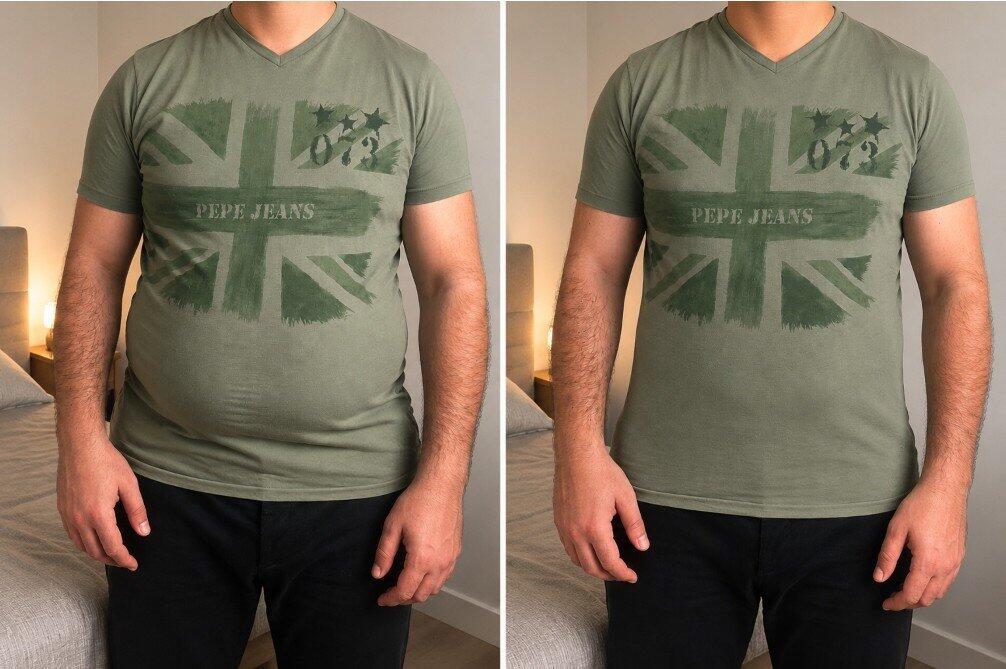
How To Get Rid Of Love Handles For Men
Most men notice love handles the same way. Not through a doctor's visit or a scale number. Through a shirt. A fitted t-shirt that used to hang straight now folds differently at the sides. A photo from a certain angle that stops you mid-scroll. A fitting room where a shirt feels almost right — except around the waist.
That is usually the real entry point. Not a health crisis. A wardrobe one. And the frustration builds quietly over months — not because the problem is dramatic, but because it shows up every single morning when you get dressed.
The honest frame: this guide is not a gym-bro plan or a promise to “melt” love handles fast. It is a realistic answer for men who want long-term change and cleaner shirt fit while that change takes time.
Getting rid of love handles for men requires a sustained caloric deficit over time — not targeted exercises, which cannot reduce fat in specific areas. For most men, the waistline is one of the last places to change visually during fat loss, with realistic timelines of 8 to 16 weeks of consistent habits. Many men also focus on clothing fit and compression layering while those longer-term changes develop.
Why Love Handles Are The Last Fat Men Lose
For most men, the waistline is one of the final areas to change during fat loss. That is not a personal failing or a sign that effort is not working. It is physiology.
Think of fat loss in reverse order. Your body tends to release fat last from wherever it stored it first. For most men, the midsection — specifically the lower waist and oblique area — is a primary fat storage site. Which means it often stays full while other areas visibly change. The scale may start moving within a few weeks of changing habits. The side waist can take months longer.
That gap between effort made and results visible in the mirror is where most of the frustration actually lives. A man can be doing everything right — eating better, moving more, sleeping consistently — and still feel like his shirts sit identically after six weeks of real effort.
We hear from men who start walking more, eating better, or training consistently, but still feel discouraged because their side profile looks almost unchanged after several weeks of real effort. Sound familiar.
This is why "stubborn love handles" appears so constantly on Reddit threads and Google searches. Men are not just asking how to lose weight. They are asking why this specific area refuses to respond when everything else seems to be improving.

Why The Waistline Holds On Longer
There is a real physiological explanation for why this area is harder to shift than most others.
Men have a higher concentration of fat-storing tissue in the oblique and lower torso region compared to most other parts of the body. With more of it concentrated in the midsection, that area simply holds on longer while fat releases elsewhere first.
Cortisol plays a significant role here. Research consistently links elevated stress hormone levels — driven by poor sleep, ongoing pressure, or irregular eating — to preferential fat accumulation in the abdominal region. Men under sustained stress tend to carry more midsection fat even at lower overall body weights, a pattern observed across multiple studies on stress and body composition.
Genetics also shape part of the picture. Some men naturally route fat toward the waistline at a higher rate than others. That does not make the area permanently resistant to change. It makes the honest timeline longer than most online guides are willing to admit.
What Actually Works — And The Real Timeline
The uncomfortable answer is that there is no targeted fix for love handles. Spot reduction — the idea that exercising a specific area removes fat above it — is not supported by evidence. Oblique exercises strengthen the muscles underneath love handles. They do not remove the fat sitting on top of them.
What actually moves the needle is a combination of eating consistently below what you need, consistent physical movement, and enough time for the process to work. Not crash dieting, which disrupts hormonal balance and can actively work against midsection fat release. Sustainable nutrition habits maintained over weeks — not a dramatic overhaul. More walking than you currently do, which is heavily underrated for men carrying most of their frustration around the waistline. Resistance training that builds overall muscle and improves resting metabolic rate. And better sleep quality, which directly influences stress hormone levels and fat mobilization overnight.
The realistic timeline most men should expect: 8 to 16 weeks of genuinely consistent habits before visible side waist change appears. Some men see results earlier. Others — particularly those with higher fat cell density in the midsection, elevated baseline stress, or a genetic predisposition toward central fat storage — find this area changes last of all, even well after other areas have visibly improved.
That is a long stretch of getting dressed every morning while waiting for the mirror to catch up.

The Daily Problem Most Guides Never Address
Here is what almost every fitness guide on this subject skips entirely.
Long-term body composition changes take time. But daily life does not pause for them. Work happens every week. Dinners get planned. Events come up. Photos get taken. Most men dealing with love handles still need to get dressed every single morning — for months — before the waistline actually looks or feels different in the mirror.
We hear from men who are actively making real progress — eating better, moving more — but who still spend a few extra minutes before leaving the house adjusting their shirt around the waist, avoiding fitted polos, or defaulting to oversized layers that end up adding visual bulk to the torso instead of reducing it.
The frustration is not just physical. It is the daily negotiation between how you want clothing to sit and how it currently behaves around the sides. That gap between the changes being made and the results visible in the mirror is where confidence takes its biggest hit.
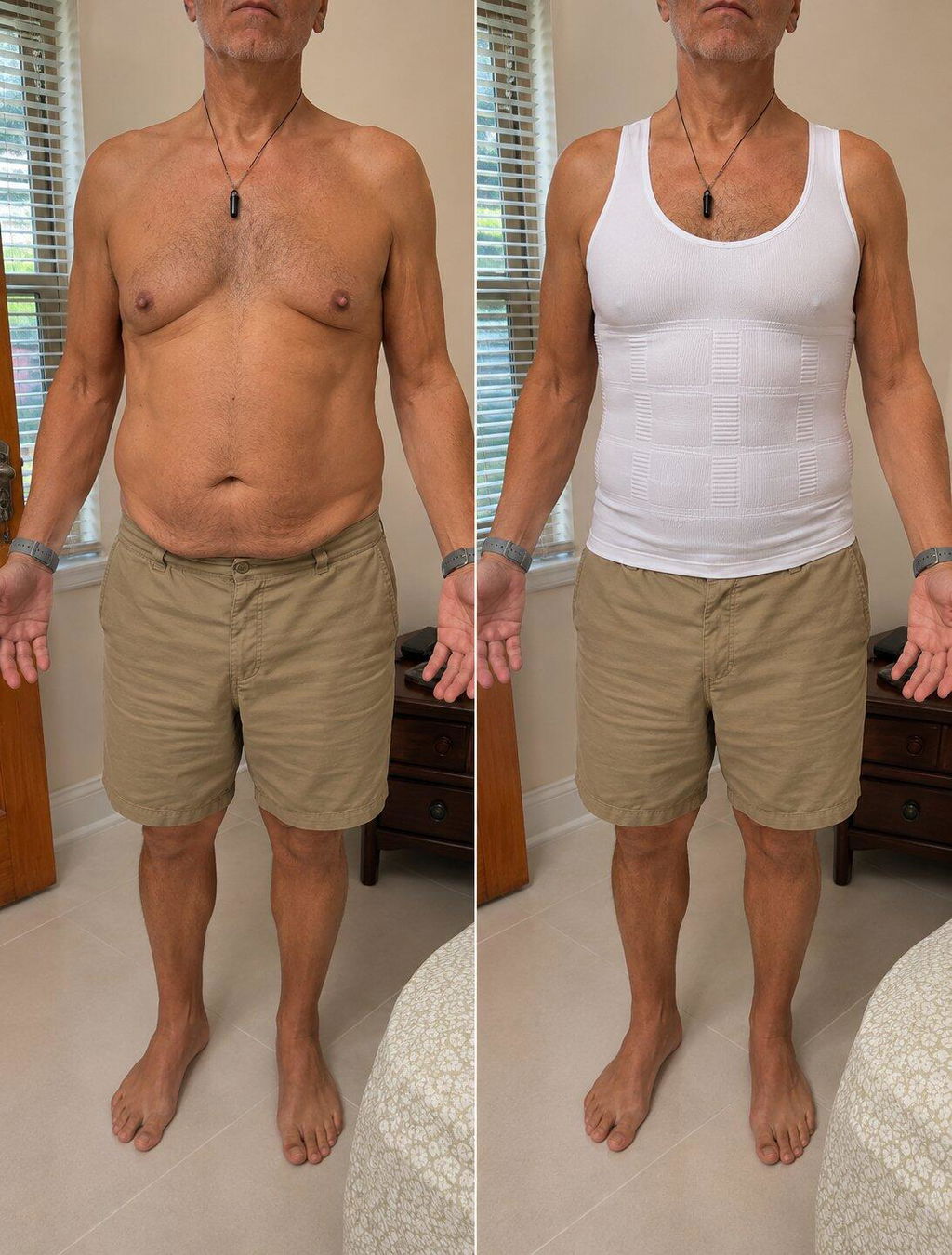
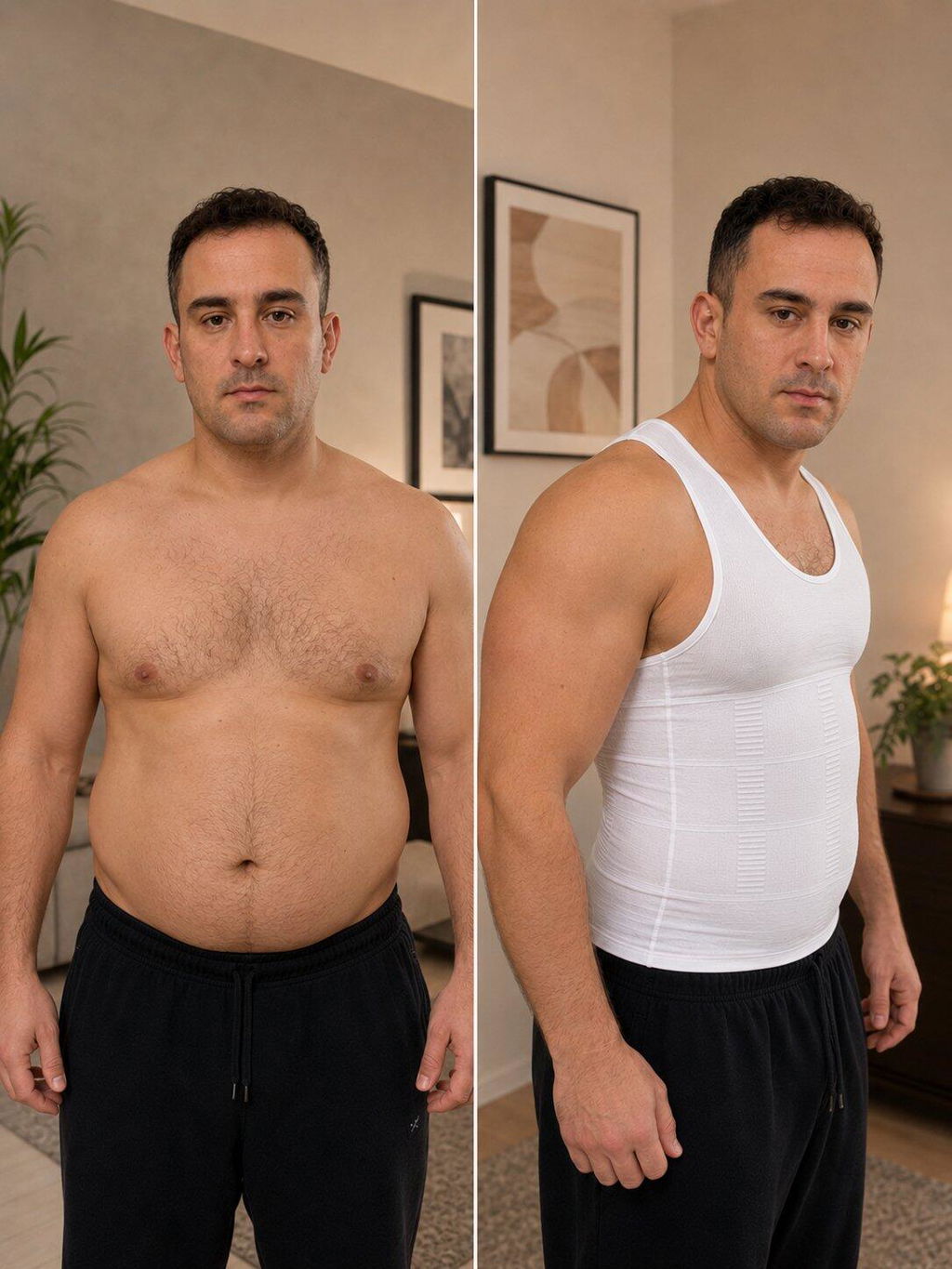
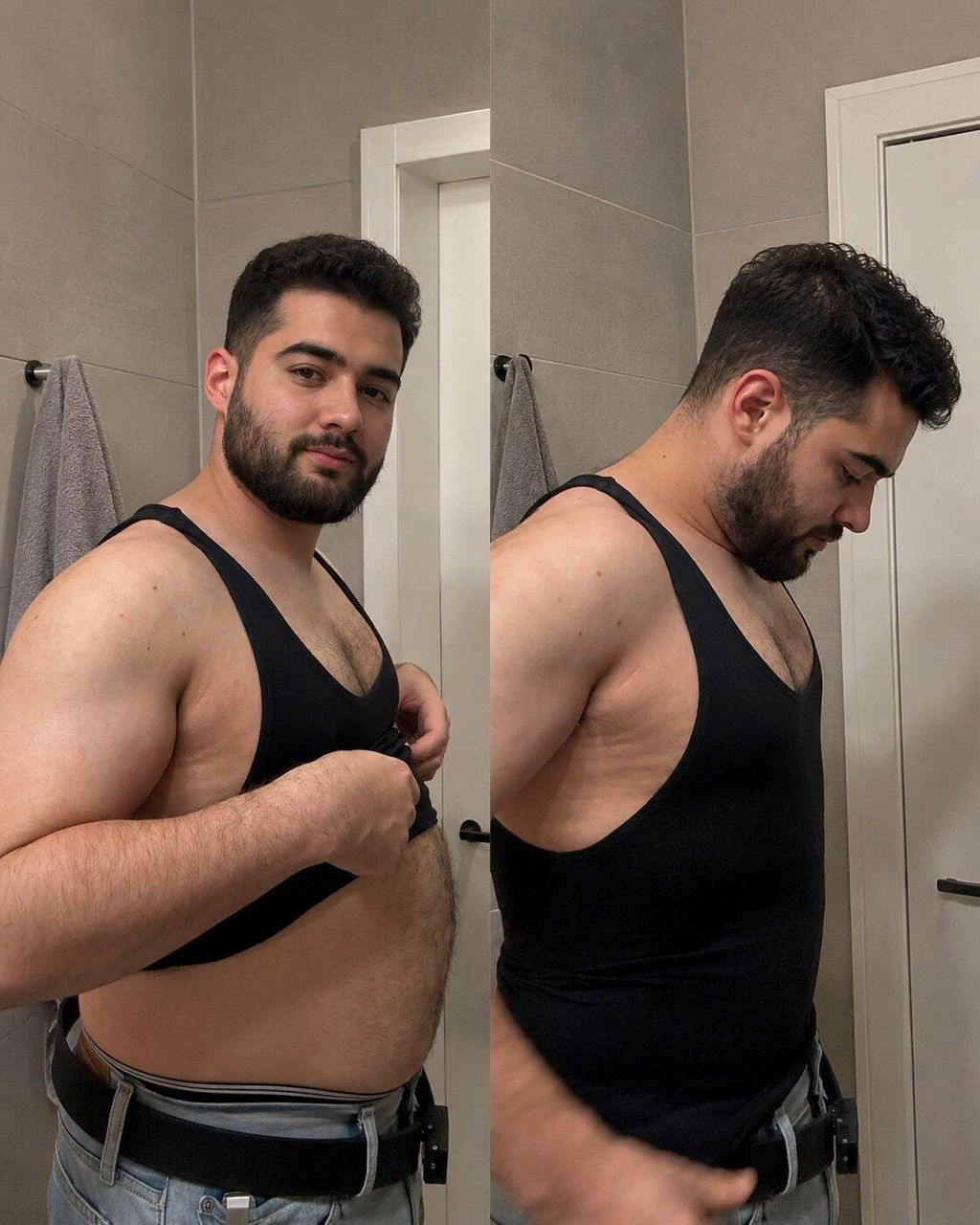
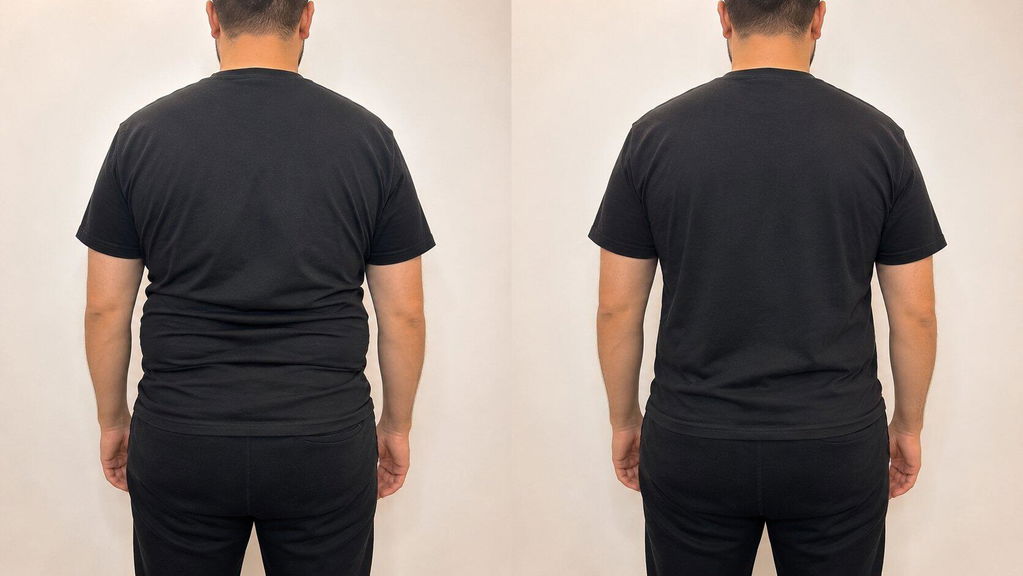
This is where clothing becomes part of the solution — not instead of body changes, but alongside them. Many men find that wearing a fitted compression base layer under any shirt removes the visible side ridge entirely without changing anything else about the outfit. Not a transformation product. Not a medical device. A cleaner silhouette under the clothes already being worn. The key is finding one that stays in position through a full day, does not roll at the hem, and is not so aggressive it becomes uncomfortable after a few hours at a desk.
For a full breakdown of clothing mechanics — which shirt fabrics, cuts, and layering approaches consistently work best — our guide on how to hide love handles under a shirt covers the practical detail that most style guides miss. And if you want to understand why certain shirts make love handles more visible regardless of what is worn underneath, the explanation is in our guide on why love handles show under shirts.
Need the shirt to sit cleaner before the waistline changes?
A compression tank for love handles is the practical middle step: it does not replace fat loss, but it can smooth the side waist under shirts while the longer process happens.
Cleaner Shirts While The Process Takes Time
VEROSHAPE works like a discreet shaper tank top for men: smoothing the side waist under everyday shirts while long-term body changes happen gradually.
Shop The Compression TankWhat To Wear While Your Waistline Is Changing
The first instinct for most men is to go bigger. Oversized shirts, looser fits, layers that cover everything. Almost always the wrong move.
Do not hide the waist by making the whole torso bigger. Create cleaner drape: structured shirt, balanced fit, smoother base layer.
Oversized clothing adds visual weight to the torso rather than reducing it. The extra fabric folds and sits around the waistline in ways that draw attention toward the area instead of away from it. The overall silhouette becomes wider, not narrower.
Medium-weight fabrics with enough structure to drape cleanly — without conforming tightly to every contour — consistently perform better. Straight-fit cuts over slim-fit: slim-fit shirts are designed for men with already-tapered silhouettes, and on any midsection softness they create side tension that reads clearly under any lighting. A structured overshirt, lightweight jacket, or shirt jacket worn open creates a vertical line down the torso that lengthens the body visually and reduces the perceived width at the sides. Dark, solid neutrals not for any mystical slimming effect, but because texture and pattern variation draws the eye toward the midsection while clean solids do not.
Underneath all of it, a well-fitted compression base layer. Not for transformation — for drape. A quality compression tank smooths the transition between the midsection and the shirt fabric above it, eliminating the visible side ridge without requiring any change to the rest of the outfit. See the complete approach at VEROSHAPE men's compression and shapewear to understand how compression layering works in practice across different shirt types.

Can Slim Men Still Have Love Handles?
Yes — and this is one of the most misunderstood parts of this conversation.
Love handles are not exclusive to men who are overweight. A significant number of men with otherwise lean builds carry most of their body fat around the obliques and lower waist, while maintaining slim arms, chest, and legs. This is sometimes described as "skinny fat" — an overall average appearance, but with midsection softness that shows clearly under fitted shirts.
That creates a specific kind of confusion. The man does not feel overweight. Does not look overweight from the front. But still avoids certain shirts and is quietly self-conscious about his side profile in photos and certain lighting.
The solution is the same: sustained caloric management, consistent movement, gradual improvement in overall body composition over time. It just feels more disorienting because the usual signals that prompt lifestyle changes — visible weight gain, fitting room moments, scale numbers — are not clearly present. The real target is body composition shift, not necessarily weight loss in the conventional sense.
For this specific body type, clothing choice matters differently as well. The contrast between a lean upper body and softer sides can make love handles more prominent in very fitted cuts than they would be on a man carrying weight more evenly. Balanced, straight cuts tend to work significantly better than slim-fit cuts for this particular build.

Consistency Over Perfection — The Mindset That Actually Works
Getting rid of love handles takes longer than most guides suggest. The waistline is genuinely one of the most stubborn areas for men to change — and the frustration is real when sustained effort is being made but the mirror has not caught up yet.
The men who eventually get there rarely do it through extreme programs or dramatic overhauls. They do it through sustainable habits maintained long enough for the biology to respond. Eating consistently. Moving more. Sleeping better. Enough patience to let the process work without abandoning it at week three because the sides look identical.
And while that is happening — while the body changes at its own pace — there is no reason to spend every morning frustrated by how shirts sit. Most men are not chasing a transformation. They simply want shirts to drape cleanly, feel comfortable in everyday situations, and stop thinking about their waistline every time a photo gets taken.
That is a completely reasonable thing to want. And it is available on both timelines — long-term through body changes, and immediately through fit.
FAQ: How To Get Rid Of Love Handles For Men
Why are love handles so hard to get rid of for men?
Love handles are typically one of the last areas where men lose fat because the male body tends to store fat in the midsection first — and release it there last. The oblique and lower waist region holds more fat-storing tissue than most other areas, making it more resistant to change even when overall energy balance improves. Elevated stress levels from poor sleep or chronic pressure also specifically promote fat accumulation in the abdominal region, which means lifestyle factors beyond diet and exercise can actively slow progress here even when other areas are visibly improving.
Are love handles genetic in men?
Genetics play a partial role in how and where men store body fat. Some men are naturally predisposed to carry more fat in the lower torso and oblique area, even at a healthy weight. However, genetics determine tendency — not permanent outcome. Eating consistently and moving regularly can reduce love handles regardless of genetic background, though men with a stronger predisposition toward central fat storage may simply need a longer timeline than others before seeing visible change in that specific area.
How long does it realistically take to lose love handles for men?
For most men, visible reduction in love handle size takes between 8 and 16 weeks of genuinely consistent habits — overall energy balance managed consistently, regular movement, and adequate sleep. This timeline varies based on starting body fat percentage, genetics, stress levels, and how sustainable the lifestyle changes are. The midsection is typically the last area to change visually in men, which means progress is often felt in other parts of the body first. Expecting results in two to three weeks usually leads to abandoning the process before the biology has had time to respond.
Can you target love handles with specific exercises?
No. Spot reduction — reducing fat in a specific body area through targeted exercises — is not supported by research. Oblique exercises and core work strengthen the muscles underneath love handles, which has real value for posture and functional strength. But they do not preferentially burn the fat sitting above those muscles. Fat is released from the body systemically in response to a caloric deficit, not locally in response to targeted movement. The most effective exercise strategy is full-body movement — resistance training and consistent walking — combined with sustainable caloric management over time.
Can slim men still have love handles?
Yes, and this is more common than most people realize. Some men carry the majority of their body fat around the obliques and lower waist while maintaining lean arms, chest, and legs — a pattern sometimes called skinny fat. These men may appear average or even slim overall, but still deal with visible midsection softness under fitted shirts. The approach is the same: improving overall body composition through caloric management and movement, with clothing strategy used in parallel during the process.
Do compression shirts actually help with love handles?
Yes, for immediate visual improvement under clothing. A well-fitted compression shirt or tank smooths the midsection profile and significantly reduces the visible ridge at the sides of the waist under any shirt. This is not a fat-loss solution — it does not change the underlying tissue. But as a daily wearable tool, it removes the clothing frustration that tends to compound the psychological difficulty of the longer-term process. The most important factors are that the garment stays in place through a full day, uses a compression level that is firm but not restrictive, and remains invisible under fitted shirts.
The Compression Layer Built For Real Shirts
VEROSHAPE smooths the side waist under fitted clothing — discreetly, comfortably, and without changing your outfit. Designed for everyday men, not fitness models.
Shop The Compression TankThis article was written by Mike Sterling, founder of VEROSHAPE. Mike built the brand after years of frustration with compression products that looked promising online but failed in everyday wear — rolling at the waist, showing under shirts, or feeling too uncomfortable to use consistently.