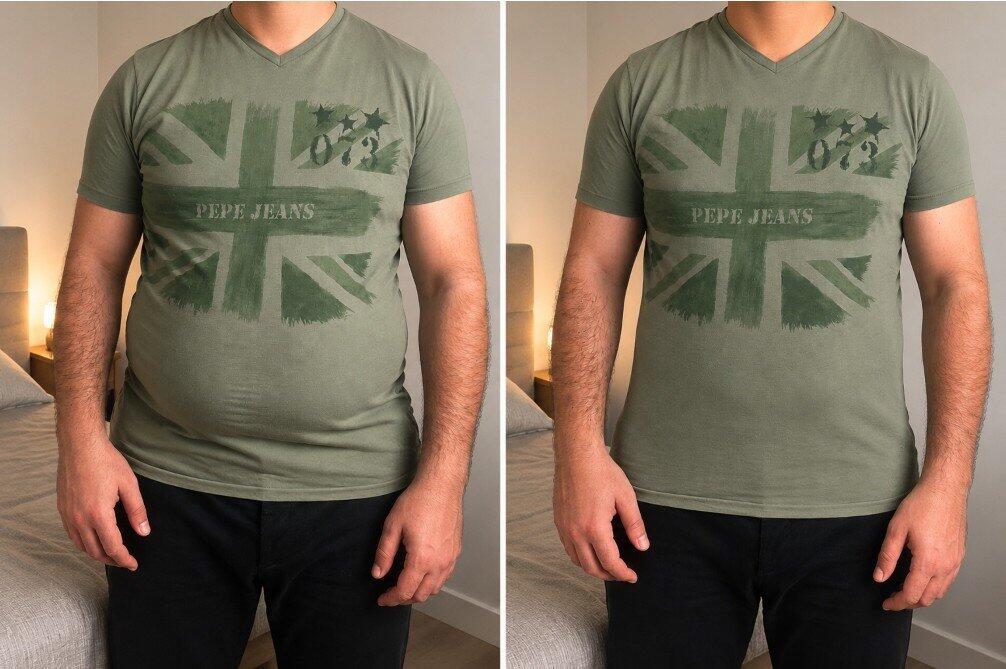
How To Look Sharper In Fitted Shirts Without Going To The Gym
You can look sharper in fitted shirts without waiting months for gym results. The fastest path is not oversized clothing or fake transformation claims — it is a cleaner system: compression underneath, better shirt fit on top, and styling choices that help your torso look more structured today.
Most men think the only way to look better in fitted shirts is to change their body first. Long-term fitness matters, but it is not the only lever. Clothing fit, fabric structure, and hidden compression layers can change how your body appears under a shirt immediately.
The goal is not to look like someone else. The goal is simple: reduce visible shirt pulling, create a cleaner torso line, and make fitted clothing feel more intentional instead of risky.
Quick Answer: How Do You Look Sharper In Fitted Shirts?
If your shirt currently pulls at the stomach, clings at the chest, or loses shape during the day, the issue is not always your body. Often, it is the way the shirt interacts with your torso. A fitted shirt needs a stable surface underneath. That is where compression becomes useful.
Strategy #1: Compression Creates A Cleaner Foundation
How compression creates sharpness
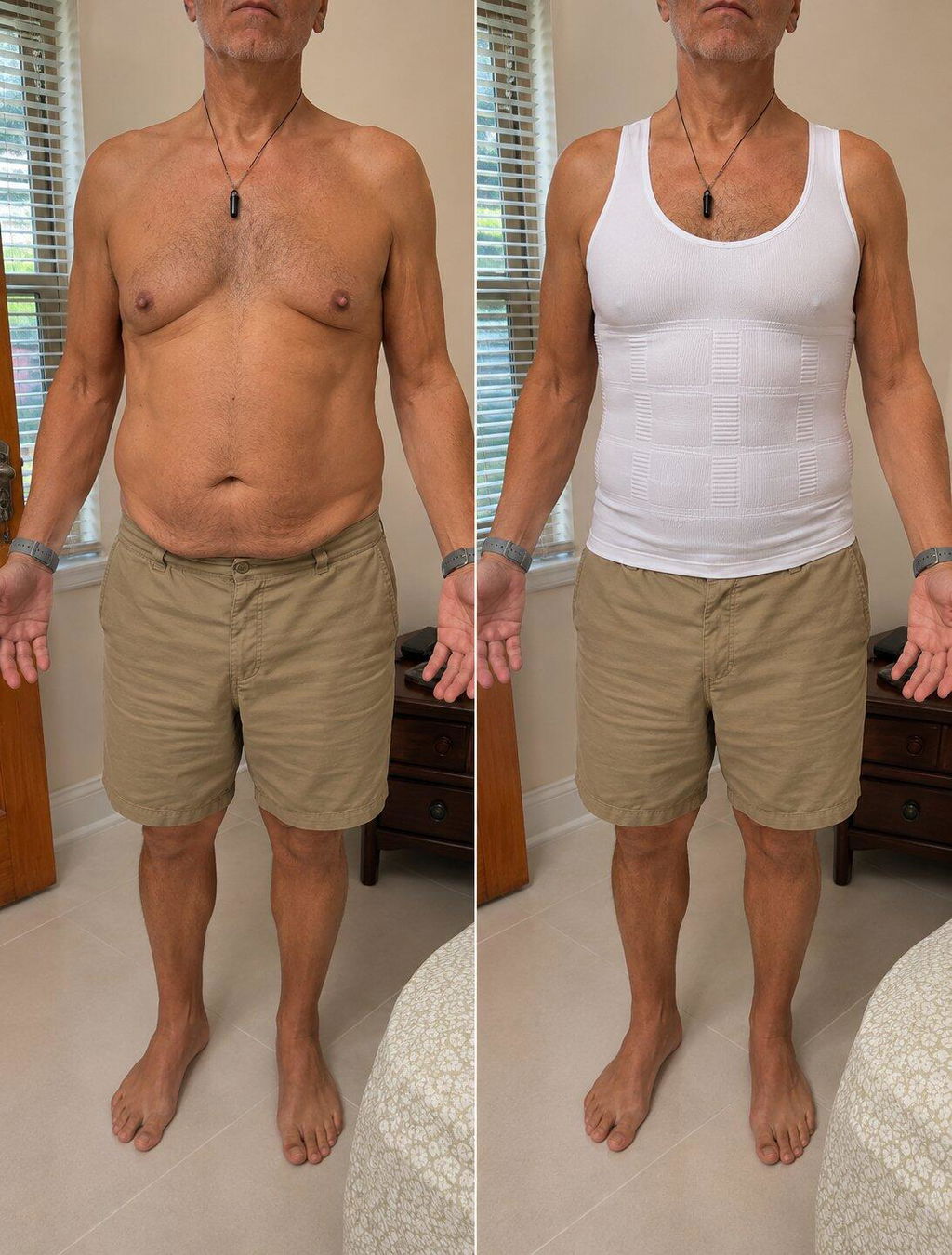
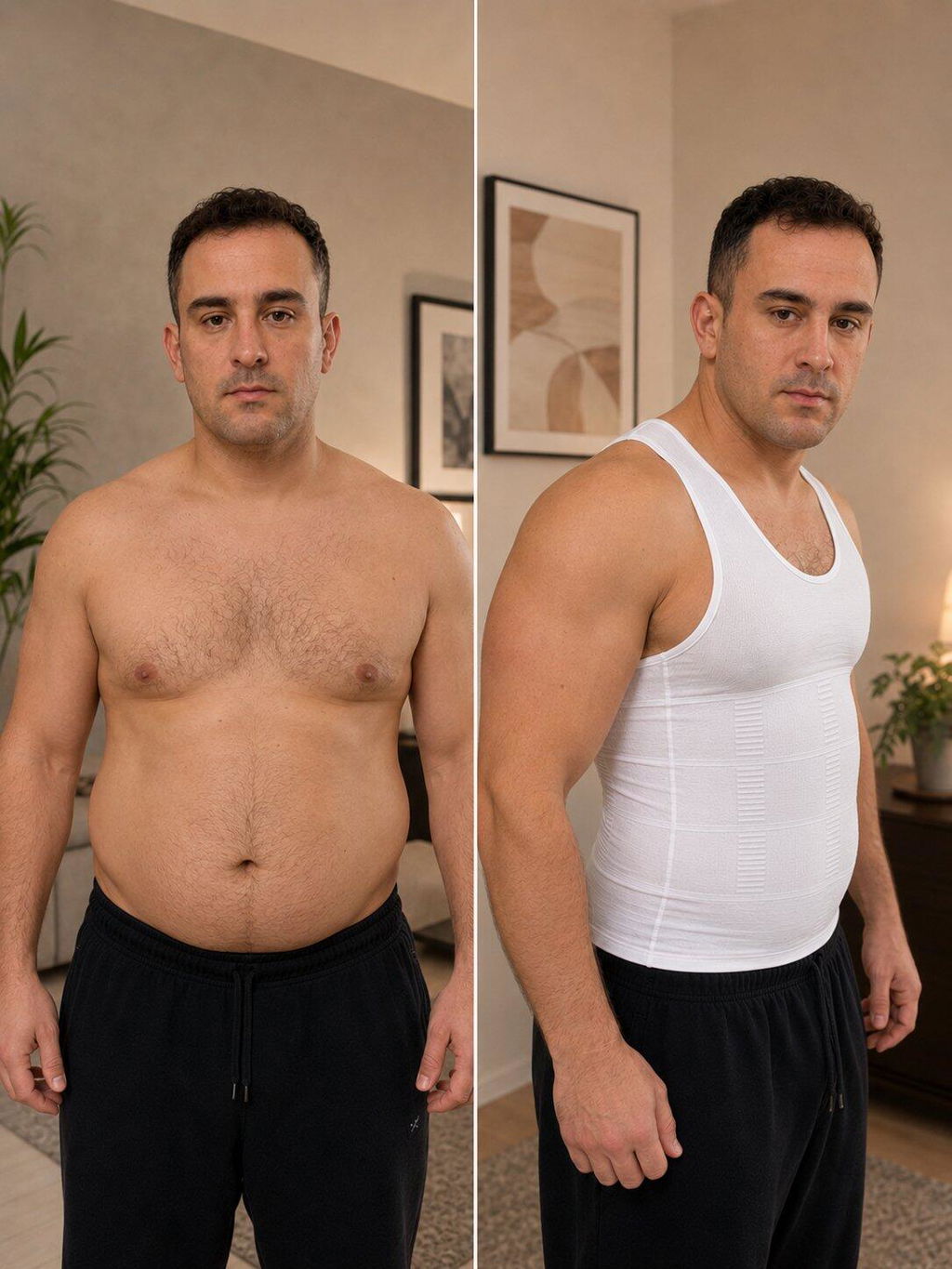
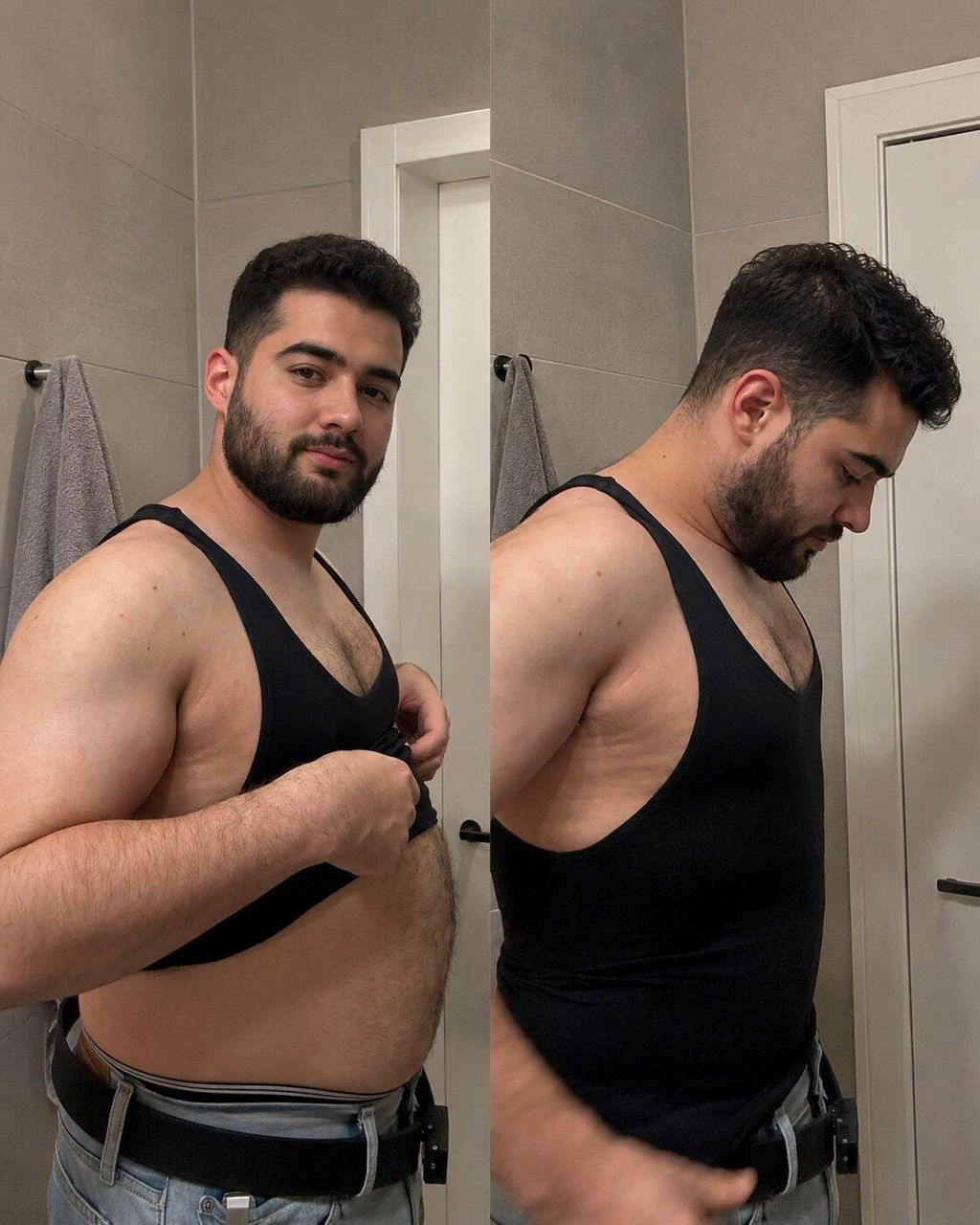
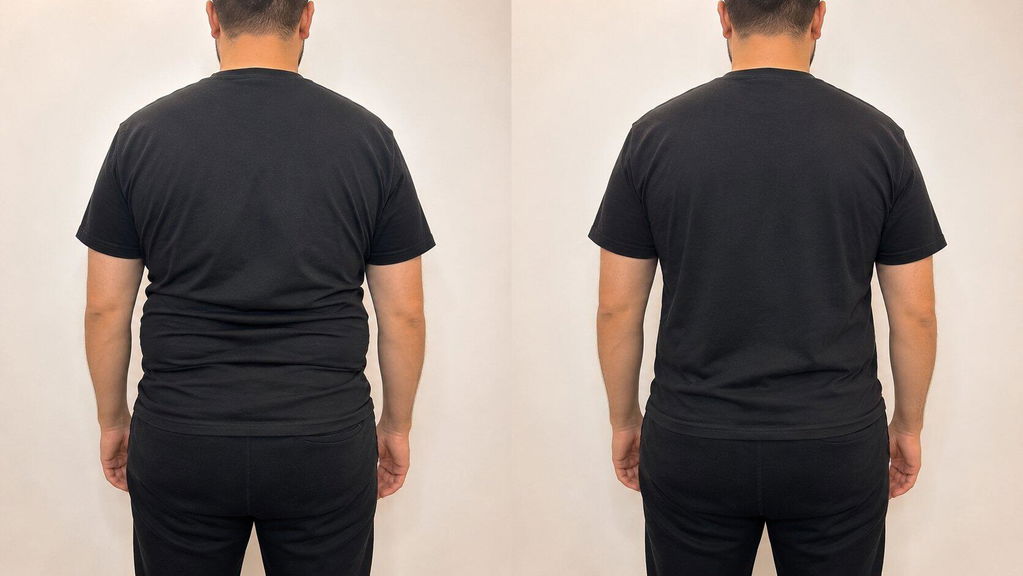
A compression tank under your fitted shirt helps smooth the chest, stomach, and side profile. It does not change your body permanently. It changes how your torso reads through clothing while you wear it.
Instead of fabric catching on soft areas or pulling forward at the stomach, the shirt rests over a more controlled surface. That is what creates the sharper look: less shirt tension, less visible softness, and a cleaner vertical line from chest to waist.
Who benefits most from this strategy?
Compression works best for men who already wear fitted shirts but feel their torso shape prevents the shirt from sitting cleanly.
It is especially useful if your shirt pulls slightly at the stomach, shows soft chest movement through fabric, or loses structure during the day. Instead of changing your body first, compression changes how the shirt interacts with your body immediately.
Compression + fitted shirt = sharper appearance
- Compression smooths: the chest, stomach, and sides look more controlled under clothing.
- Fitted shirt reveals structure: the outer shirt shows the cleaner silhouette instead of hiding everything.
- Together: the outfit looks more polished, intentional, and put together.
With compression + fitted shirt: cleaner, sharper, and more intentional without looking forced.
Strategy #2: Shirt Fit Is The Foundation
Most men wear shirts that are too big
An oversized shirt hides the body, but it also hides structure. It can make the torso look wider, less intentional, and less polished. A properly fitted shirt, even without compression, usually looks sharper immediately.
The key is not choosing a shirt that is tight. The key is choosing one that follows your frame without pulling, bunching, or creating tension lines.
Proper fitted shirt measurements
- Shoulder seams: land at the edge of your shoulder, not hanging down the arm.
- Chest: close enough to follow your frame, not tight enough to pull at buttons.
- Waist: slight taper, not tent-like and not skin-tight.
- Sleeve length: ends around the wrist bone when arms rest at your sides.
- Torso length: reaches the hip area without hanging too low.
Shirt fit formula for sharpness
Start with a compression tank, then add a fitted shirt that follows your frame. The compression handles silhouette control. The shirt shows the cleaner shape. If you have a bigger build specifically, our style guide for bigger men covers fit rules tailored to larger frames.

Strategy #3: Styling Tricks For Maximum Sharpness
Color strategy
Darker colors such as navy, charcoal, deep green, and black tend to look more structured because they reduce shadow contrast across the torso. Light colors can still work, but they reveal more fabric movement and shape underneath.
Pattern strategy
- Vertical stripes: create a longer visual line and can make the torso read cleaner.
- Subtle texture: adds depth without adding bulk.
- Horizontal stripes: often emphasize width and are harder to wear in fitted shirts.
- Very busy patterns: can distract from fit and make the outfit look less clean.
Layering strategy
A structured blazer, overshirt, or light jacket over a fitted shirt adds vertical lines and shape around the torso. This helps the shirt look more intentional while giving the midsection more visual structure.
Fabric choice
Heavier fabrics such as oxford cloth, cotton twill, and structured blends usually hold shape better than thin jersey or lightweight linen. Structured fabrics drape cleaner and resist clinging.

The Complete Sharp Look Formula
Step 1: Foundation
Use a compression tank that feels firm but wearable. Medium compression is usually best for daily wear. Stronger compression may be better for short periods, events, photos, or outfits where maximum structure matters.
Step 2: Shirt
Choose a fitted shirt in a structured fabric. Navy, charcoal, white oxford, and mid-blue dress shirts are safe starting points. Avoid anything so thin that it clings to every movement underneath.
Step 3: Optional amplifier
Add a structured blazer, overshirt, or jacket when you want more visual definition. This creates vertical lines and makes the outfit feel more complete.
Result
A sharper, more polished appearance that works immediately. Not a fake body transformation — just a better system for how your clothes sit.
Real Timeline: When You Will See Results
- Day 1: compression plus a fitted shirt creates a cleaner silhouette immediately.
- Week 1: you learn which shirts work best over compression.
- Month 1: fitted shirts feel easier to wear because you understand the system.
- Month 3+: compression becomes one option in your wardrobe, not something you have to think about every time.
Compare that to the gym timeline: real body change can take months. Compression and fit solve a different problem. They improve how clothing looks today while fitness works over time.

The Outfit Formula: Making Fitted Shirts Work For Your Body
Looking sharp in a fitted shirt is not about finding one perfect shirt. It is about a system. The men who consistently look put together in fitted clothing understand that silhouette, proportion, and layering work together. Miss one element and the whole look can fall apart.
The silhouette foundation
Before you choose a shirt, ask what the silhouette underneath looks like. A fitted shirt is essentially a display for what is beneath it. A well-fitting compression base layer gives the shirt a cleaner canvas to work with — less bunching at the sides, less soft belly movement visible through the fabric, and fewer chest definition issues.
Proportion rules for different body shapes
Men with broader chests and narrower waists can often wear slimmer shirts because their natural proportions create structure. Men with more even chest-to-waist measurements usually benefit from a subtle taper cut. Men with wider midsections often look better in shirts that skim the body without being tight, especially when worn over compression.
Shirt Fabrics That Work For More Body Types
Fabric choice is where many men lose the result. The right fabric drapes correctly and resists the movement patterns that make a shirt look sloppy by the afternoon. The wrong fabric clings, bunches, and reveals everything through the weave.
Woven vs. knit
Woven fabrics such as oxford cloth, poplin, and classic dress shirt fabric have structure. They hold their own shape and tend to look more polished. Knit fabrics such as polos and jersey shirts conform more closely to the body, which means they show the silhouette underneath more directly.
Weight matters
Slightly heavier fabric usually hangs with more authority and resists movement better. In fitted shirt territory, a little more structure often looks better because the fabric appears intentional instead of clingy.
What Breaks The Look And How To Fix It
The most common reason a fitted shirt makes a man look worse rather than better is not the cut. It is the small details that have not been addressed.
The untucked waistband problem
When a fitted shirt is tucked in and the hem rides above the waistband during the day, the outfit starts to look messy. Either commit to an untucked shirt designed for that look, or use a shirt that stays tucked cleanly.
Collar gap
A collar that gaps at the back or lifts away from the placket reads as poor fit even if the body fits well. The collar should sit cleanly around the neck without looking tight.
Sleeve length
A shirt with the right body fit but wrong sleeve length looks off. For dress shirts, a small amount of cuff should show under a jacket. For casual shirts, the sleeve should end near the wrist bone when your arms are at your sides.
Before leaving the house in a fitted shirt, do one full rotation in front of a mirror with your arms relaxed, then raised. Any bunching, pulling, or showing-through becomes visible immediately. Catching it at home takes 10 seconds. Noticing it at work takes the whole day.
Ready To See Real Results?
VEROSHAPE compression is built for men who want a cleaner silhouette under real clothes — not exaggerated transformation claims.
Shop the Compression TankThe Layering Principle That Changes How Fitted Shirts Work
The reason many men struggle with fitted shirts has less to do with their body and more to do with how fitted shirts are engineered. A fitted shirt is designed to perform with a relatively clean line from chest to waist. When the torso does not match that assumption, the shirt compensates visibly: pulling at buttons, creating horizontal tension lines, or bunching at the sides.
The professional solution is the structural layer. You do not need to wear a fitted shirt against bare skin or a thin undershirt. You can wear it over a compression layer that manages the torso profile so the shirt can sit more cleanly.
This works because compression does not just reduce projection. It creates a consistent surface for the outer shirt to drape against. The chest sits more smoothly. The stomach does not push the fabric forward as much. The sides look cleaner. The shirt performs closer to how it was designed.
The practical difference becomes obvious during a full day. Without a compression base layer, a fitted shirt may shift and need constant adjustment. With the right compression base layer, the shirt tends to stay cleaner because it rests against a more stable surface.
This is the insight that converts skeptics faster than any explanation: try wearing your fitted shirt with a compression undershirt for one full day and pay attention to how often you think about the shirt. For many men, the answer is: far less than usual.

FAQ: Sharpness Without The Gym
Compression can make your torso look smoother under clothing, but compression plus a properly fitted shirt is the stronger formula. Compression under an oversized shirt may feel supportive, but the outer shirt can still look baggy.
The sharper look lasts as long as you are wearing the compression layer and the shirt fits correctly. Remove the compression and your body returns to its normal appearance.
No. It is a practical clothing tool. Men already use tailoring, structured jackets, grooming, and better fabrics to improve appearance. Compression is another discreet layer in that same system.
Yes. Compression helps with immediate appearance under clothing. Fitness changes the body over time. They solve different problems and can work together.
Navy, charcoal, black, and darker neutrals usually create a cleaner silhouette because they reduce shadow contrast across the torso. Light shirts can still work, but they reveal more shape and fabric movement.
Yes. A compression tank can help dress shirts sit cleaner across the stomach, chest, and sides by giving the outer shirt a smoother base layer underneath.
Related Resources
Look Sharp Starting Today
You do not have to wait months to make fitted shirts work better. Start with the hidden layer, then let the shirt do its job.
Shop the Compression TankSources & References
- General menswear tailoring principles related to shoulder fit, sleeve length, shirt taper, and fabric drape.
- Textile and apparel construction research on fabric weight, stretch, structure, and garment fit.
- Consumer apparel fit research related to clothing confidence, perceived polish, and silhouette management.