How to Lose Love Handles Men: Real Timeline
Last updated: May 2026 · By Mike Sterling
You open the wardrobe before work, reach for the fitted shirt, hold it for a second, then put it back. You have been working on your body for weeks. The stomach looks a little flatter. The scale has moved. But the sides still tell the same story.
That moment is what brings most men here. Not the weight itself. The wait.
If you have been trying to lose love handles for 6 to 8 weeks and your sides still look almost identical, you are not automatically doing something wrong. Love handles in men are often one of the last areas to visibly change because flank fat tends to respond slower than the face, chest, upper stomach, and general waistline. The process is real. It is just not evenly visible.
Love handles in men usually take longer to reduce than other areas because flank fat is stubborn, slower to mobilize, and often the last place visible fat loss shows up. Most men need consistent nutrition, strength training, time, sleep, and realistic expectations — not more side crunches. A compression tank will not remove love handles, but it can immediately improve how shirts sit at the sides while the longer fat-loss process continues.
Why Love Handles Are the Last to Go

Love handles are usually the last to go because fat loss does not happen evenly across the body. Men often notice the face, chest, upper stomach, and general waistline changing before the flanks visibly move. That can feel like failure, but it is usually just the normal order of change.
Love handles are mostly subcutaneous fat stored around the flanks and lower back. That area often has lower visible turnover than other zones, meaning the same consistent plan that changes your stomach first may take longer to show at the sides. Research on abdominal fat biology has also shown that fat-cell receptor behavior can affect how easily different areas release stored fat, which helps explain why some zones feel more stubborn than others.
In everyday terms: your body does not look at your fitted polo and decide to burn flank fat first. It draws from available stores across the body. The areas with less resistance tend to show first. The flanks usually wait.
Why is it so hard to lose love handles for men?
It is hard to lose love handles because the flanks are a stubborn fat-storage area for many men, especially when starting body fat is moderate to high. The issue is rarely one missing exercise. It is usually a combination of male fat distribution, time, consistency, sleep, stress, and the fact that side fat often becomes visible under clothing even when overall progress is happening elsewhere.
- Fat loss is not local. Training the sides does not make the body burn fat from the sides first.
- The flanks respond late. Many men see stomach or face changes before side-fat changes.
- Clothing exaggerates the area. A fitted shirt can make small flank volume look more obvious than it is.
This is why men who are genuinely improving still feel stuck. They are not imagining it. They are watching the slowest area while ignoring the areas that have already moved.
What Actually Works — The Non-Negotiables

The most effective way for men to lose love handles is a sustainable fat-loss plan built around nutrition, strength training, protein, recovery, and time. There is no special love-handle exercise that replaces the basics.
1. A sustainable nutrition deficit. Fat loss requires the body to use stored energy over time. The safest approach is not crash dieting; it is a steady, manageable nutrition structure you can keep long enough for the flanks to respond. Men with medical conditions, a history of disordered eating, or anyone under 18 should avoid aggressive dieting and speak with a qualified professional before starting a fat-loss plan.
2. Compound strength training. Squats, deadlifts, presses, rows, loaded carries, and pull variations matter more than endless side bends. They train more total muscle, support posture, help preserve lean mass, and improve the way the body looks as fat comes down.
3. Enough protein and recovery. Protein helps preserve muscle while weight comes down. Sleep and stress matter because poor recovery makes hunger, consistency, and body composition harder to manage.
4. Patience with the flanks. This is the part most men underestimate. The plan may be working before the sides visibly confirm it.
For a broader breakdown of what actually eliminates love handles over time, see our complete guide to getting rid of love handles for men.
How long does it take to lose love handles for men?
Most men need at least 8 to 16 weeks of consistent fat loss before love handles visibly reduce, and some need closer to 16 to 20 weeks depending on starting body fat, genetics, training history, and consistency. Early progress often shows somewhere else first. The flanks are usually the late signal.
| Timeline | What many men notice | What it means |
|---|---|---|
| Weeks 1–4 | Scale shifts, better discipline, minimal side change | Normal early phase. The flanks rarely lead. |
| Weeks 4–8 | Face, chest, upper stomach may change. Love handles still visible. | This is where many men doubt the plan. |
| Weeks 8–12 | Waistline starts changing more clearly. Shirts may sit slightly better. | The flank area may finally begin to respond. |
| Weeks 12–20 | Visible love-handle reduction for consistent men | This is where the delayed payoff usually appears. |
Progress also does not always appear smoothly. Some men look unchanged for several weeks and then suddenly see their shirt sitting differently. That does not mean the body changed overnight. It means the slow work finally crossed a visible threshold.
The Exercise Reality: What Obliques Do and Do Not Do

Oblique exercises strengthen your sides, but they do not directly remove love handles. That is the mistake that wastes months for a lot of men.
Side crunches, Russian twists, cable woodchops, and side planks can be useful for core strength. They can help posture. They can make the waist look more athletic once fat is lower. But they do not tell the body to burn fat from the exact area being trained.
Spot reduction is not how fat loss works. The body reduces fat systemically. You can train the muscle under the love handle, but the fat above it leaves when overall body fat comes down.
Do side exercises get rid of love handles?
No, side exercises do not directly get rid of love handles. They strengthen the oblique muscles underneath the flank fat, but they do not selectively burn the fat on top. The practical approach is compound strength training, sustainable nutrition, regular movement, and time. Add oblique work if you want a stronger core, but do not make it the main plan.
Important distinction: training the sides can make your core stronger. Reducing love handles requires reducing overall body fat. Those are related goals, but they are not the same mechanism.
What to Do While the Process Happens

While the fat-loss process runs, the most practical daily solution is to separate the body-change timeline from the clothing problem. Love handles may take months to visibly reduce, but your shirt still has to fit today.
Most men manage the waiting period by wearing darker shirts, looser cuts, untucked hems, jackets, or thicker fabrics. That works sometimes. But it also turns your wardrobe into a list of restrictions. You stop choosing what you want to wear and start choosing what will hide the sides.
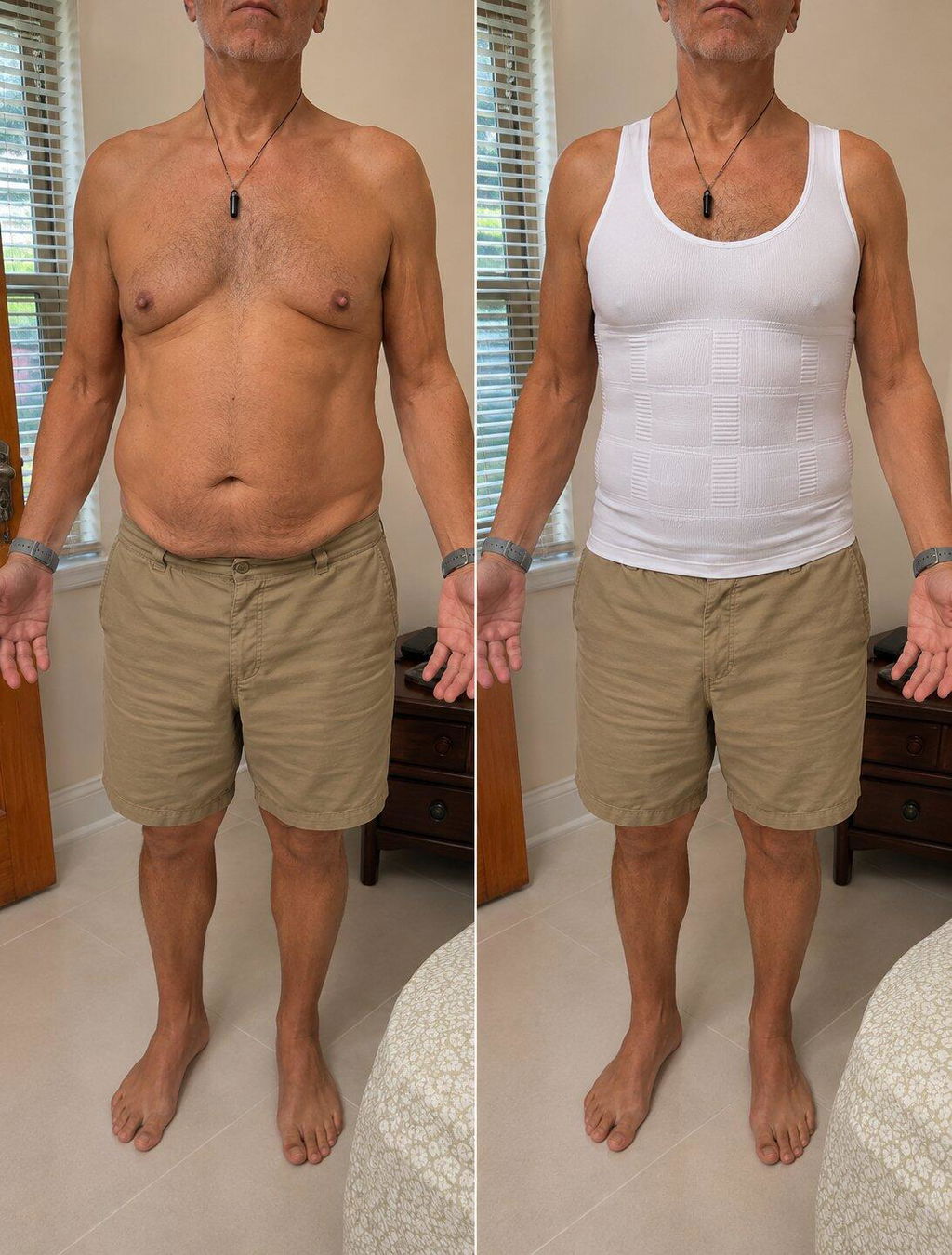
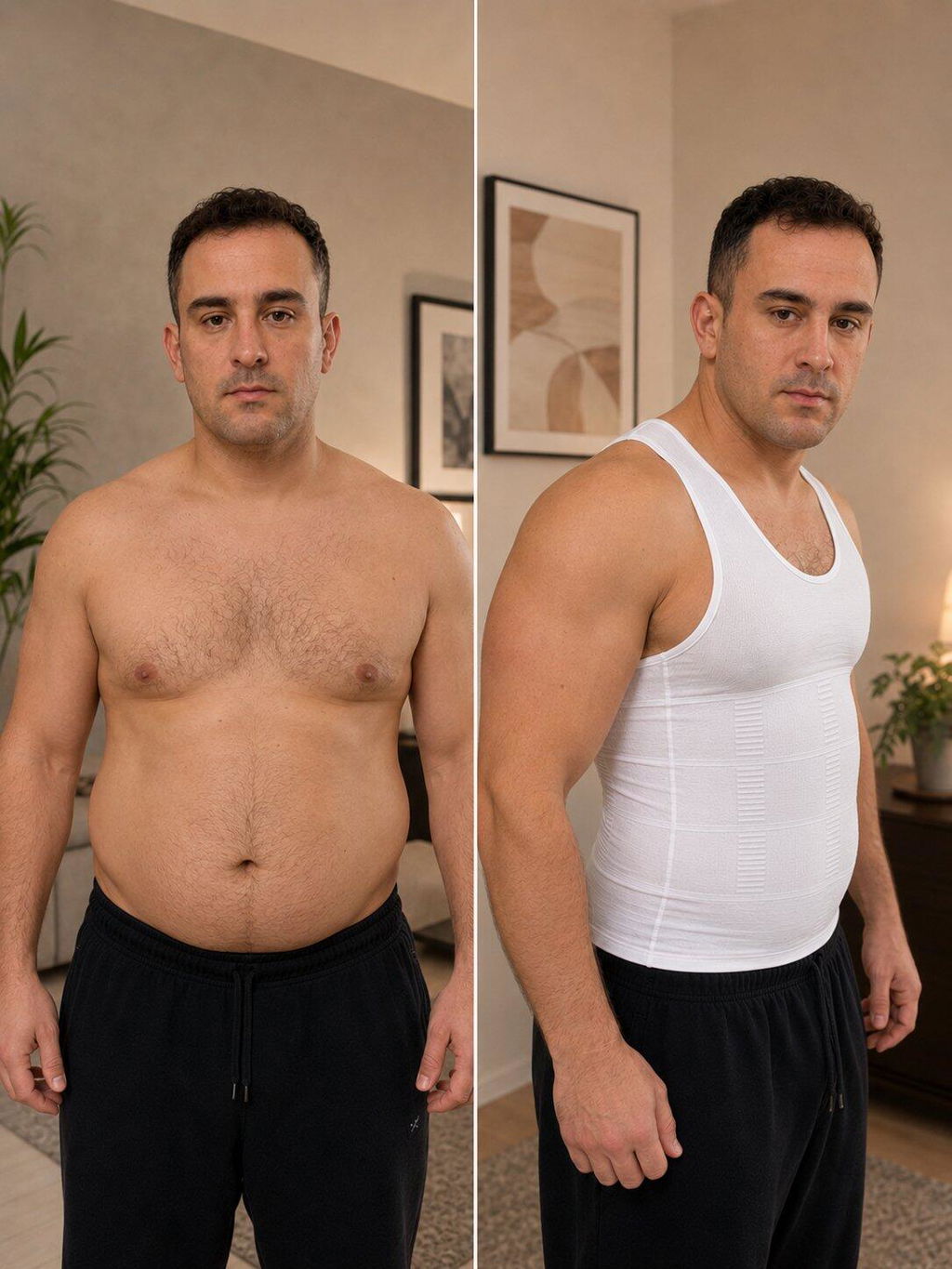
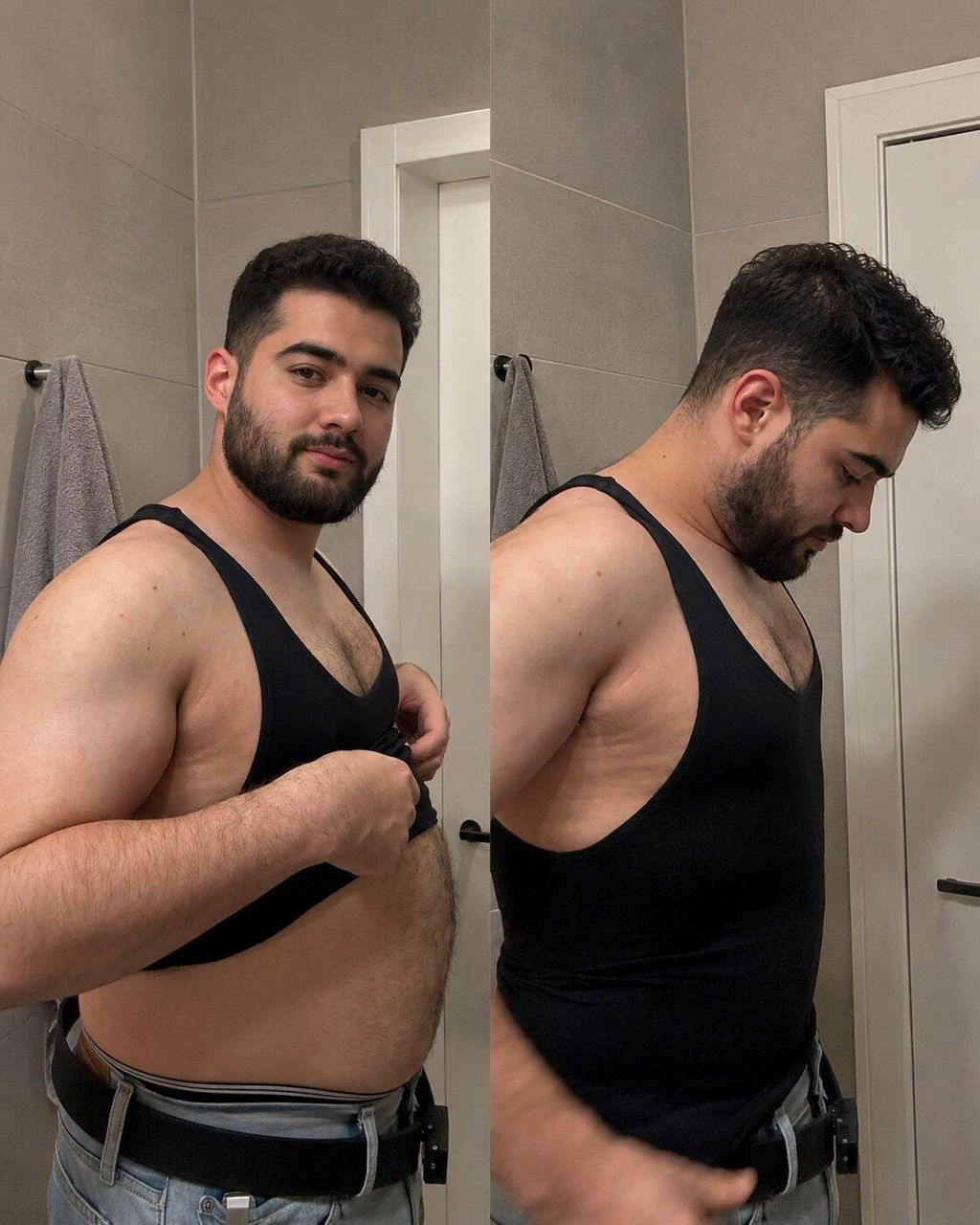
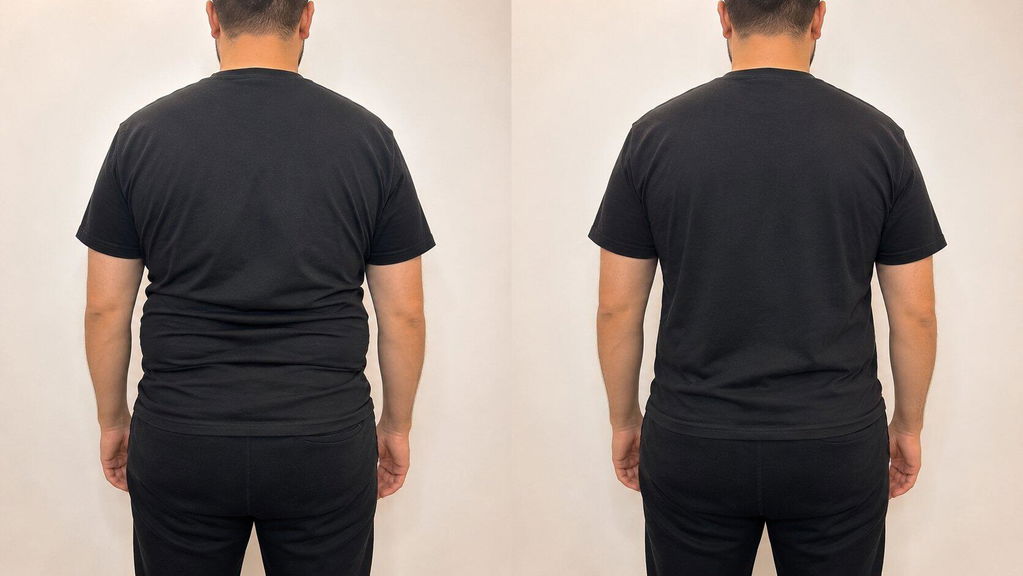
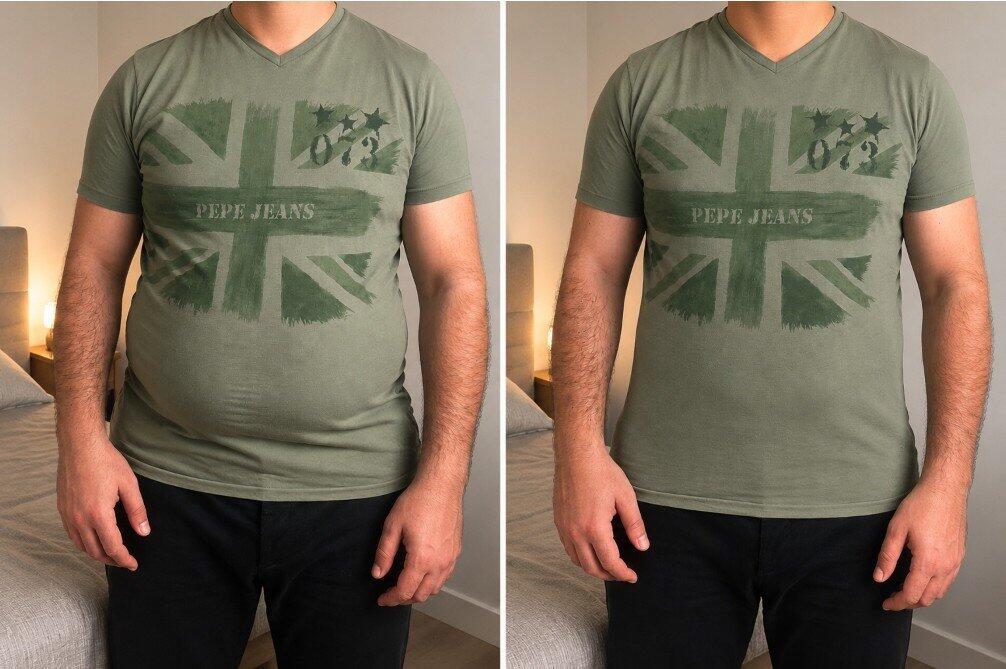
A well-fitted compression tank works differently. It does not remove love handles. It creates a smoother base under your outer shirt, so the fabric does not catch as sharply at the flanks. The shirt sits cleaner. The side profile looks more controlled. You stop checking the same area every morning.
We covered exactly why love handles show through shirts — and why certain fabrics make them worse — in our guide on why love handles show under shirts.
If you want to understand the clothing solution in detail, the love handles compression tank guide breaks down what to look for in a base layer and which garment features matter under fitted shirts.
Can a compression tank hide love handles while losing weight?
Yes, a compression tank can help hide love handles while losing weight by changing how the outer shirt drapes over the flanks. It does not burn fat, shrink fat cells, or replace the long-term process. It simply gives the shirt a smoother surface to follow, which can reduce the visible side outline immediately while worn.
Recommended reading
Need the clothing fix today? The fat-loss timeline takes patience, but the shirt problem is daily. Our guide to how to hide love handles under a shirt explains the fabric, fit, and base-layer strategy in practical terms.
The Process Takes Weeks. Your Shirt Does Not.
VEROSHAPE is built for the daily clothing problem: smoother shirt drape, cleaner side profile, and discreet compression under fitted shirts while you keep working the long game.
Handle the Shirt Problem Today →The 8–20 Week Plan That Actually Makes Sense

The realistic plan for losing love handles is not complicated, but it requires accepting the timeline before frustration takes over. The men who succeed usually do not have a magic method. They have a plan they can repeat long enough.
Weeks 1–4: Build the routine. Improve meals. Train consistently. Walk more. Sleep better. Do not expect the flanks to visibly change first.
Weeks 4–8: Expect other areas to show progress before the sides. This is not failure. This is the lag phase. Keep the plan stable instead of chasing a new trick.
Weeks 8–12: Shirt fit may begin to shift. The waistline may look slightly cleaner. The sides may still feel behind, but the process is closer to showing where you want it most.
Weeks 12–20: Many men finally see meaningful change at the flanks. The result depends on starting point, consistency, body fat level, and how sustainable the plan has been.
The plan itself is simple: strength training several times per week, enough daily movement, consistent meals, adequate protein, sleep, and patience. Do not turn the process into punishment. Love handles are stubborn enough without building a plan you hate.
One pattern we hear repeatedly from men: the turning point is often not the week they finally see side-fat change. It is the week they stop letting the shirt problem decide what they wear.
Why Most Men Quit Before Results Arrive

Most men quit because the area they care about most is the last area to confirm that the plan is working. That gap between effort and visible flank change is where the frustration lives.
By week 6 or 8, a man might feel better, weigh less, and look sharper from the front. But then he turns slightly, sees the sides still showing through the shirt, and thinks the whole thing failed. That is the dangerous misread.
There are three reasons men usually quit too early:
1. They measure only the stubborn area. If the sides are the only thing you check, you miss the progress happening everywhere else.
2. They expect a 30-day timeline. Love handles rarely respect short transformation content. The flanks need a longer window.
3. They have no daily clothing strategy. If every morning reminds you that the sides are still there, the mental drain builds. Handling the shirt problem today makes it easier to stay consistent with the body process tomorrow.
The practical middle ground: keep working on the long-term fat-loss process, but stop letting love handles control every shirt decision while you wait. That is the role of compression: not changing the body, but changing the surface your clothing sits on.
FAQ — How to Lose Love Handles Men
How long does it take to lose love handles for men?
Most men need 8 to 16 weeks of consistent fat loss before love handles visibly reduce, and some need 16 to 20 weeks depending on starting body fat, genetics, training consistency, and recovery. Love handles usually change after other areas have already started improving.
What is the most effective exercise for love handles?
The most effective training approach is compound strength training combined with overall fat loss. Squats, rows, presses, hinges, loaded carries, and full-body training support the process better than relying only on side crunches. Oblique exercises strengthen the muscle underneath but do not directly remove the fat above it.
Does diet or exercise matter more for love handles?
Nutrition usually matters more because fat loss requires a sustained energy deficit. Exercise supports the process by preserving muscle, improving body composition, and increasing daily energy use. The best approach combines both instead of treating them as separate fixes.
Why do love handles come back so quickly?
Love handles can return quickly when old habits return because the fat cells in the flank area do not disappear; they shrink and refill. If a caloric surplus returns, many men regain fat in their usual storage pattern, which often includes the sides and lower back.
Can a compression tank help with love handles while losing weight?
Yes. A compression tank can help manage the appearance of love handles under shirts while you lose weight. It does not remove fat, but it can smooth the side profile and reduce how much the outer shirt catches at the flanks. VEROSHAPE is designed for that clothing problem: discreet compression under everyday shirts.
Do hormones affect love handles in men?
Hormones can influence fat storage, appetite, recovery, stress response, and where men tend to hold fat. Poor sleep, high stress, and inconsistent eating can make the process harder. If body-fat gain is sudden or unexplained, it is worth speaking with a qualified healthcare professional.
Why have my love handles not changed after 8 weeks?
Eight weeks may be enough to see progress elsewhere but not enough for the flanks to visibly change. If your plan is consistent and sustainable, you may simply be in the lag phase. Many men see the sides respond later, especially once overall body fat has dropped further.
What should I wear to hide love handles at work while losing weight?
A compression base layer under a fitted shirt is usually the most practical option. It gives the outer shirt a smoother surface at the sides, which reduces visible flank outline. Structured shirts, darker colors, and slightly heavier fabrics also help.
Work the Long Game. Handle the Shirt Today.
The fat-loss process takes time. VEROSHAPE helps your shirts sit cleaner while you keep going.
See the VEROSHAPE Compression Tank →