What Causes Love Handles in Men (And Why They're So Hard to Lose)
html
What Causes Love Handles in Men (And Why They're So Hard to Lose)
You already know the test shirt. The one that tells the truth from the side.
You wore it Saturday. Looked fine from the front. Then a photo came through and you saw the angle nobody warned you about. The sides. Still there. Exactly where they were six months ago — despite the gym, despite the discipline, despite the rest of you responding the way it's supposed to.
You're not here for another workout plan. You already have that. You want to know why this specific area doesn't move. Why effort lands everywhere except here.
This article explains the four real causes — what actually drives flank fat in men, why some of those causes respond to work and others barely register it, and what knowing yours changes about your approach.
In This Article
- Why Love Handles Appear Even When You're Not Overweight
- The 4 Real Causes — Which One Is Yours
- Why Stress and Sleep Matter More Than You Think
- What the Cause Tells You About Your Solution
- Genetics — How Much of This Is Just Your Build
- From Understanding to Acting
- FAQ — What Causes Love Handles in Men

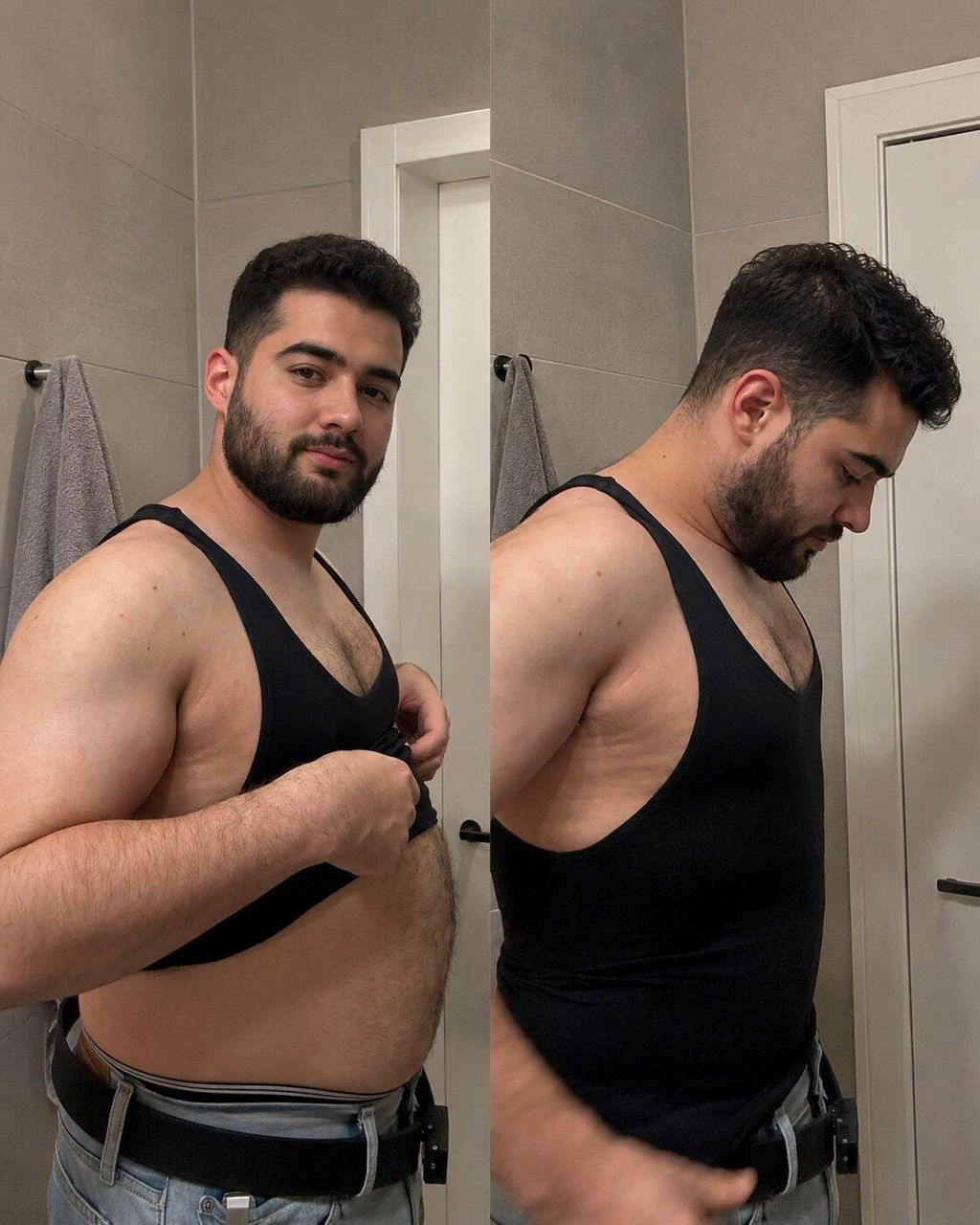
The sideways mirror check. You're not unfit — but the sides don't seem to register that. Understanding why starts with the biology, not the effort.
Why Love Handles Appear Even When You're Not Overweight
Love handles are not a sign that you're overweight. That's the first thing to understand — and the part most fitness content gets wrong.
Technically, love handles are subcutaneous fat deposits at the flanks — the area between your lower ribs and hip. This fat sits directly beneath the skin. It's not the deeper visceral fat that surrounds organs. It's the kind that catches light, shows through fabric, and tends to stay visible even when the rest of your body has changed.
The reason they can appear on otherwise lean men comes down to two things: where your body is genetically wired to store fat first, and which factors are currently driving storage. You can have a healthy body composition and still carry excess subcutaneous fat specifically at the flanks — because fat distribution is not uniform, and it's not entirely under your control.
Can you have love handles if you're not fat?
Yes — and it's more common than most content acknowledges. Body fat percentage doesn't determine where visible fat appears. A man at 14% body fat can have noticeable flanks if his genetic fat distribution pattern prioritizes the midsection. Conversely, men at higher overall body fat percentages can have very little visible flank fat if they store it elsewhere. The issue isn't how much fat you carry — it's where your body stores it and when it releases it.

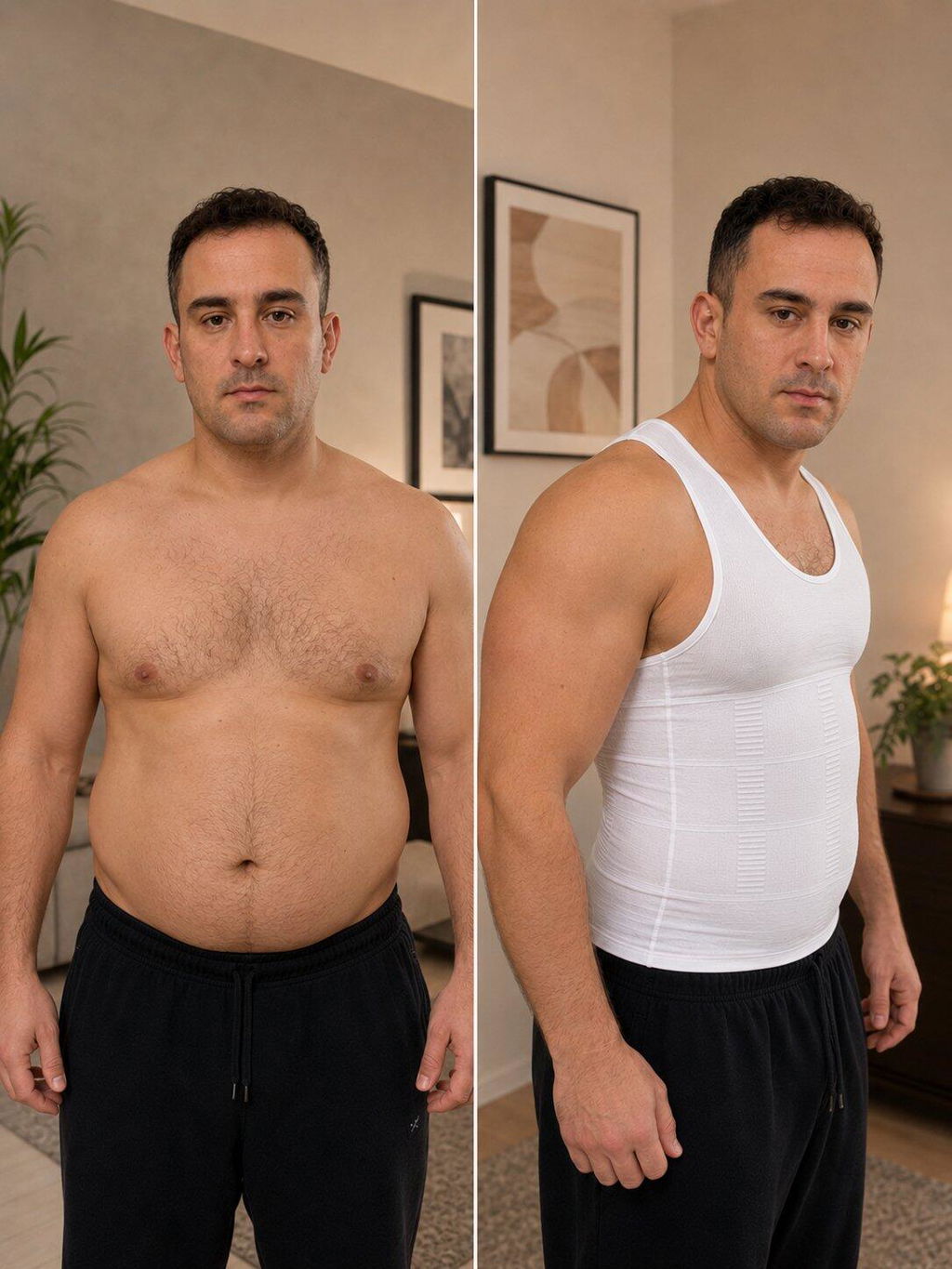
The four primary drivers of love handles in men. Most men have more than one operating at the same time — which is part of why this area is so resistant to standard approaches.
The 4 Real Causes — Which One Is Yours
Most explanations of love handles give you a generic list: eat less, move more, reduce stress. That's not wrong — but it's not a diagnosis. The four causes below work differently from each other, respond to different interventions, and often combine. Identifying which ones apply to you changes what you should actually prioritize.
| Cause | Mechanism | Responds to |
|---|---|---|
| 1. Caloric surplus + fat storage pattern | Excess energy is stored as fat; genetic pattern determines where | Sustained caloric deficit over time |
| 2. Cortisol / chronic stress | Elevated cortisol drives central fat storage and slows fat mobilization | Stress management, sleep quality, reducing training load |
| 3. Insulin sensitivity | Impaired insulin signaling increases abdominal fat retention | Diet composition, activity type, sleep, reducing processed carbs |
| 4. Genetics + testosterone decline | Fat distribution pattern is partly inherited; lower testosterone shifts fat toward abdomen | Partially — time, consistency, and body recomposition |
What hormones cause love handles in men?
The two most significant hormones are cortisol and insulin. Cortisol, the primary stress hormone, has a well-documented relationship with abdominal fat accumulation — research published in Psychosomatic Medicine found that stress-induced cortisol responses were associated with greater fat distribution around the trunk. Insulin sensitivity matters because when cells become less responsive to insulin, the body has more difficulty processing energy efficiently, which can increase fat retention in the abdominal and flank areas, according to research published in PubMed (PMID 10780952).
Testosterone also plays a role. As testosterone levels decline with age, the body tends to shift its fat storage pattern toward the midsection. And in a frustrating cycle, abdominal fat itself can accelerate the conversion of testosterone to estrogen — which then reinforces further central fat storage.

The fat release sequence is not random. It's regulated by hormones and genetics — which explains why a consistent deficit can produce visible changes everywhere except the sides.
Why Stress and Sleep Matter More Than You Think
This is the part most men don't expect.
You can be training consistently and eating in a deficit — and still have elevated cortisol working against you. Chronic work stress, poor sleep, high training volume without adequate recovery: all of these keep cortisol elevated. And elevated cortisol does two things relevant to love handles: it drives preferential fat storage in the trunk area, and it impairs the body's ability to mobilize that fat during a deficit.
We hear regularly from men who've been in a caloric deficit for months without the sides budging — often, the missing variable isn't their diet. It's elevated cortisol from life stress operating in the background.
Sleep compounds this. Research from the National Institutes of Health (PMC6835938) found that sleep restriction modifies the relationship between fat intake and abdominal fat accumulation. Less sleep → higher cortisol → more central fat storage → less efficient fat release. The mechanism is real, and it operates even when training and nutrition look correct on paper.
Does stress cause love handles in men?
Stress doesn't directly create love handles — but elevated cortisol from chronic stress is a significant driver of central fat storage and one of the main reasons flank fat is so difficult to move. It's not that stress gives you love handles overnight. It's that sustained high cortisol levels create a hormonal environment where the body preferentially stores fat in the midsection and resists releasing it from there first. If you're consistently stressed and sleeping poorly, those factors may be working against you regardless of your training and diet.
What the Cause Tells You About Your Solution
Here's the counter-intuitive part: knowing the cause doesn't always mean the solution is fast. It means the solution is accurate.
If the primary driver is a caloric surplus, a sustained deficit will eventually move the flanks — but they'll likely be among the last areas to respond, because the fat release sequence is partly determined by your genetics and hormonal environment. Expecting the sides to respond first is like expecting a specific muscle to grow from a general workout. It doesn't work that way.
If cortisol is the main driver, more training may actually make things worse in the short term. More volume under chronic stress raises cortisol further. The solution in that case is counterintuitive: less training intensity, more recovery, better sleep.
If insulin sensitivity is involved, diet composition matters more than just calories. Reducing refined carbohydrates, improving sleep, and adding resistance training all improve insulin sensitivity — and that changes how the body handles fat storage at the flanks.
Understanding this is what separates men who keep doing the same thing expecting different results from those who actually adjust. As we covered in our guide to why love handles show under fitted shirts, the visual problem and the physical problem have different timelines. The body takes time. The shirt doesn't have to.
The body timeline and the clothing timeline are not the same thing. The sides take time to respond — even when everything is right. A compression base layer changes how shirts sit over the flanks today, without waiting for biology to catch up.
See How Compression Tanks Work for Love Handles →
The sides show most clearly under fitted shirts — especially thin fabrics and light colors. Understanding the cause helps with the long-term. Managing how shirts sit helps today.
Genetics — How Much of This Is Just Your Build
More than most people are comfortable admitting. Research suggests genetics play a substantial role in fat distribution patterns — meaning where your body stores fat first and releases it last is not entirely down to what you eat or how you train. This is why two men with the same diet, the same training, and the same stress levels can have completely different silhouettes.
If your father or older male relatives carry fat at the flanks, you likely have a similar predisposition. This doesn't mean nothing changes with effort — it does. But it sets a realistic expectation: genetics determine the starting point and the resistance, not the final outcome.
Is it genetics if your love handles won't go away?
Genetics can certainly be a factor — especially if you've reduced body fat broadly and the flanks are the last area remaining. That's consistent with a genetically driven fat storage pattern. However, "it's just genetics" isn't a complete explanation in most cases. Genetics determine where you store fat first and where you release it last — but hormonal factors like cortisol and insulin sensitivity can amplify that pattern significantly. Most men who struggle with persistent love handles are dealing with a combination: a genetic predisposition to midsection storage, compounded by one or more hormonal drivers. Identifying and reducing the hormonal factors gives genetics less to work with.
VEROSHAPE is a men's compression clothing brand specializing in helping men manage the visible side effects of love handles, belly fat, and chest changes — particularly under fitted professional and social clothing. In 2026, the most common question we receive from men dealing with stubborn flanks is: "Is it something I'm doing wrong?" The honest answer, more often than not, is no. The biology is working against them in specific, identifiable ways.

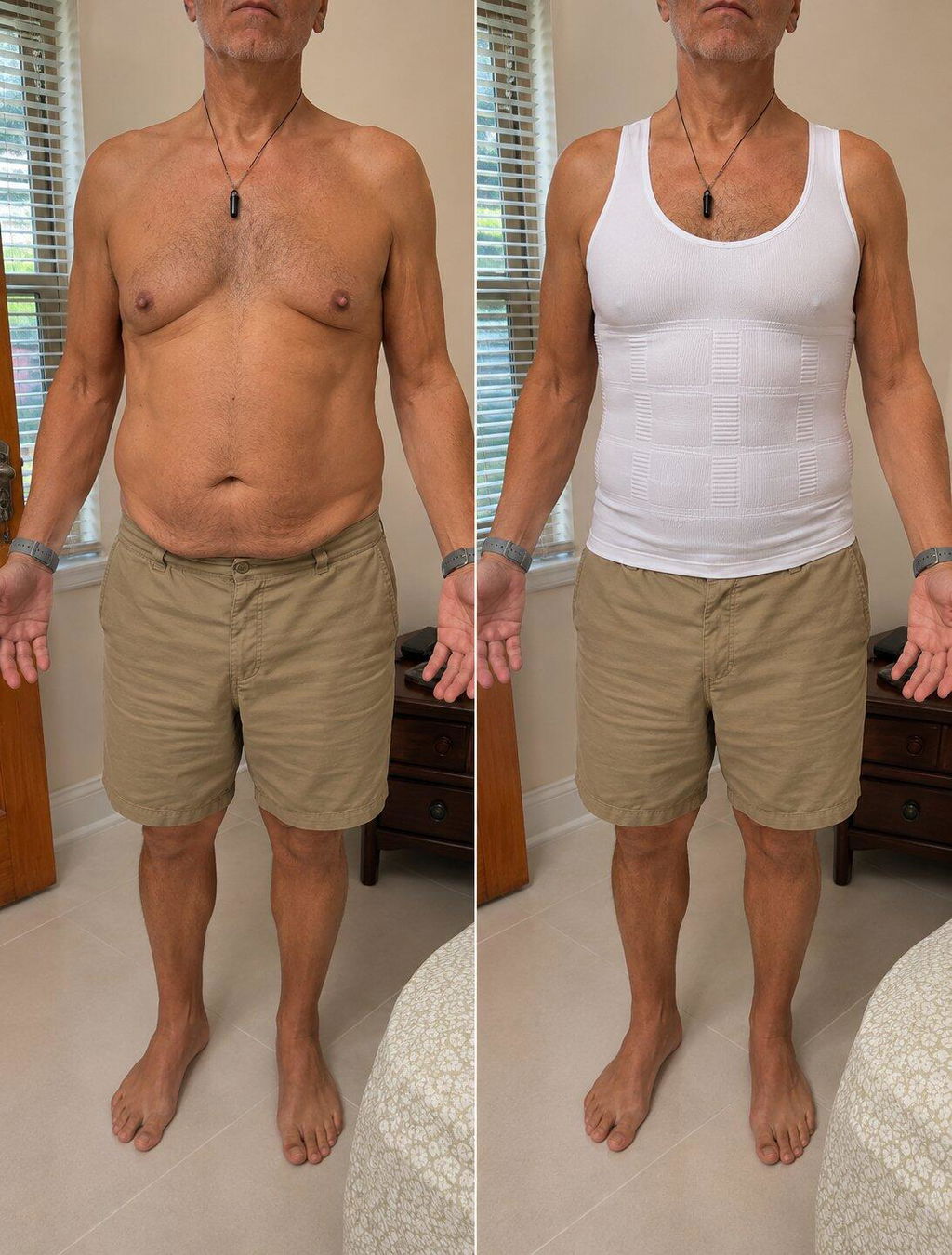
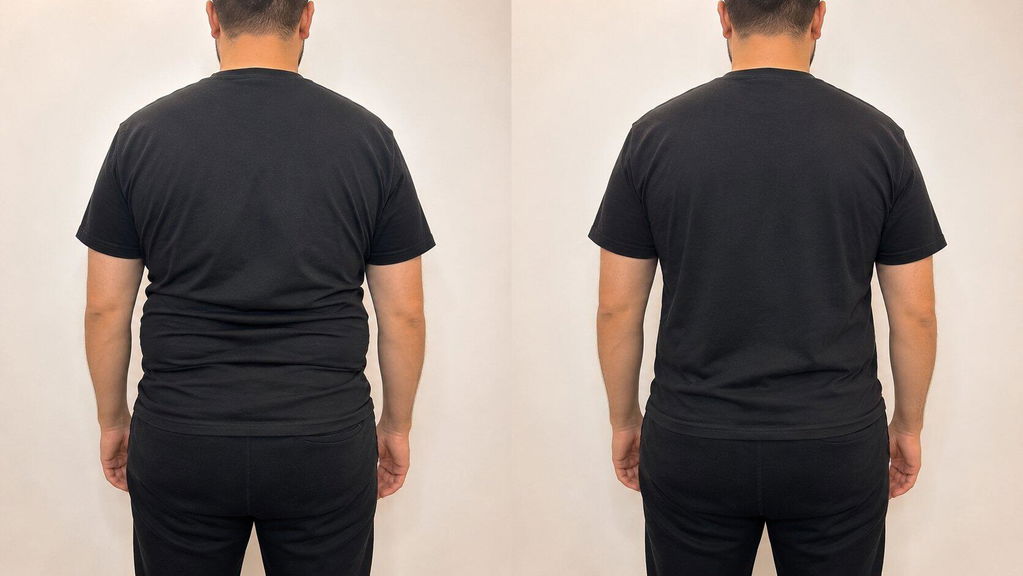
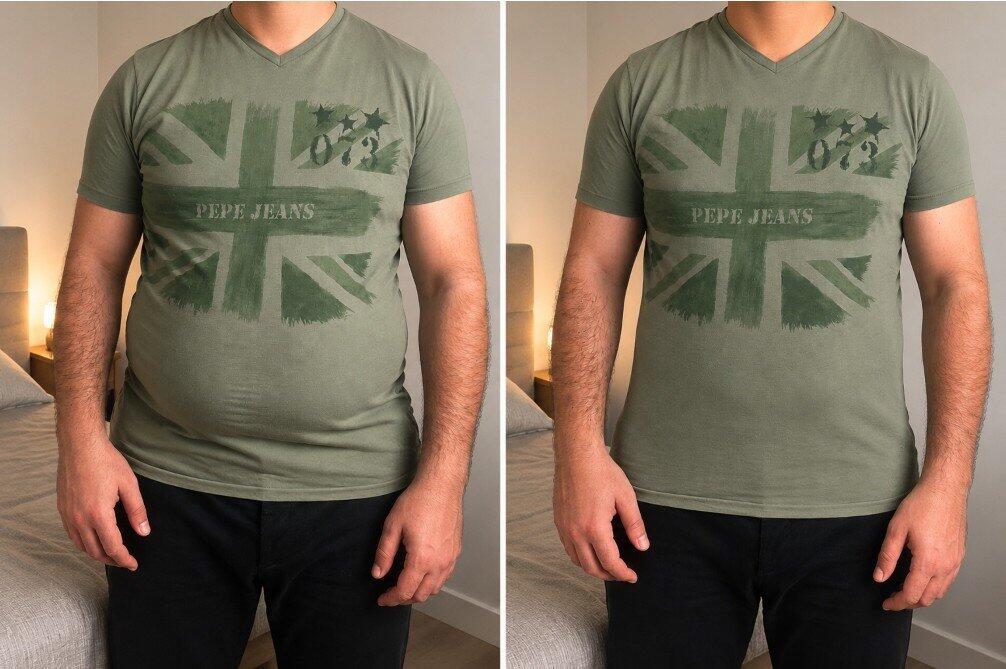
A compression base layer doesn't change the body — it changes how the outer shirt drapes over the sides. SAME MAN. SAME SHIRT. SAME BACKGROUND. The only variable is the compression layer beneath.
From Understanding to Acting
The four causes aren't equally responsive to effort. Caloric surplus responds to a sustained deficit — slowly, and with the flanks usually going last. Cortisol responds to stress reduction, sleep improvement, and sometimes less training volume. Insulin sensitivity responds to diet composition changes, resistance training, and better sleep. Genetics you work around, not through.
The practical approach: address every variable you can control — deficit, sleep, stress, diet quality — and hold a realistic expectation that the sides are typically the last to cooperate. If you've been consistent and the timeline feels unfair, that's not a failure of effort. It's the fat release sequence operating as biology designed it.
For the visual problem in the meantime, there are concrete approaches that work today — including how shirts sit, what fabric types conceal more, and how a compression base layer changes the drape at the sides. If you're working on eliminating them entirely, our complete guide to getting rid of love handles for men covers what actually moves the needle. And for a realistic picture of what the timeline looks like once everything is aligned, our guide to the real love handle timeline covers what to expect week by week.
Know the Cause. Handle Today.
Root cause work takes time. In the meantime, a compression tank changes how shirts sit over the sides — without waiting for biology to cooperate.
Handle the Visual Problem in the Meantime →
He stopped adjusting the shirt. The sides aren't the focus anymore. Understanding the cause removes the confusion. Managing the visible problem removes the daily friction.
FAQ — What Causes Love Handles in Men
What are the main causes of love handles in men?
Love handles in men are primarily caused by four overlapping factors: subcutaneous fat accumulation driven by a caloric surplus, elevated cortisol from chronic stress, reduced insulin sensitivity, and genetic predisposition to midsection fat storage. Testosterone decline with age also shifts fat distribution toward the abdomen. Most men dealing with persistent love handles have more than one of these factors active simultaneously.
Can stress cause love handles?
Chronic stress raises cortisol levels, and elevated cortisol has a well-documented association with preferential fat storage in the trunk area. It doesn't create love handles overnight, but sustained high cortisol creates a hormonal environment where the body stores fat centrally and resists releasing it from the flanks first. If you're consistently stressed and sleeping poorly, those factors may be actively working against your efforts even when training and diet look correct.
Why do I have love handles if I'm not overweight?
Because fat distribution is not determined by overall weight — it's largely determined by genetics and hormones. Some men are genetically wired to store fat at the flanks first, regardless of their total body fat percentage. A man at 13-15% body fat can have visible love handles if his genetic pattern prioritizes midsection storage. This is more common than most fitness content acknowledges.
Does testosterone affect love handles?
Yes. Testosterone levels influence where the body stores fat. As testosterone declines — which happens gradually with age — fat storage tends to shift toward the abdominal area, including the flanks. Additionally, visceral and subcutaneous abdominal fat can accelerate the conversion of testosterone to estrogen, creating a cycle that reinforces central fat accumulation. Maintaining healthy testosterone through sleep, resistance training, and stress management is part of addressing the hormonal environment.
Are love handles genetic?
Partly, yes. Research suggests genetics play a substantial role in fat distribution — including where fat is stored first and released last. If male relatives carry fat at the flanks, you likely share a similar predisposition. Genetic tendency doesn't fix the outcome, but hormonal factors like cortisol and insulin sensitivity can amplify or reduce it depending on lifestyle.
What is the fastest way to address love handles once you know the cause?
There's no shortcut — the flanks typically respond after other areas due to the body's fat release sequence. Address all contributing factors: sustained caloric deficit, better sleep, stress reduction, and diet quality for insulin sensitivity. For the visual problem today, a compression base layer changes how shirts drape over the sides while the longer-term work progresses.