Nipple Covers for Men: Do They Work Under Shirts—and When Is a Base Layer Better?
“Do you wear another shirt? Do you slouch?” That question captures the moment behind searches for nipple covers for men: you want the two visible points gone, but you do not want two larger circles announcing the fix. The right answer depends on what the shirt is showing—color, a localized nipple point, a puffy areola or tension across a wider part of the chest. It also depends on the shirt, the cover’s edge, sweat, chest hair and whether this is one important outfit or an everyday routine.
Quick Answer: Nipple covers for men can work when the visible problem is localized and the cover creates a smoother, less noticeable transition beneath the exact shirt being worn. They become less reliable when the edge shows, moisture or chest hair affects contact, or the shirt reveals a wider chest contour that two small covers cannot change.
Concealment and running protection are different jobs. Covers worn beneath everyday clothing are judged mainly by whether they reduce visible color or projection without creating a detectable patch. Running guards and sports tape are primarily used to reduce friction during movement, so they are not automatically designed to disappear beneath a fitted or formal shirt.
What Do Nipple Covers Actually Change Under a Shirt?
A nipple cover works over a small, localized area. Depending on its construction, it may soften a nipple point, reduce color contrast or do both. It does not automatically change the shape of the surrounding chest or remove tension from the rest of the shirt.
This is why “covering,” “flattening” and “supporting” are not interchangeable outcomes. A soft cover may conceal color and soften a small point without exerting much tension. Tape may give more control over localized projection, but it also introduces more technique and direct adhesive contact. A base layer works across a wider surface rather than correcting only two small zones.
A cover succeeds only when the fix remains less visible than the problem. A product that hides the nipple point but creates a larger ring, mound or color difference has not passed the clothing test.
Before choosing a format, it helps to understand why men’s nipples show through shirts, because color, localized projection and wider shirt tension do not always need the same solution.
When the concern already extends beyond two small points, compare the clothing logic of a discreet compression base layer for everyday shirts. That destination explains the broader first-layer category; this article remains focused on the nipple-cover decision.

When Do Nipple Covers for Men Work Best Under Shirts?
One male poster described himself as a “big guy” preparing for an important event and asked whether people would be able to tell that he was wearing nipple coverings. His concern was not only whether the nipples disappeared; he also needed the correction itself to remain discreet under the chosen outfit.
Nipple covers are most useful when the visible problem is localized and the intended shirt has already been tested with the cover. They can be practical for a wedding, performance, photograph, presentation or other occasion where one outfit needs to work for several hours.
A cover may also be the simplest option when an undershirt would create a visible neckline, sleeve line or extra layer. If it remains discreet, feels comfortable and survives normal movement, there is no reason to reject it merely because it is a localized solution.
One outfit is different from an everyday routine
The effort involved in applying, checking and removing a cover may feel reasonable before one important event. The same routine can become less attractive when repeated every morning for work. Frequency changes the decision because convenience, replacement, removal and repeated skin contact matter more over time.
Why Can Nipple Covers Still Show Through a Shirt?
The main failure is not always an uncovered nipple. It can be a cover that becomes the new visible outline.
The cover is too small
A small disc can create a sharp transition between covered and uncovered skin. Beneath a fitted shirt, that transition may appear as a larger circular edge. A wider cover can sometimes distribute the transition more gradually, but the extra surface area must still remain hidden beneath the garment.
The edge is too thick
A thick edge can replace one visible point with one visible ring. Material labels alone do not reveal how discreet a product will look; profile, taper, diameter and the shirt itself all affect the result.
The shirt is thin, tight or light-colored
In one supplied r/BALLET discussion, a male student described a required white stage shirt and worried that a nipple cover or tape could become “obvious,” creating what he called a “zero sum game.” This was a dance and stage-attire context, not a generic office-shirt comparison, but the transferable clothing mechanism is clear: a thin or sheer light fabric can reveal the correction as well as the original problem.
White clothing is especially sensitive to the interaction of fabric opacity, color contrast, light and surface projection. The separate guide to nipples showing through a white shirt covers that garment-specific problem without turning this page into a second white-shirt guide.
The visible contour is wider than the nipple
A cover may soften the central point while the shirt still pulls across a puffy areola or fuller chest. In that case, the cover may be correcting a smaller area than the garment is revealing.

Silicone Covers vs Adhesive Patches vs Nipple Tape
No format wins every category. The better starting option depends on whether the reader values reusability, a low profile, stronger localized control, easier removal or friction protection.
| Option | Most useful for | Main objection | Best starting context |
|---|---|---|---|
| Silicone cover | Reusable localized concealment after an outfit test. | Thickness, wrinkling, moisture or a visible edge. | Occasional clothing use where the transition remains smooth. |
| Thin adhesive patch | A low-profile correction for one shirt or event. | Disposability, removal and repeated adhesive contact. | Occasional use after a successful shirt test. |
| Nipple tape | More control over localized direction or tension. | Technique, chest hair and removal. | A localized point when the user accepts more preparation. |
| Running guard | Reducing friction during running. | It may not be designed for invisibility beneath everyday clothing. | Running and endurance activity. |
| Regular undershirt | Adding a non-adhesive layer under a structured outer shirt. | Heat, neckline, sleeves or visible undershirt lines. | Workwear where a normal base layer is acceptable. |
| Compression tank | Smoothing a wider part of the torso while worn. | Fit, an extra layer and possible neckline or hem visibility. | Repeated use when the concern is broader than two points. |
A localized cover and a sleeveless compression layer solve different reader jobs. The next step is to compare how much of the torso actually needs to influence the outer shirt.
Does your shirt reveal more than two localized points?
The men’s compression-tank guide explains the sleeveless category, its coverage and the fit questions to check before considering a product.
Compare the compression tank format
Sweat, Chest Hair and Skin: The Three Practical Objections
Do nipple covers stay on when you sweat?
There is no honest universal answer. In one thread, a responder told a man worried about heavy sweating that her chosen tape did not come off; in another, a user said nipple covers made her sweat and left lines on the fabric. These are conflicting individual experiences, not proof that a format will behave the same way for every man.
The result can depend on the product, preparation, body oils, movement, clothing pressure and wear time. That is why the practical test should include ordinary movement rather than a motionless mirror check.
Do nipple covers work with chest hair?
Chest hair creates two opposite concerns. Hair beneath an adhesive area may make uniform contact harder, while strongly bonded tape can pull the hair during removal. The r/BALLET poster later joked that body tape had made him realize he might need to shave his chest.
That anecdote does not mean every man must shave. It means chest hair should be included in the application and removal test instead of treated as an afterthought.
What about sensitive skin and repeated adhesive use?
A controlled study in healthy children found that the tested silicone tape produced less erythema, epidermal stripping, discomfort and keratin removal than the tested paper tape, while the paper tape showed less edge lifting. This was a small pediatric tape study, not a study of adult male chests or commercial nipple covers, so it cannot prove that every silicone cover is gentler or more secure.
Medical adhesive-related skin injury is also documented in adult hospital populations exposed to medical adhesives. Hospital risk estimates cannot be transferred to healthy men using consumer nipple covers, but the evidence supports taking repeated irritation seriously rather than assuming every adhesive suits every person.
Follow the instructions supplied with the chosen product, test cautiously and stop if the skin reacts. This article cannot determine which adhesive is appropriate for an individual skin condition.

The Five-Minute Shirt Test
Do not decide whether a cover works by looking at it on bare skin. The meaningful test is the cover beneath the actual shirt, under realistic light and movement.
Step 1: Apply it according to its instructions
Use the preparation, placement and wear directions supplied with that specific product. Do not assume every silicone cover, patch or tape uses the same method.
Step 2: Put on the exact shirt you plan to wear
A cover that disappears beneath a thick dark layer may remain obvious beneath a fitted white T-shirt. Test the real garment in the intended size and fit.
Step 3: Check four views
- Front-facing room light.
- Side light that reveals surface transitions.
- Natural daylight where possible.
- A side profile rather than only a straight-on view.
Step 4: Move normally
- Raise the arms.
- Sit down and stand up.
- Turn the torso.
- Walk for several minutes.
Step 5: Inspect the correction
Look for a circular edge, a broader mound, a color difference, lifting, movement or discomfort. The cover passes only if it remains less noticeable than the original nipple outline.
The outer garment remains part of the result. The guide to shirts that hide nipples explains how shirt structure, fit and fabric can support—or undermine—the layer beneath it.

When the shirt test shows a wider torso issue
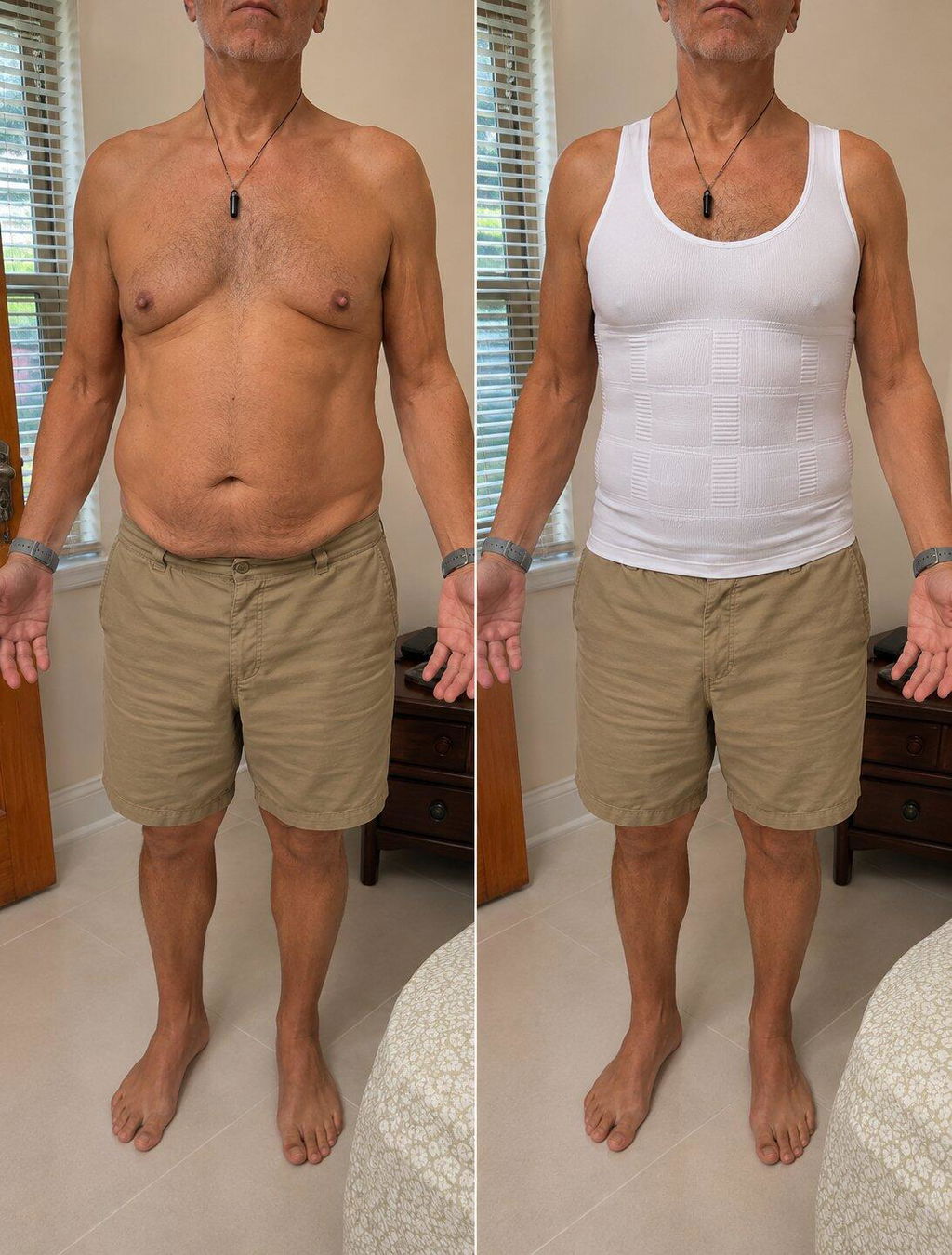
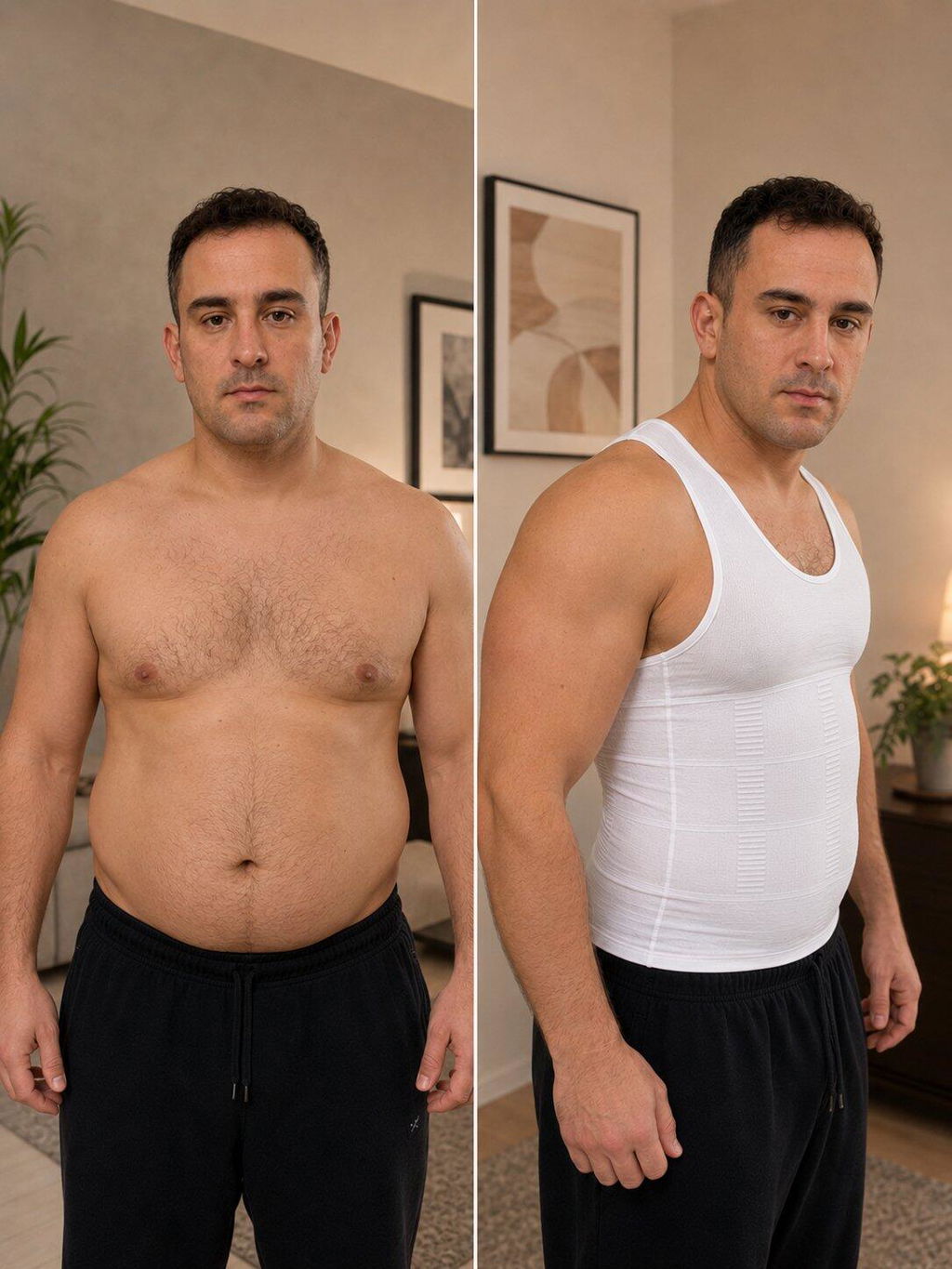
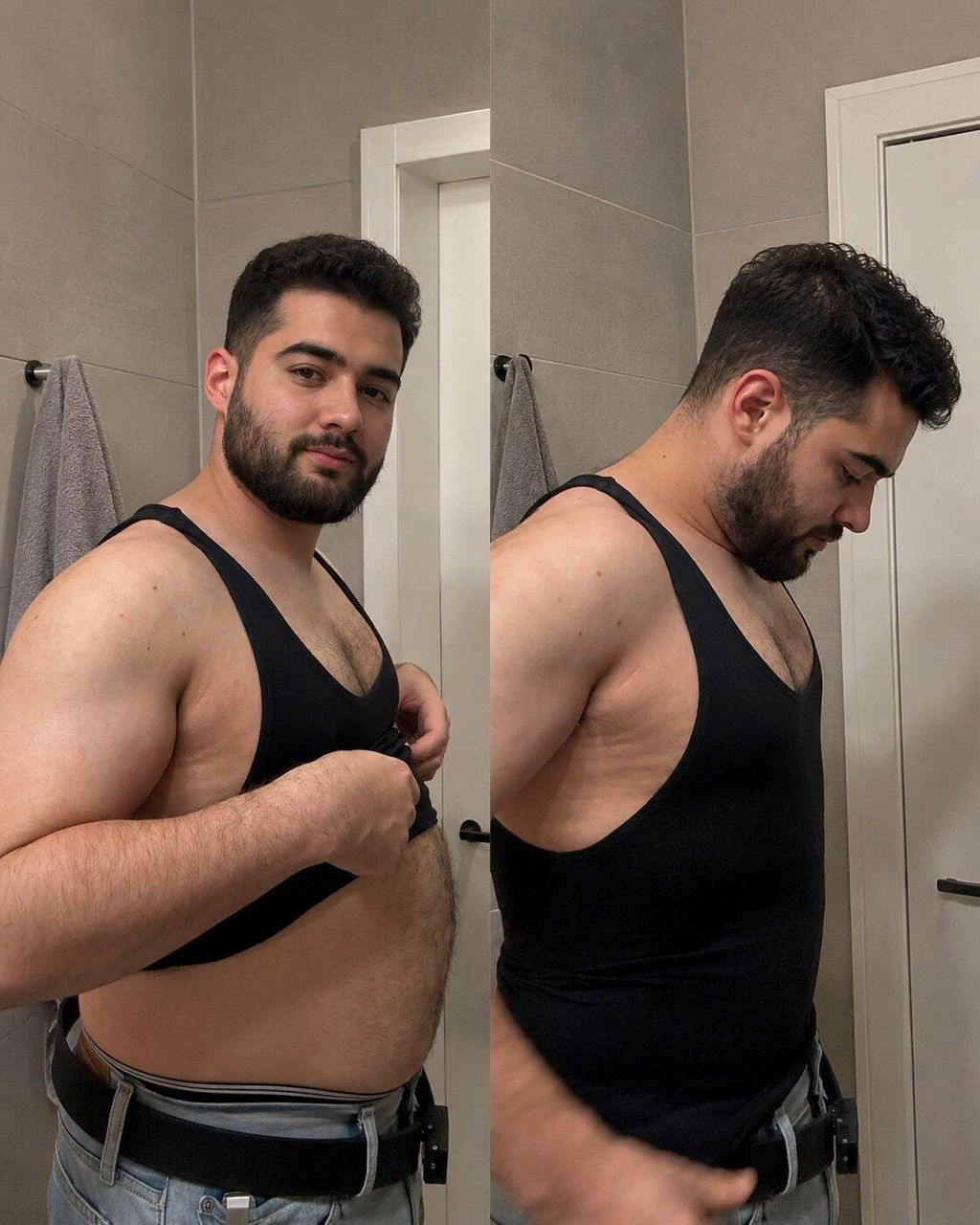
VEROSHAPE’s sleeveless compression tank is listed as an 83% spandex and 17% nylon base layer designed to work across the chest, belly and waist while worn. It is a broader clothing option, not a treatment and not a guaranteed invisible result beneath every shirt.
Evaluate the VEROSHAPE Compression TankAre Nipple Covers Practical for Everyday Use?
They can be practical, but daily suitability depends on more than whether they hide the nipple for five minutes. Application, cleaning or replacement, removal, chest hair, skin tolerance and the number of affected shirts all become part of the decision.
A separate male thread came from a stocky man in his early thirties who said polos were out of the question, most T-shirts failed, and he had relied on black graphic tees and hoodies while the problem also affected dating and everyday confidence. That situation is broader than choosing a cover for one event: the clothing system itself has become restrictive.
One man in the supplied corpus described prominent nipples visible even through loose clothing and said hoodies had been his solution before he needed smarter business clothing. Replies suggested reusable pasties, ordinary undershirts and compression-style undershirts, showing how the decision changes when the concern affects an entire wardrobe rather than one outfit.
A cover may remain the better answer for occasional localized use. A reusable layer may become more practical when the problem occurs across many shirts or the adhesive routine becomes the larger inconvenience.

Can Nipple Covers Flatten Puffy Nipples or Gynecomastia?
A cover may reduce the appearance of a localized point under some shirts, but it cannot guarantee a flat result when the areola or wider chest also affects the garment. The result depends on the body, product, shirt and width of the visible contour.
Gynecomastia can have physiological, medication-related and medical causes, and evaluating the cause belongs to healthcare rather than clothing advice. A nipple cover, undershirt or compression garment can affect appearance only while worn and must not be presented as treatment.
The guide to puffy nipples in men explains that distinction without asking a clothing-comparison article to diagnose the reader.

Which Option Should You Choose?
| Your situation | Best starting option | Why |
|---|---|---|
| One event and a localized point | Nipple cover | It may be the simplest correction when it remains discreet beneath that exact outfit. |
| Localized projection needing more tension control | Nipple tape | It offers more control, but technique, skin contact and chest hair matter more. |
| Structured work shirt and no adhesive preference | Regular undershirt | A normal layer may provide enough separation without specialized shaping. |
| Frequent use across many shirts | Base layer | A reusable layer may be more practical than repeating a localized adhesive routine. |
| Chest, belly and waist all affect shirt fit | Compression-tank category | It works across a wider torso area while worn instead of targeting only the nipples. |
| Running friction rather than appearance | Running-specific guard | The main job is friction protection, not invisibility beneath an everyday shirt. |
The better answer is not the option with the strongest promise. It is the option that solves the actual clothing problem without creating a more visible, uncomfortable or inconvenient one.
Frequently Asked Questions
Do nipple covers work for men under shirts?
Yes, they can work when the issue is a localized nipple point and the cover creates a smooth transition beneath the shirt. They are less effective when the edge shows, the shirt is very thin or the contour extends across a wider part of the chest.
Can you see nipple covers through a T-shirt?
Sometimes. A cover may appear as a ring, larger mound or color difference when it is too small, thick or sharply edged for the shirt. Testing it beneath the exact T-shirt is more reliable than judging it on bare skin.
Are silicone nipple covers better than nipple tape?
Neither option is universally better. Silicone covers may be reusable and simple to position, while tape may give more localized control. Edge visibility, sweat, chest hair, removal and skin tolerance can change which is more practical.
Do nipple covers stay on when you sweat?
Results vary by product and situation. One responder reported tape holding despite sweat, while another user described sweating and visible fabric lines from covers. Test the cover with the intended shirt before relying on it for an important event.
Do nipple covers work with chest hair?
They may, but chest hair can affect both contact and removal. The answer depends on the adhesive area and the amount and distribution of hair. Shaving is not presented here as a universal requirement.
Can nipple covers flatten puffy nipples?
They may soften a localized point beneath some shirts, but they cannot guarantee a flat appearance when the areola or wider chest affects the garment. They do not diagnose or treat puffy nipples or gynecomastia.
Are nipple covers practical for everyday use?
They can be practical when the user tolerates the adhesive and finds application and removal simple. An undershirt or reusable base layer may be easier when the issue affects many shirts or when the routine becomes inconvenient.
What can men use instead of nipple covers?
Alternatives include nipple tape, a regular undershirt, a sweat-wicking base layer, a compression shirt or a sleeveless compression tank. The best alternative depends on whether the issue is localized, whether adhesive is acceptable and whether the outer shirt reveals a wider torso contour.
Sources and Method
This guide was developed from supplied GSC exports, SEMrush keyword and SERP exports, the supplied Reddit evidence corpus, verified VEROSHAPE pages and the medical references below.