Will Gynecomastia Go Away? Timeline, Age & What To Expect
Last updated: May 2026 · By Mike Sterling
You got an answer. Sort of.
Maybe a doctor confirmed it and said something about monitoring it, giving it time, seeing what happens. Maybe you found the word yourself — on a forum, on an article, after enough searches that it started to make sense. Either way, you know what it is now.
What you don't know is whether it leaves on its own. And if it does — when. That's what this is about.
The answers you'll find elsewhere are usually frustratingly vague: "it depends," "see a doctor," "some cases resolve naturally." True. Not useful. The honest answer is more specific than that — and it follows a clear pattern once you understand which situation you're actually in.
Whether gynecomastia goes away depends almost entirely on when it developed and how long it has been present. Cases that appear during puberty frequently resolve on their own within 1 to 2 years. In adult men — or in cases that have been present for more than two years — natural resolution becomes increasingly unlikely. The specific, localized change that defines gynecomastia does not respond to diet or exercise. That is a different tissue with different behavior.

Why The Answer Depends On Your Specific Situation
Will gynecomastia go away? For some men, yes — within a predictable window. For others, waiting is unlikely to change anything. The frustrating part is that most content online gives the same vague answer: "sometimes it does, consult a doctor." That's not useful if you're trying to understand where you stand right now.
The answer follows a clear pattern once you understand the three main situations — and which one applies to you. Each situation has a different resolution likelihood and a different practical implication for how you manage the months ahead.
What most men get wrong is assuming all gynecomastia behaves the same way. It doesn't. Puberty-related cases follow one trajectory. Adult-onset cases follow another. Cases that have been present for more than two years follow a third. The distinction matters more than almost anything else when deciding how to approach the next several months.
If you want a deeper understanding of what causes gynecomastia in the first place — why it develops differently at different life stages — this overview of gynecomastia in men covers the mechanics. For now, the most useful starting point is understanding which situation you're in.
The Three Situations — And Which One Is Yours
Gynecomastia doesn't follow the same pattern across different age groups or timelines. Here's what resolution actually looks like across the three most common situations.
Will puberty gynecomastia go away?
Yes — this is the form most likely to resolve without any intervention. Gynecomastia that develops during puberty, typically between ages 12 and 17, is driven by a temporary hormonal shift as testosterone and estrogen levels fluctuate during development. According to the NHS, in most cases this type of gynecomastia goes away on its own within 2 to 3 years — often faster. A smaller percentage of cases persist into adulthood, but for the majority of younger men, this is a temporary condition tied to a specific developmental phase.
If you're currently in this window — under 18, noticed it recently, no obvious external cause — the advice to wait and monitor it is genuinely reasonable. The window is real. The question is whether you're inside it or past it.
Does adult gynecomastia go away on its own?
Less predictably. Gynecomastia that develops in adult men tends to be more persistent, because the hormonal shift driving it is less likely to correct itself without a deliberate change in circumstances. If there's an identifiable and reversible cause — stopping a medication that triggered it, for example, or a significant change in body composition in the early stages — some improvement is possible, particularly if the cause is addressed quickly. But adult-onset gynecomastia without a clear reversible cause rarely self-resolves over time.
The honest answer for most adult men: if you have been waiting six months or more without any change — not in the firmness, not in how shirts sit over the chest — that pattern is informative. Conditions that are going to self-resolve typically show gradual change. What stays static usually stays that way.
What if it's been there for years?
The two-year mark is medically significant. After approximately two years, the tissue involved typically undergoes a change in composition that makes natural resolution very unlikely — regardless of lifestyle changes, weight loss, or continued monitoring. This doesn't mean nothing can be done about the appearance. It means the tissue itself is not going to change on its own at this point.
Many men reach this stage having spent one or two years hoping things would shift. The most common Reddit thread pattern in r/Gynecomastia is exactly this: someone who is 23 or 24 asking why nothing has changed since they were 20. Understanding where you are in that timeline is the most honest thing this article can give you.

How Long Does It Actually Take?
How long does it take for gynecomastia to go away?
For puberty-related cases, the typical resolution window is 1 to 2 years from when it first becomes noticeable, with most cases stabilizing or resolving by age 17 or 18. Cases that persist past that point are less likely to resolve without a change in approach. The NHS notes that gynecomastia related to puberty usually goes away without treatment within a few years.
For adult gynecomastia, there is no reliable "wait it out" timeline. If the condition developed due to a reversible cause and that cause is addressed quickly — within the first few months — some improvement may occur. Beyond that early window, monitoring alone stops being a strategy and starts being inaction with a different name.
A useful question to ask yourself: Has anything changed in the last six months? Not the word you use to describe it. Not how you feel about it. Physically — in the firmness, in the way shirts sit over the chest area, in any visible reduction. If the answer is no, that answer is more informative than most medical articles will admit.

Gynecomastia present for more than two years is considered established tissue. At this point, natural resolution is unlikely — not impossible, but not something to plan around. Most men who understand this either pursue a longer-term medical path or shift their focus to managing the appearance under clothing in the meantime. Both are practical responses. Continued passive waiting, at this stage, is usually neither.

What Won't Make It Go Away
Before moving to what you can do in the meantime, it's worth being direct about what won't change the tissue — because this is where most men spend months of effort before realizing they've been trying to change something that doesn't respond to those inputs.
Does gynecomastia go away with weight loss?
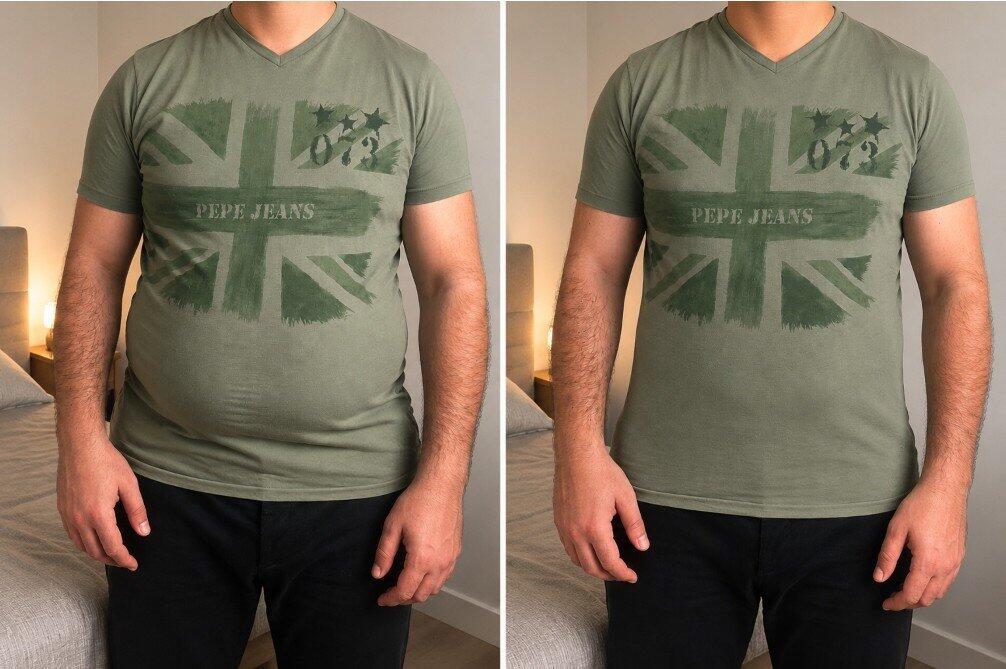
This is one of the most persistent misconceptions — and one of the most frustrating to encounter after months of effort. Weight loss can reduce the soft tissue around the chest, which may improve the overall chest silhouette. If overall body fat is a significant factor, that visible change can be meaningful. But the specific, localized change that defines gynecomastia — the firmness behind the chest center, the way a shirt sits differently over that area — does not respond to a caloric deficit or exercise routine.
This is why men who lose significant weight often find that the chest area still sits the same way under fitted shirts, even as everything else changes. They're not failing. They're trying to change something with a tool that doesn't address it. Diet and exercise affect body composition. Glandular tissue behaves differently. For men weighing their actual options beyond waiting, our guide on gynecomastia treatment without surgery covers what can realistically change.

Can gynecomastia come back after it goes away?
In cases where it resolved naturally during puberty — rarely, unless a new contributing factor develops in adulthood. A new medication, a hormonal shift, a significant change in body composition in later life could trigger an adult-onset case that is separate from the earlier episode. For men who resolved pubertal gynecomastia and later develop something in their 30s or 40s, these are typically understood as distinct events rather than recurrence of the original condition.
The more relevant question for most men reading this is not whether it comes back. It's whether it is going to go away in the first place. And the honest answer to that, if you have been waiting more than two years without change, is: probably not on its own.
| Situation | Resolution likelihood | Practical implication |
|---|---|---|
| Puberty onset, under 18, recent | High — within 1–2 years | Monitor and wait; compression optional during this period |
| Adult onset, identifiable cause | Moderate — if cause is removed early | Address cause + manage appearance in the meantime |
| Adult onset, no clear cause | Low — unlikely to self-resolve | Manage appearance daily; explore longer-term options |
| Present 2+ years, no change | Very low — tissue established | Shift focus from waiting to active management |
While You're Waiting — Or If Nothing Changes
Here's the part that rarely gets said directly: regardless of where you are in the timeline — whether the gyno is six months old or three years old, whether there's still a chance it resolves or not — you still have shirts to wear tomorrow. Events to attend. Days where this is somewhere in the back of your head when you get dressed in the morning.
Most men in this situation describe the same routine, months in: avoiding fitted shirts, reaching for something looser, choosing darker fabrics by default, keeping an overshirt nearby even when the weather doesn't call for it. The body might change eventually. The wardrobe frustration is immediate.
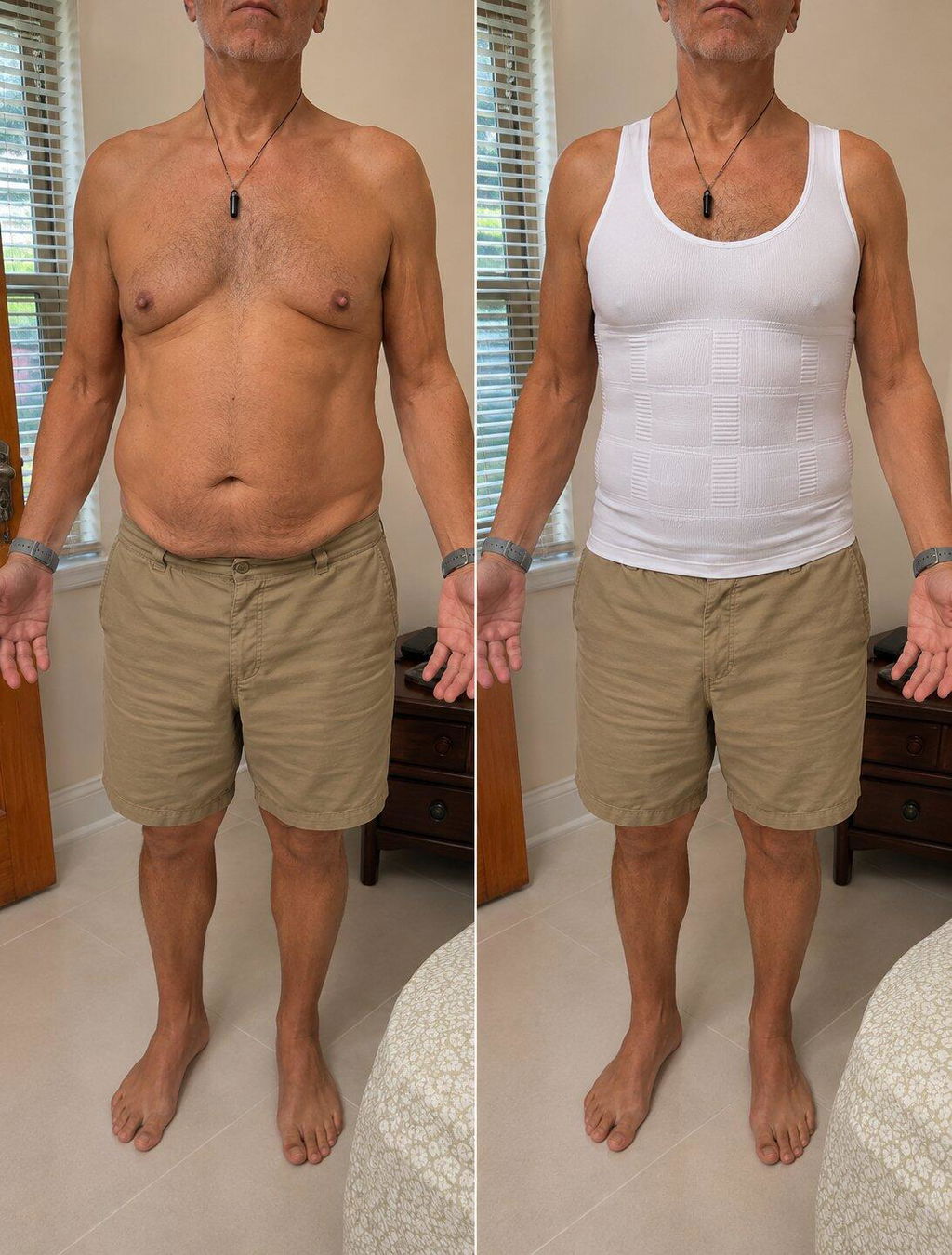
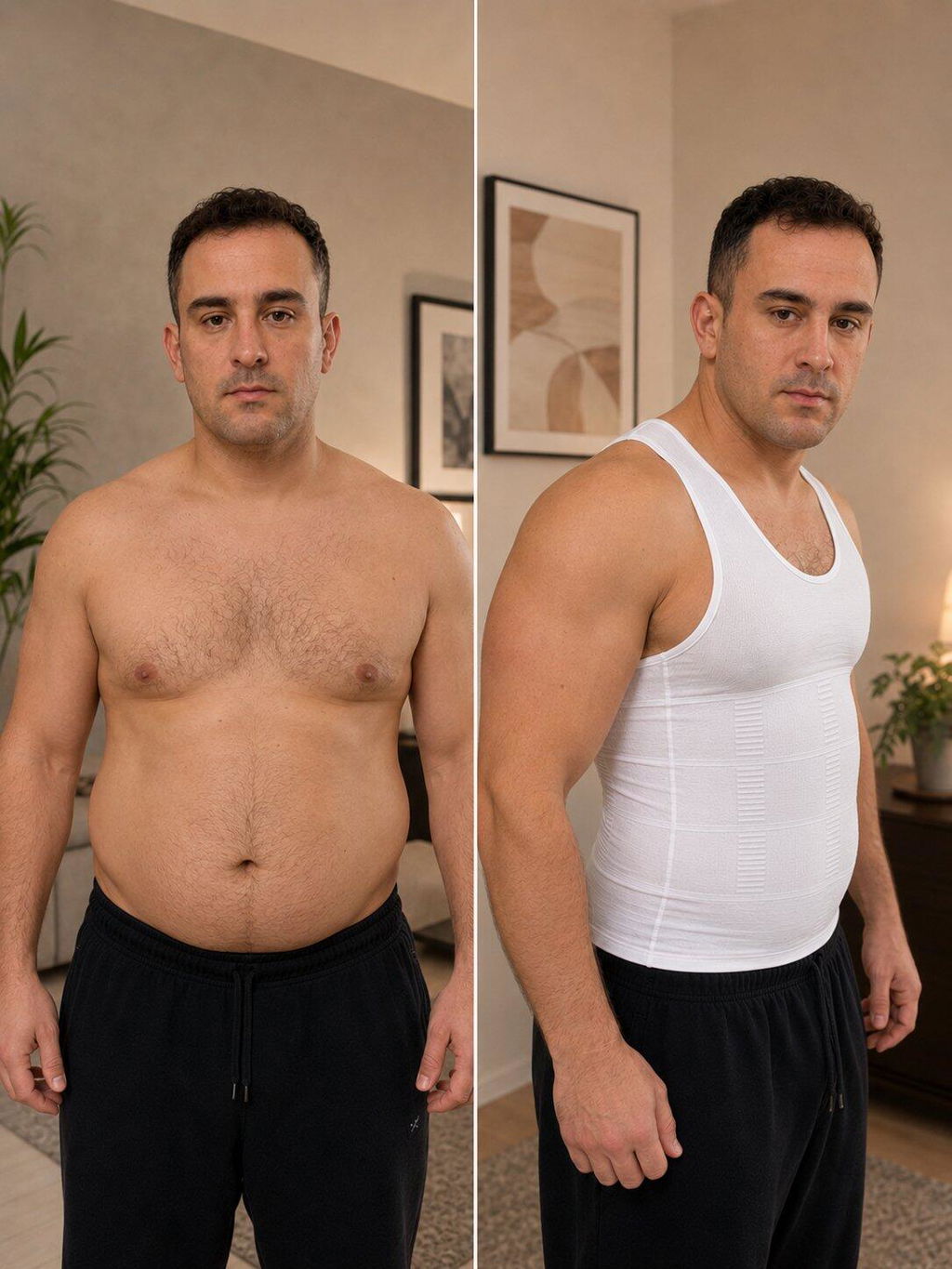
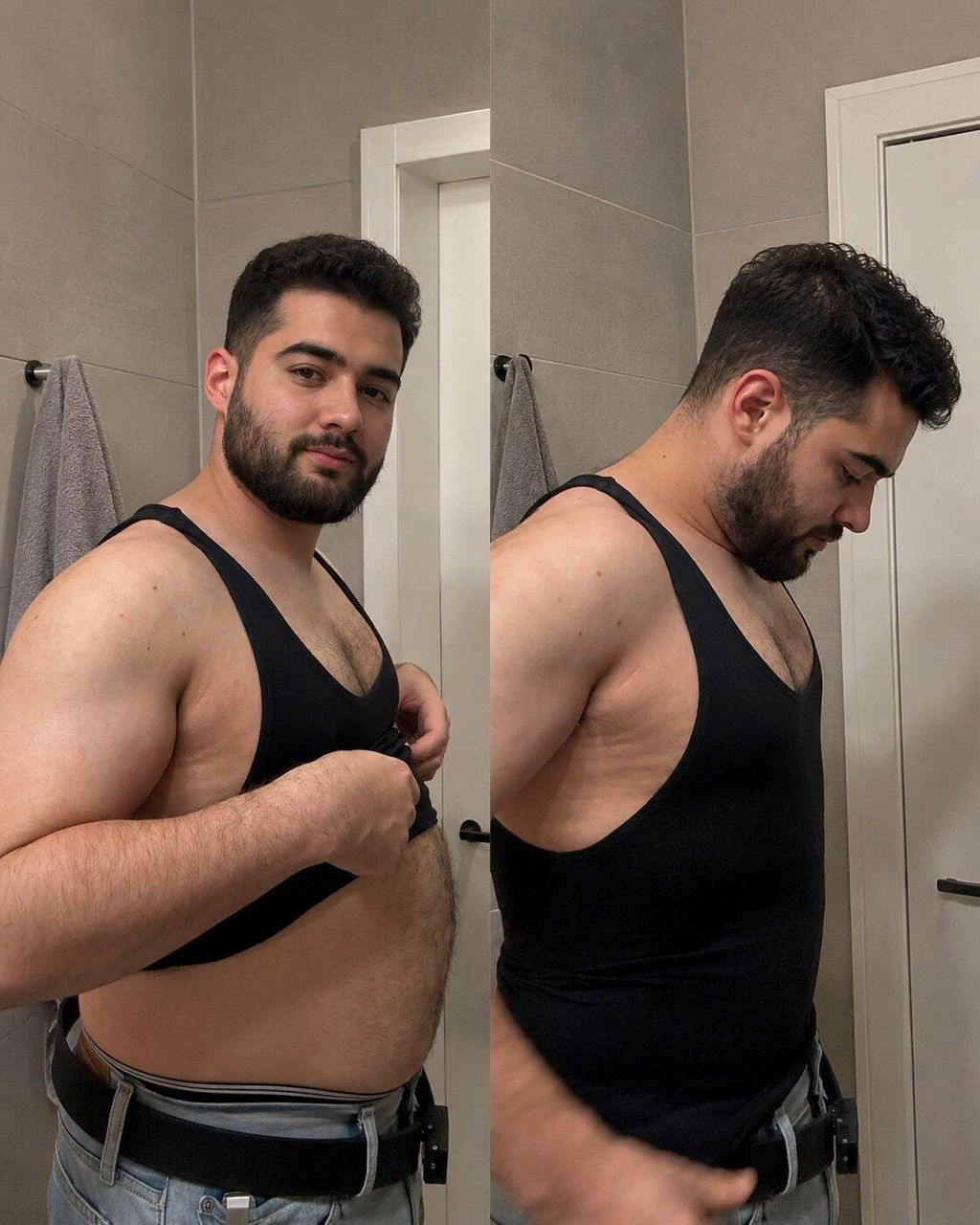
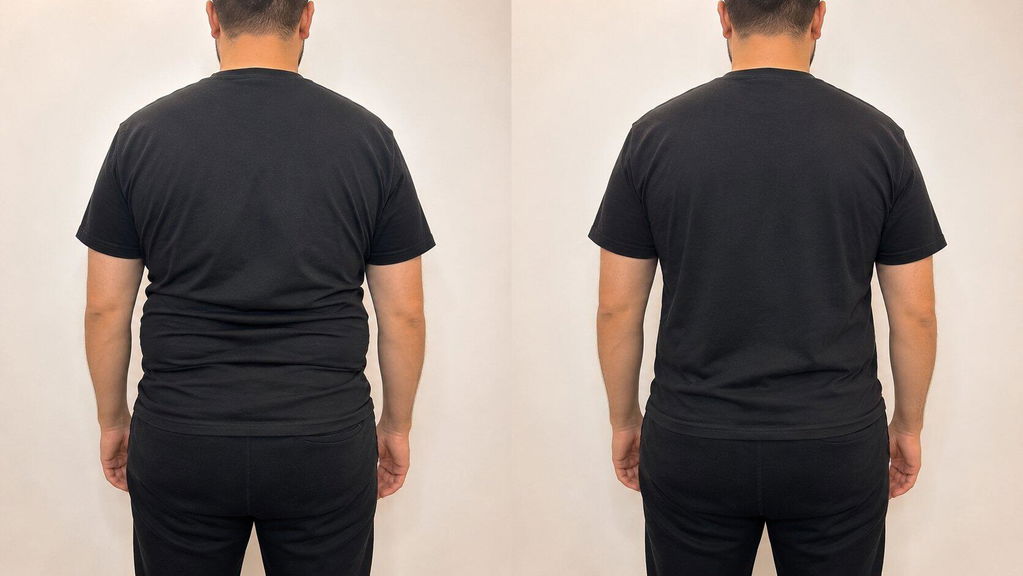
A compression undershirt doesn't change the tissue. It changes how the shirt sits over it. The chest projection that defines how this looks under clothing is a fabric behavior problem — and fabric behavior can be addressed today, regardless of what happens with the underlying tissue over the next 12 months.
We hear from men regularly who describe this the same way: "I stopped thinking about what I was wearing to work." For some, that's a temporary decision while they wait. For others, it becomes a permanent part of how they dress. Either way, the months in between don't have to look the same as the months before.

A compression layer designed for gynecomastia flattens chest projection under any shirt — fitted t-shirt, dress shirt, polo — and sits completely invisible under fabric. Built for daily wear, not gym use. The guide on gynecomastia compression shirts explains exactly what to look for and why it works.
Make The Shirt Sit Cleaner — Starting Today
VEROSHAPE creates a smooth base under any shirt so the chest area stops being the thing you manage every time you leave the house. Built for daily wear — invisible under fabric, designed for fitted shirts and dress shirts, not just gym use.
See how men manage Gyno under clothing
Continue Reading
How To Hide Gynecomastia Under A Shirt: The Complete Guide
The practical side — which fabrics, fits, and layering strategies actually work for managing how gynecomastia appears under clothing day to day.
Read the guide →Sources & References
Frequently Asked Questions
Does puberty gynecomastia always go away on its own?
Not always — but in the majority of cases, yes. The NHS notes that gynecomastia related to puberty usually goes away without treatment within a few years. Cases that persist past age 17 or 18 without change are less likely to self-resolve and may benefit from a more active approach to management, whether that means addressing a specific contributing factor or managing the daily appearance while exploring other options.
What if nothing has changed after two years?
The two-year mark is where the expectation of natural resolution should shift. After this point, the tissue has typically stabilized in a way that makes further change on its own unlikely. That doesn't mean nothing can be done — it means continued passive monitoring is no longer a productive strategy. Managing the appearance under clothing in the meantime while exploring longer-term approaches is more practical than waiting for something that, at this stage, is unlikely to happen without deliberate action.
Will wearing a compression shirt affect whether the gyno resolves naturally?
No. Compression shirts work at the level of fabric and silhouette — they change how a shirt sits over the chest, not the tissue itself. Wearing one has no effect on whether the underlying condition improves, stays the same, or progresses. They are a practical daily tool, not a treatment, and they don't interfere with natural resolution or any other approach you're taking in parallel. Men wear them during the waiting period because the shirt problem is immediate, even when the tissue timeline is not.
Can I wear a compression shirt every day while I'm waiting?
Yes. A compression undershirt designed for everyday wear — distinct from sport or performance compression — is built to be worn 8 to 12 hours a day under fitted shirts, dress shirts, and casual clothing. It functions as a base layer, not a medical device. Most men who use one during a waiting period treat it the same way they'd treat any other base layer: on when getting dressed, off at the end of the day. There's no "rest period" required.
Does losing weight make gynecomastia go away?
Weight loss can reduce the overall amount of soft tissue around the chest, which may improve the general chest silhouette for some men. But the specific, localized change that defines gynecomastia — the firmness and forward projection at the chest center — does not respond to changes in body fat. Many men who lose significant weight find that area still sits the same way under fitted shirts, even as everything else changes. Diet and exercise affect body composition broadly. Glandular tissue behaves differently and doesn't respond to those inputs.
Is there a compression shirt specifically designed for gynecomastia?
Yes. General compression shirts compress broadly across the torso. A gynecomastia-specific compression tank concentrates firm support at the chest zone — where the projection is visible under clothing — while remaining lightweight enough for daily wear under any shirt. The VEROSHAPE Compression Tank is built for this specifically: chest-focused compression, invisible under fitted fabric, designed for 8 to 12 hours of everyday use. It's a practical middle ground between doing nothing and pursuing longer-term options — useful regardless of where you are in the resolution timeline. See how it works here.