Gynecomastia In Men: What You Need To Know
Gynecomastia is enlargement of glandular breast tissue in males. It can appear during puberty or adulthood and may have hormonal, medication-related or other medical causes. This guide explains what gynecomastia is, how it differs from chest fat, when medical evaluation matters, and how clothing or compression can temporarily manage its appearance.
Quick Navigation
What Is Gynecomastia?
Gynecomastia is an enlargement of glandular breast tissue in males. It is different from pseudogynecomastia, where chest enlargement is primarily caused by fat. The two can also occur together, which is why persistent or concerning chest changes should be evaluated by a healthcare professional.
If chest appearance under clothing is your main concern, explore the gynecomastia compression shirt guide.
Not sure whether you're looking at gynecomastia, chest fat, or a combination of both? Our guide on gyno vs chest fat explains the visual differences men usually notice first.
If you already understand the condition and want realistic daily habits, clothing strategies, and confidence-focused steps, read our gynecomastia self-care guide.
Is it common?
Yes. Clinical studies show that 25–65% of men experience some degree of gynecomastia during their lifetime [2]. It's particularly common in adolescence (puberty-related) and in men over 50 (age-related hormonal changes).
For many men, the difficult part isn't hearing the word gynecomastia — it's figuring out whether what they're noticing actually fits. Here's exactly how to know if you have gyno, including the signs men usually notice first in mirrors, photos, and everyday shirts.
Is it dangerous?
No. Gynecomastia is not a medical emergency and doesn't indicate cancer or serious disease in most cases. However, if you notice a rapid change, pain, or discharge, consult a doctor to rule out underlying conditions [1].
Root Causes of Gynecomastia
Gynecomastia happens when the balance between testosterone and estrogen shifts in favor of estrogen. Here are the most common causes:
Hormonal imbalance
Testosterone naturally decreases with age while estrogen-sensitive tissues become more responsive. This hormonal shift is why gynecomastia is common in older men [4].
Medications
Certain medications can trigger gynecomastia as a side effect. These include some blood pressure medications, antidepressants, anti-anxiety drugs, and medications for prostate conditions [3].
Obesity and weight gain
Excess body fat produces estrogen. Weight gain around the chest can trigger or worsen gynecomastia [5].
Liver disease or kidney problems
These conditions can disrupt hormone metabolism, leading to hormonal imbalance [4].
Alcohol consumption
Regular heavy drinking can reduce testosterone production and increase estrogen, contributing to gynecomastia development [2].
Marijuana and recreational drug use
Both marijuana and certain other drugs can affect hormone balance [1].

Gynecomastia vs. Chest Fat
Not every enlarged male chest is gynecomastia. The distinction depends on the tissue involved:
Enlargement of glandular breast tissue, often concentrated beneath or around the nipple.
Chest enlargement primarily caused by fat rather than increased glandular breast tissue.
A man can have both glandular tissue and additional chest fat. Appearance alone cannot always determine which tissue is responsible.
Gynecomastia Treatment Options
Observation and treating the underlying cause
Treatment depends on the cause, how long the gynecomastia has been present, symptoms and individual circumstances. Some cases—particularly during puberty—may improve without specific treatment. When a medication or medical condition is involved, a healthcare professional can determine the appropriate next step.
Medical treatment
Medication may be considered by a clinician in selected cases, particularly when gynecomastia is relatively recent or painful. Medication is not appropriate or effective for every case and should not be self-prescribed.
Surgery
Surgery may be considered for persistent gynecomastia when symptoms or appearance remain troublesome. The appropriate procedure depends on whether glandular tissue, fat or both need to be addressed.
Compression and clothing
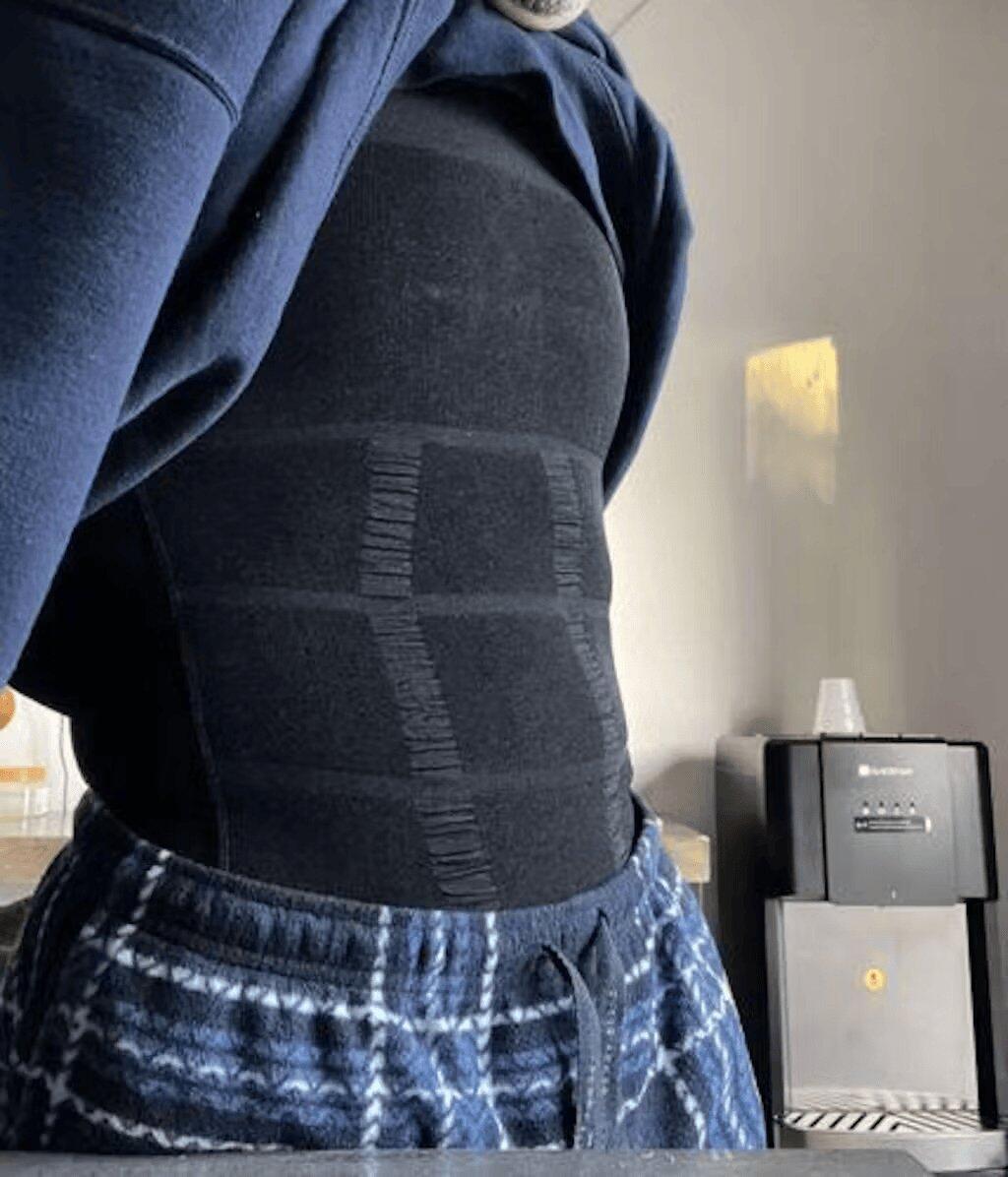
Compression garments do not treat gynecomastia itself. They are a temporary clothing option that may make chest contours less noticeable under an outer shirt while the garment is worn.
What Compression Can—and Cannot—Do
A compression garment can temporarily change how the chest looks under clothing while it is being worn. It does not remove glandular tissue, treat the underlying cause of gynecomastia, or replace medical evaluation. If your main concern is clothing, our guide on how to hide gynecomastia under a shirt covers shirt fit, fabrics and layering strategies.
What compression can do
A properly fitted compression layer may create a smoother surface beneath an outer shirt and make chest contours less noticeable while worn.
Realistic expectations
The visual effect varies with body shape, garment fit, compression level and the clothing worn over it. Compression should be treated as an appearance-management option, not a medical treatment for gynecomastia.
When medical advice matters
If chest enlargement is new, painful, rapidly changing, one-sided, associated with nipple discharge, or otherwise concerning, seek medical evaluation rather than relying on clothing or compression alone.

Frequently Asked Questions
A: Puberty-related gynecomastia often improves over time, while persistent adult gynecomastia may require evaluation depending on its cause. Our guide on whether gynecomastia can go away explains the different situations.
A: No. Gynecomastia is benign in the vast majority of cases. If you experience pain, rapid growth, or discharge, consult a doctor to rule out other conditions [1].
A: Exercise and diet can reduce fatty gynecomastia but won't eliminate glandular tissue. Results take 3–6 months and may be incomplete [5].
A: Compression works only while you're wearing the shirt. Once removed, your natural chest appearance returns. This makes compression ideal for daily confidence while pursuing permanent solutions [6].
A: Yes. Blood pressure medications, antidepressants, and some other drugs can trigger gynecomastia as a side effect. Talk to your doctor if you suspect medication is causing it [3].

Looking for a Smoother Look Under Clothing?
A compression layer can temporarily make chest contours less noticeable under clothing while worn.
Explore Compression Tanks