Gynecomastia Self-Care: What Actually Helps For Men
Gynecomastia self-care is not about pretending a medical condition can be solved with one habit, one shirt, or one "natural trick." For most men, it is more practical than that. It is about understanding what can improve day-to-day comfort, what might change over time, and what helps you get dressed without thinking about your chest every few minutes.
You notice it most in ordinary moments. A t-shirt that used to feel easy now pulls across the chest. A polo looks fine from the front, then different from the side. A work shirt sits clean at the shoulders but catches around the lower chest. You pull the fabric away once, then again, then realize you are managing the shirt instead of wearing it.
That is usually when men start searching for gynecomastia self-care. Not because they want a complicated medical lecture. Not because they want someone to tell them to "just go to the gym." They want to know what actually helps today, what might help long term, and what is just internet noise.
Gynecomastia self-care can improve daily comfort, confidence, and clothing appearance, but results depend on the cause. Lifestyle changes may help if chest fullness is linked to overall body fat or habits, while true glandular gynecomastia may not go away from diet or exercise alone. For many men, the most immediate self-care step is making shirts sit cleaner with better fabrics, fit, and a discreet compression base layer.
What Does Gynecomastia Self-Care Actually Mean?
Gynecomastia self-care means the practical steps a man can take to manage comfort, confidence, clothing fit, and daily routine when his chest shape bothers him. It does not mean diagnosing yourself. It does not mean treating a medical condition without advice. And it definitely does not mean chasing every "natural cure" online.
The phrase can be confusing because men use it for different reasons. Some are dealing with confirmed gynecomastia. Some are unsure whether it is glandular tissue, chest fat, or a mix of both. If you're still trying to figure out what you're actually seeing, our guide on how to know if you have gyno walks through the signs men usually notice first in mirrors, photos, and everyday shirts.
If you are still unsure what you are looking at, start with our guide on gyno vs chest fat. That article explains why the two are often confused visually, especially under shirts. This guide assumes something different: you are already aware that gynecomastia may be involved, and you want a realistic daily plan.
Can Gynecomastia Go Away On Its Own?
Gynecomastia can sometimes go away on its own, especially when it happens during puberty or is linked to a temporary trigger. But persistent adult gynecomastia does not always disappear naturally. Whether gyno goes away depends on the cause, how long it has been present, and whether glandular tissue is involved.
This is one of the most common questions men ask: does gyno go away? The honest answer is that it depends.
Puberty-related gynecomastia can improve over time for many men. If the chest change is connected to temporary hormones, weight fluctuation, medication, or another reversible factor, the appearance may improve when that factor changes. But once glandular breast tissue has been present for a long time, lifestyle habits alone may not fully remove it.
That is why the internet can feel frustrating. One person says his chest improved after losing weight. Another says nothing changed. Both can be telling the truth, because they may not have had the same underlying issue.
For men over 20, gynecomastia that has persisted beyond puberty is less likely to resolve on its own — at that point, lifestyle changes may improve body composition overall without fully changing the chest tissue itself.
If you want the deeper medical overview, read our guide to gynecomastia in men. For a closer look at non-surgical options specifically, see gynecomastia treatment without surgery. This self-care guide stays focused on what a man can realistically do in daily life.
For many men, the frustrating part is timing. Even if long-term changes happen, shirts still react the same way this week, next week, and tomorrow morning.

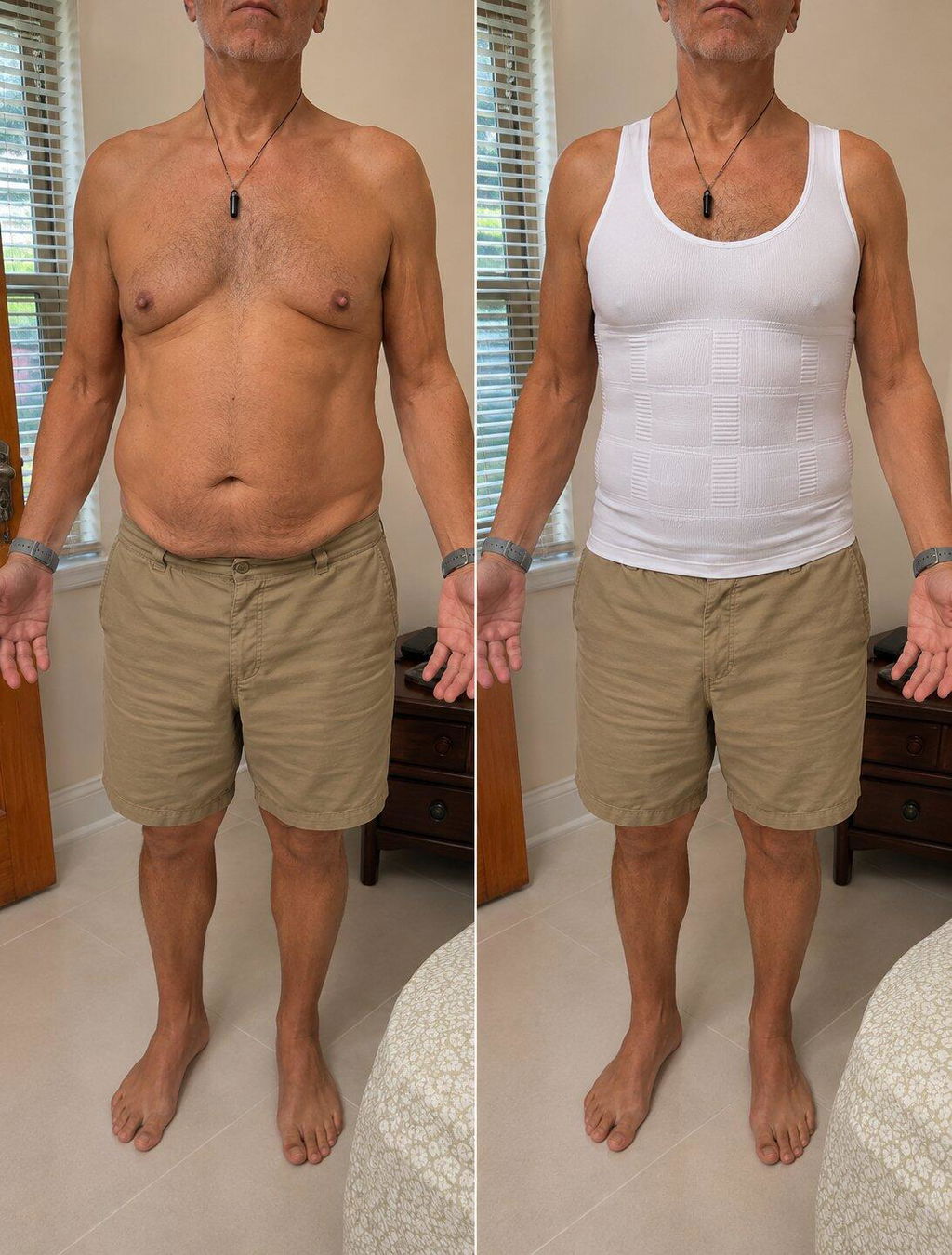
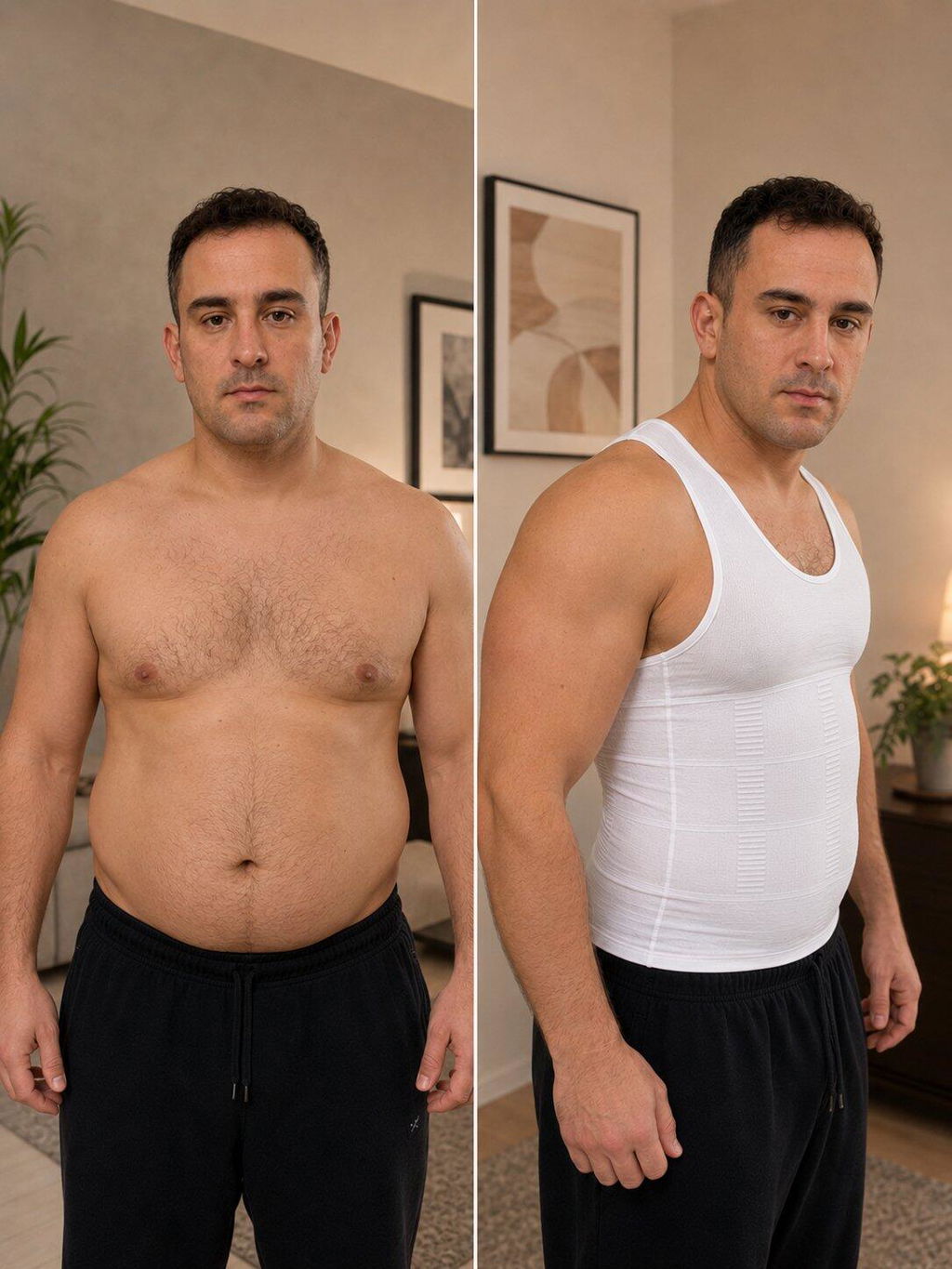
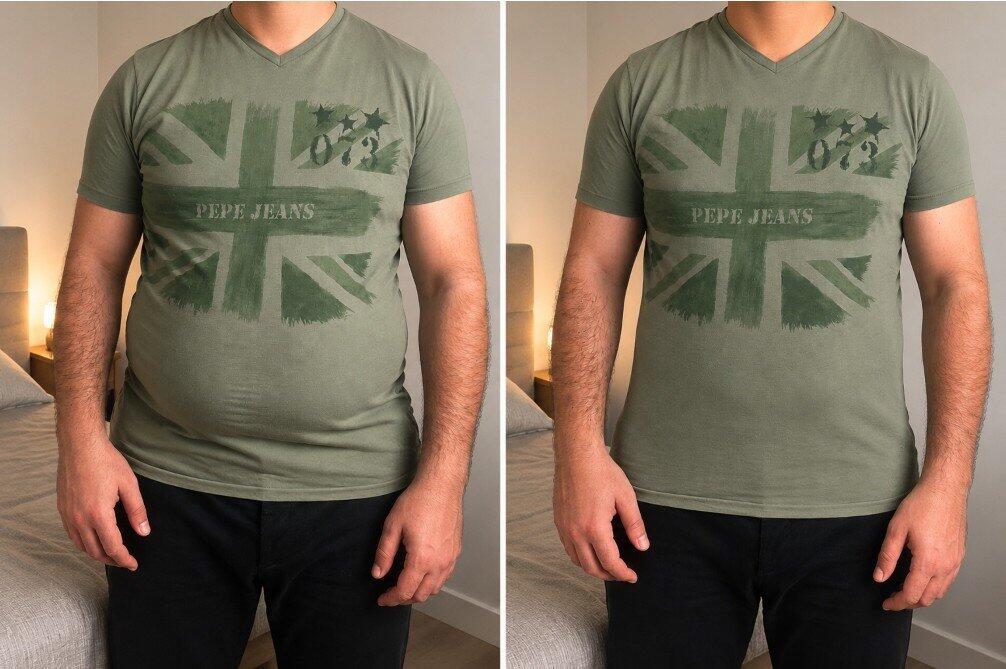
Same body. Same shirt. Different foundation underneath — the compression base layer changes how the fabric drapes.
Lifestyle Changes Men Usually Try
Most men start with lifestyle changes because they feel practical. And in some cases, they do help. But it is important to understand what lifestyle changes can and cannot do.
We hear from men who are already making an effort — eating better, training more consistently, choosing better shirts — but still feel frustrated because the chest line under clothing has not changed as quickly as the rest of their routine.
May reduce overall chest appearance if fat is involved — but fat loss is not targeted. The chest can be the last to change.
Improves posture and shoulder position over time. Does not remove glandular tissue. Belongs in the long-term lane only.
Basic routine supports general health but is not guaranteed to reverse gynecomastia. A foundation, not a fix.
Long-term habits take months. The shirt problem is every morning. These require two different tools.
Real self-care is not pretending every habit will flatten the chest. Real self-care is knowing which habits support the long term and which tools help you feel better dressed today.
One thing many men notice: lifestyle changes can take time, while certain shirts keep creating the same frustration. That is where clothing choices and the base layer underneath become part of self-care, not vanity.

Self-care works in two lanes. Most men only try one — and wonder why the other problem isn't solved.
Does Diet Help Gynecomastia?
Diet may help gynecomastia appearance if chest fullness is partly related to overall body fat, but diet alone may not remove true glandular gynecomastia. A balanced diet can support weight management and general health, but be careful with any claim that one food or supplement can "cure" gyno.
Men often search for a gyno diet because they want control. That makes sense. Food feels like something you can change right away.
If your chest appearance is partly connected to overall weight, eating in a more consistent, balanced way may help over time. But there is no honest way to promise that a specific food plan will target the chest first. The body does not remove fat exactly where you want it to.
It is also worth being skeptical of extreme advice. Online, you will see claims about individual foods, hormone balance, "estrogen-blocking" routines, and supplements. The practical truth is simple: diet may support long-term change, but it does not give most men immediate clothing confidence. It is one part of self-care, not the entire system.
What Self-Care Does Not Change
This is the part most articles avoid because it is less exciting. But it is the part that builds trust.
Self-care does not guarantee that gynecomastia disappears. It does not replace a doctor. It does not remove glandular tissue overnight. It does not make every thin shirt suddenly work. And it does not mean you failed if your chest still looks the same after making healthy changes.

What daily habits and clothing can — and cannot — realistically do.
| Self-care step | What it can help | What it may not change |
|---|---|---|
| Weight management | Overall body fat, general silhouette | Persistent glandular tissue |
| Strength training | Posture, chest support, upper-body shape | Immediate shirt tension |
| Better shirts | Fabric drape, shadow, side profile | The body underneath |
| Compression | How clothing sits while worn | Permanent tissue change |
| Medical treatment | Underlying causes when appropriate | Instant daily clothing comfort |
This is why self-care should be split into two lanes: long-term support and immediate clothing management.
If your shirts keep pulling across the chest while you figure out the long-term picture, a smoother foundation underneath can make normal clothes feel easier to wear.
Make Shirts Sit Cleaner While You Figure It Out
The VEROSHAPE Compression Tank smooths the chest and torso under everyday shirts — without medical claims, fake transformations, or bulky layers.
Shop The Compression TankWhy Shirts Often Matter More Than Men Expect
Most men think about gynecomastia as a body issue first. That is understandable. But day to day, the frustration often shows up through clothing.
A bare chest in a bathroom mirror may feel one way. A white t-shirt in daylight may feel different. A polo can catch the chest line. A dress shirt can pull between buttons. A thin fitted tee can turn a mild shape into something you keep checking. That does not mean the shirt caused the issue. It means the shirt made it more visible.
If your main concern is how gynecomastia shows under clothing, the gynecomastia compression shirt page explains how compression can help create a cleaner chest line. For broader everyday layering, a compression base layer can act as the first layer that helps the outer shirt behave more predictably.
If you are comparing more permanent options, our guide on compression shirt vs surgery for gynecomastia breaks down the full comparison.

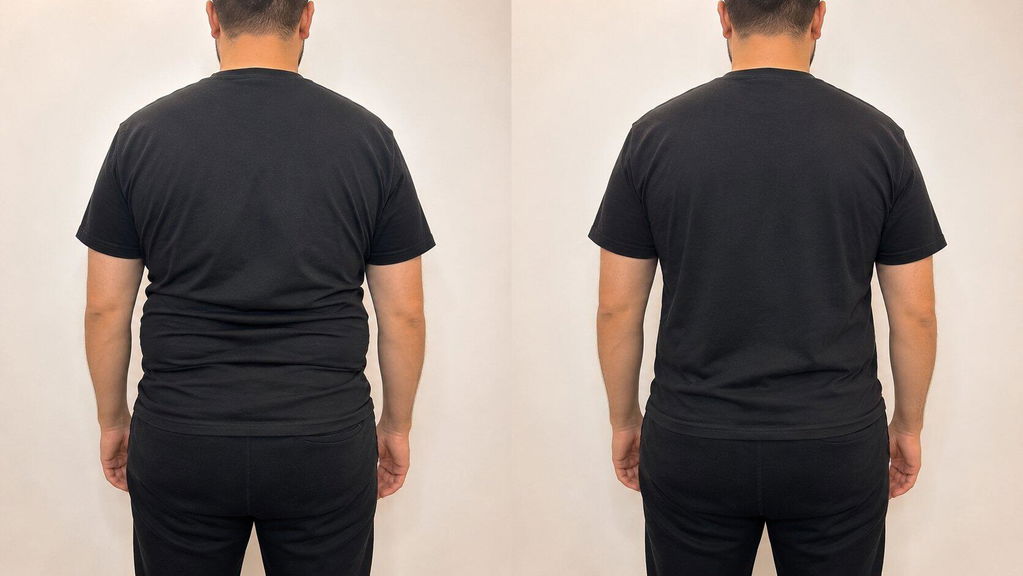
Three shirts. Three different results. Same body underneath — the difference is what the fabric does.
Daily Situations Men Notice More Over Time
This section is not about diagnosing yourself. It is about the ordinary situations that make gynecomastia feel more present than it looked in the mirror that morning.
At work, a dress shirt can feel controlled when you first button it, then start pulling once you sit down, reach forward, or walk between meetings. The shirt might fit the shoulders perfectly, but if the fabric is thin or the chest panel is tight, it keeps reminding you of the same area throughout the day.
Photos create a different kind of frustration. Many men leave the house feeling fine, then see one group photo and immediately focus on the chest area. It is not always because the body changed. It is often the angle, the lighting, or the way the shirt caught across the chest at that specific moment.
Summer makes the same issue harder to ignore because lighter weather usually means lighter fabrics, brighter colors, and fewer layers. A chest shape that felt manageable under an overshirt in March can feel much more exposed in a thin white t-shirt in July.
We hear from men who say the side profile is the angle that bothers them most. The front view feels acceptable, but a shop window reflection, car window, or side mirror suddenly shows chest projection and shirt tension together. That is usually when the problem stops feeling like a vague concern and starts affecting what they choose to wear.
For clothing-specific strategies, read our guide on how to hide gynecomastia under a shirt. That article focuses on fabrics, fit, layering, and daily outfit choices.
A Simple Gynecomastia Self-Care System
The most useful system is simple because it separates what helps now from what may help later. Most men get stuck expecting one solution to do everything: fix the body, improve the shirt, and make the issue disappear emotionally. That is too much pressure for one habit or one garment.
Start with clarity, not panic
If you are unsure whether the concern is chest fat, gynecomastia, or both, start by learning the difference instead of guessing forever. Understand whether your concern is mainly visual, clothing-related, medical, or a mix.
Build a shirt wardrobe that does not fight you
Medium-weight fabrics, darker colors, subtle texture, and clean shoulder fit work better than thin, tight, light-colored shirts. This does not mean hiding in oversized clothes — it means choosing outer layers that do not copy every contour underneath.

Not every shirt works the same way. Fabric weight, color, and structure change how the chest reads under clothing.
Use a smoother foundation when clothing matters
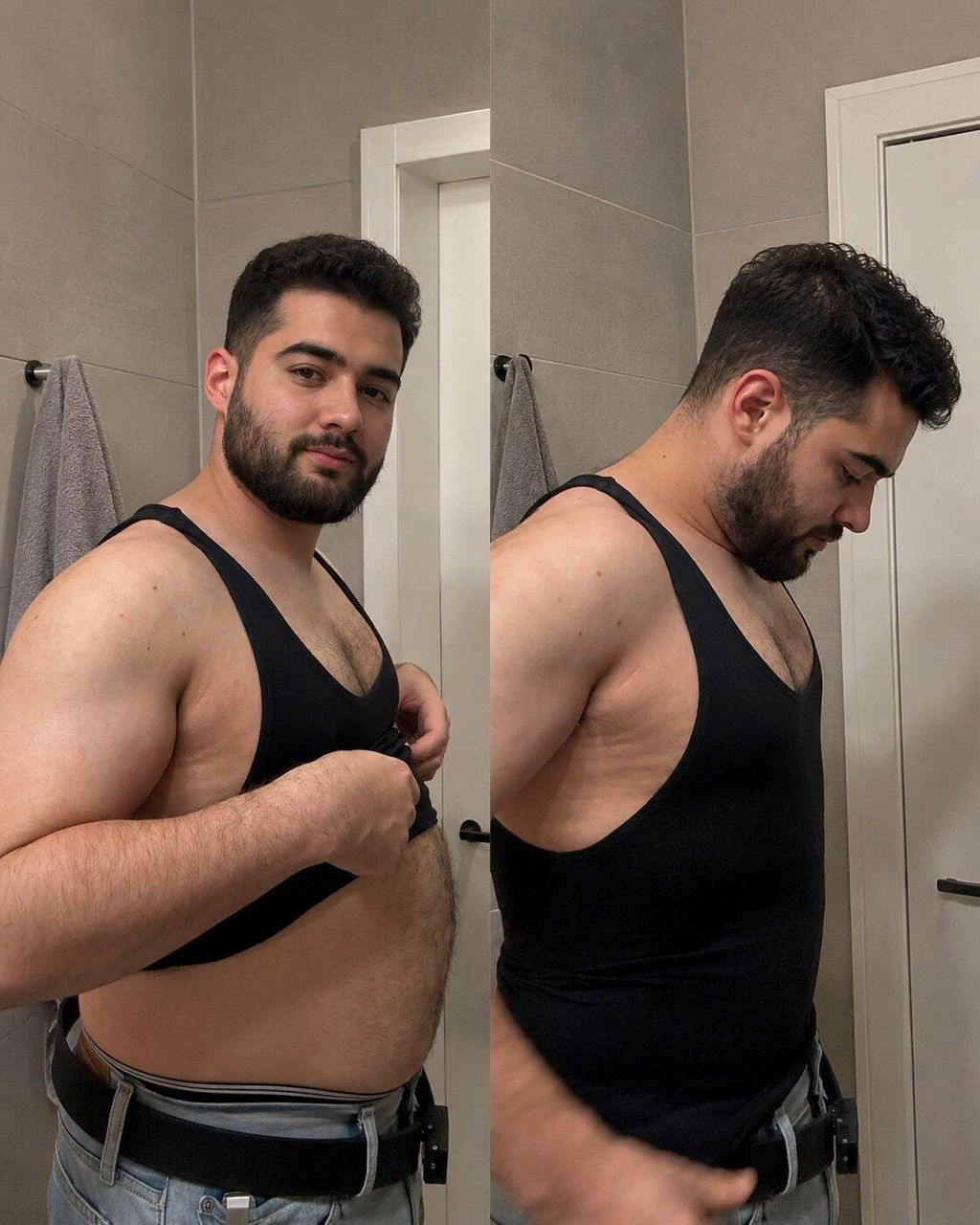
A compression tank helps the outer shirt sit cleaner while worn. It does not treat the underlying condition. Its value is practical: it gives your shirt a smoother surface so the chest area is less likely to become the first thing you think about.

The compression layer reduces the projection that fabric reacts to — same body, calmer outer shirt.
Build long-term habits without expecting instant change
Weight management, training, sleep, and routine may support your body over time, especially if chest fat is part of the picture. But they should not be the only plan for days when you still need to get dressed, go to work, and feel normal in a shirt.
Know when self-care is not enough
Persistent, painful, sudden, or one-sided changes deserve professional advice. Self-care should never become avoidance of a real health concern. The right system gives you daily control without pretending clothing can answer every medical question.
FAQ: Gynecomastia Self-Care
Gynecomastia can sometimes improve naturally, especially when it happens during puberty or is linked to a temporary trigger. But persistent adult gynecomastia does not always disappear on its own. If glandular tissue has been present for a long time, lifestyle changes may improve overall body composition without fully changing the chest tissue itself.
Weight loss may improve the appearance of the chest if fat is part of the issue. But if gynecomastia involves glandular tissue, weight loss alone may not fully fix it. This is why some men lose weight and still feel frustrated by the chest area under shirts. The answer depends on whether the fullness is fat, glandular tissue, or a combination.
Self-care can help mild gynecomastia by improving daily comfort, clothing choices, posture, and confidence. It may also support general health if lifestyle factors are involved. But self-care does not guarantee that glandular tissue disappears. For many men, the most realistic benefit is feeling more in control of how shirts sit day to day.
Diet can support weight management and general health, which may help if chest fullness is partly related to body fat. But diet is not a guaranteed cure for gynecomastia. Be cautious of any advice claiming that one food, supplement, or diet plan can remove male breast tissue. If the issue is persistent or concerning, medical advice is more appropriate.
Yes. Thin, tight, light-colored, or stretchy shirts can make gynecomastia appear more visible because they pull across the chest and show shadow or projection. Structured fabrics, darker colors, better fit, and a smooth base layer can help shirts sit cleaner. This is why clothing is a real part of gynecomastia self-care for many men.
A compression shirt or compression tank can help smooth the appearance of gynecomastia under clothing while worn. It does not remove tissue, treat the condition, or replace medical advice. Its role is practical: creating a smoother foundation so normal shirts sit cleaner across the chest and torso, especially in daily situations where clothing confidence matters.

Not a new body. Just fewer moments spent adjusting the shirt.
Start With The Layer No One Sees
Self-care is not only about long-term change. VEROSHAPE helps create a smoother foundation under t-shirts, polos, and dress shirts so your clothes sit cleaner today.
Shop VEROSHAPE