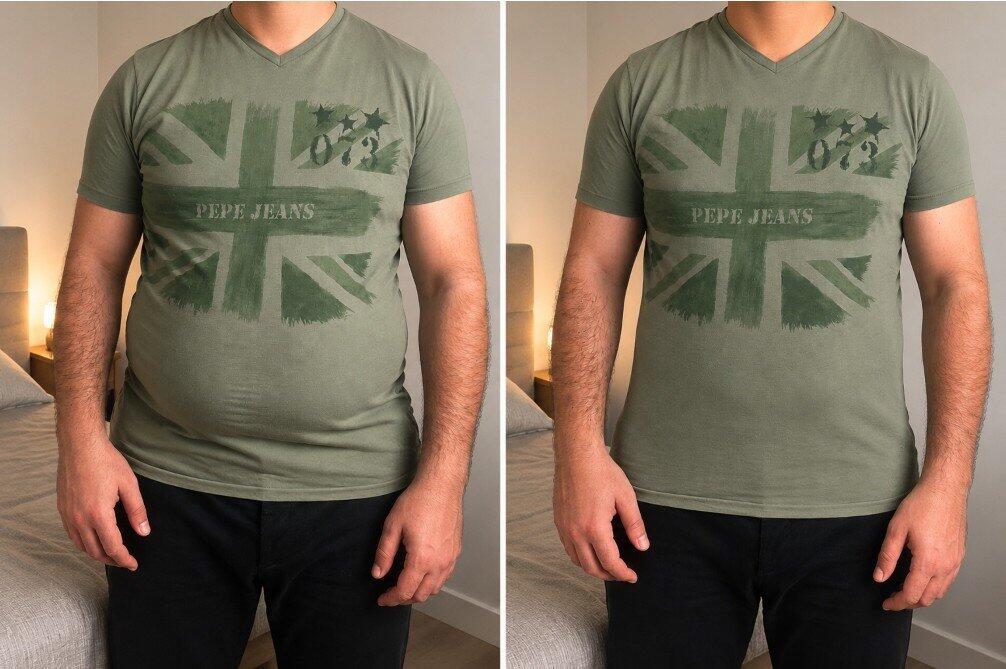
Compression Shirt vs Surgery For Gynecomastia: Which Is Right For You?
Compression Shirt vs Surgery For Gynecomastia: Which Is Right For You?
Both compression shirts and surgical removal flatten gynecomastia, but they solve the problem in completely different ways. Compression delivers immediate results, costs almost nothing, and is completely reversible—but it's temporary. Surgery is permanent and more effective for severe cases, but costs $3,000–$8,000+, requires 2–4 weeks of downtime, and carries surgical risks. This comparison helps you decide which solution matches your timeline, severity, and budget [1].
Quick Comparison Table
| Feature | Compression Shirt | Surgery |
|---|---|---|
| Cost | $80–$150 | $3,000–$8,000+ |
| Timeline to Results | Immediate (wear and see) | 2–4 weeks healing |
| Effectiveness | 25–40% improvement | 85–95% improvement |
| Permanence | Temporary (while wearing) | Permanent |
| Downtime | None—wear immediately | 2–4 weeks off work/exercise |
| Reversibility | 100% reversible | Not reversible (tissue is removed) |
| Scar Risk | None | Yes—visible scars possible |
| Best For | Immediate confidence, testing solutions, mild-moderate cases | Permanent solution, severe cases, long-term satisfaction |
Compression Shirts: Immediate, Temporary, Affordable
How compression works
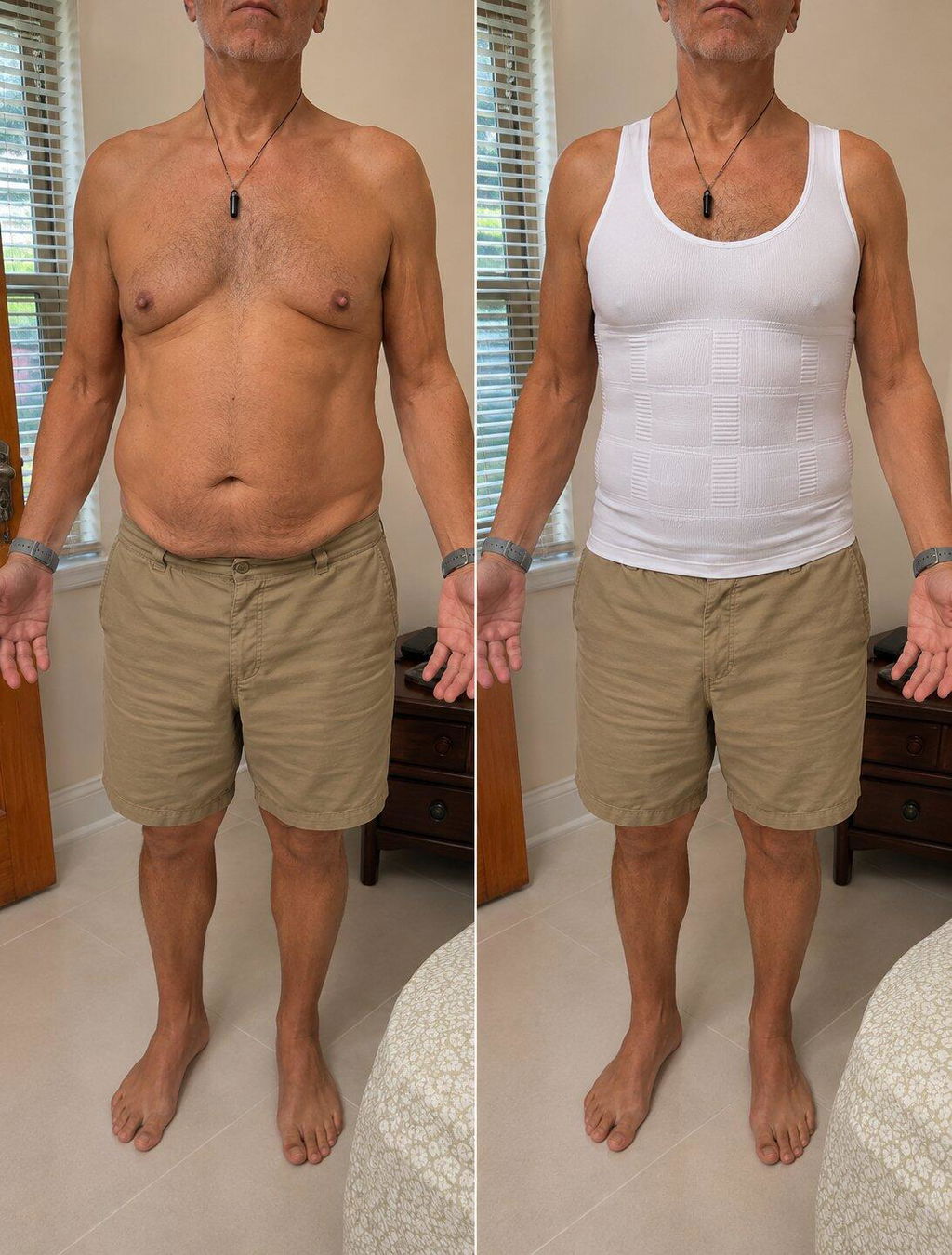
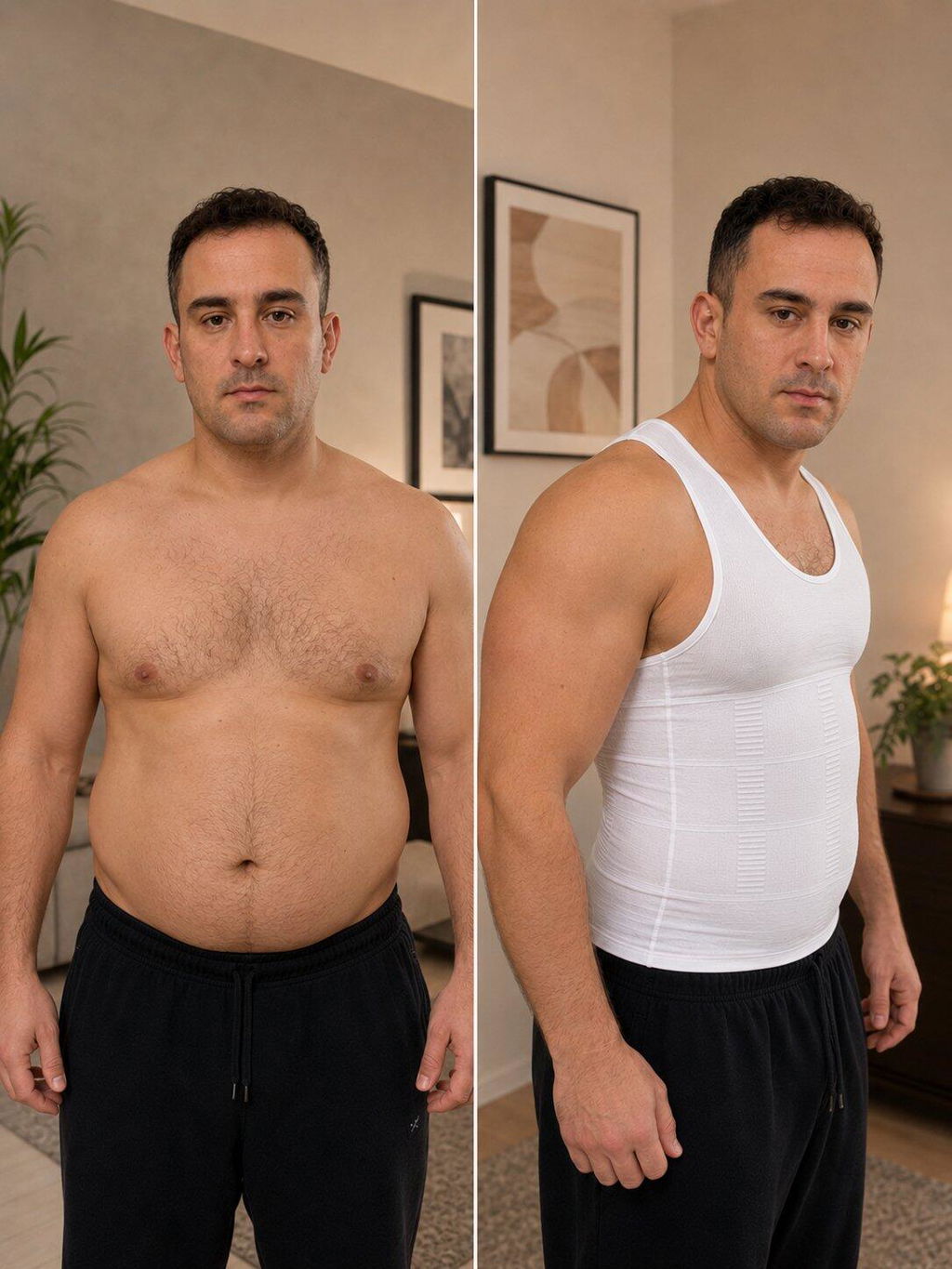
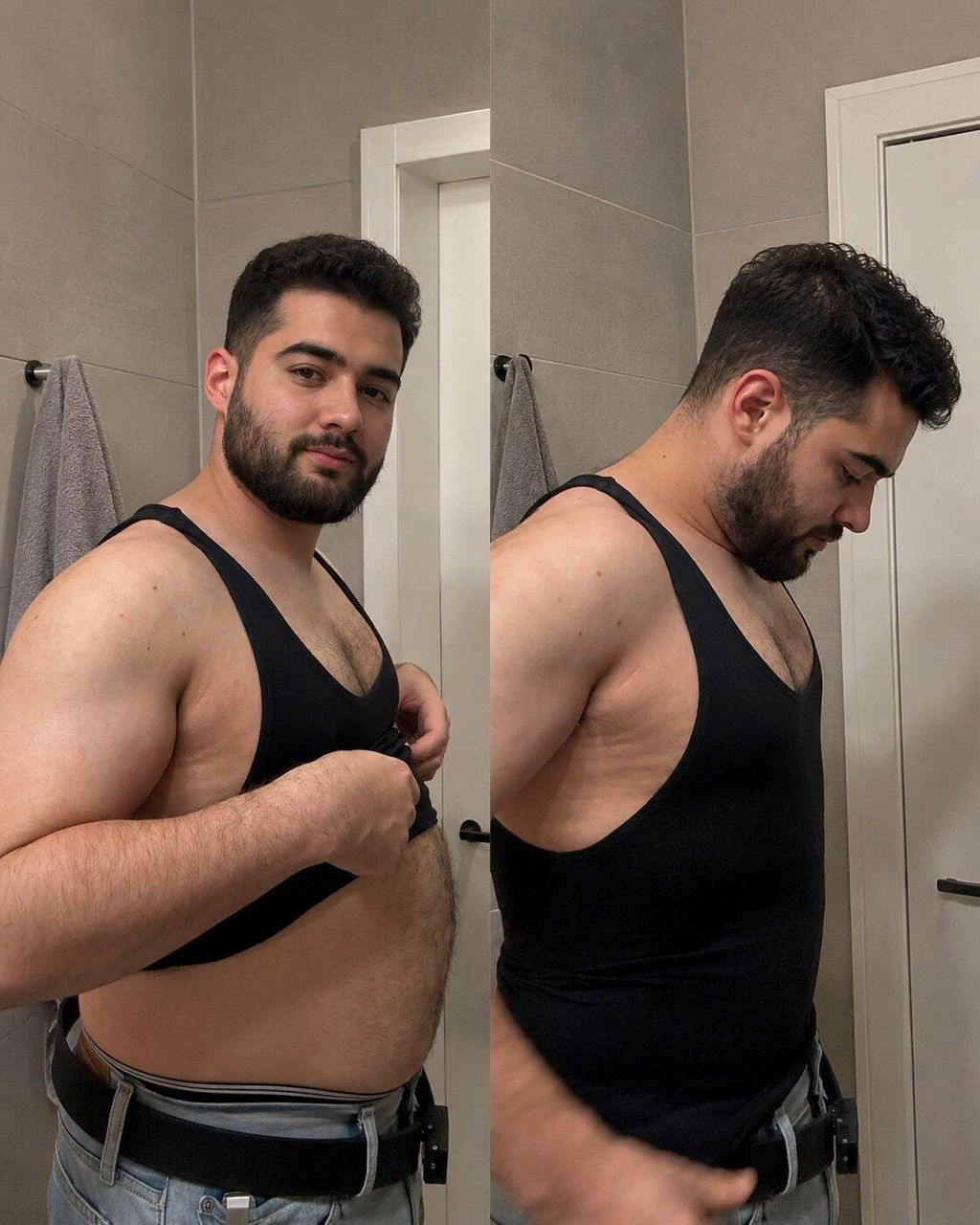
A compression shirt physically compresses breast tissue against the ribcage while you're wearing it. Results are immediate and visible [2].
Pros of compression
✓ Affordable: One shirt costs $80–$150 vs. $3,000+ for surgery
✓ No downtime: Wear to work, dates, gym, anywhere
✓ Reversible: Stop wearing and return to normal
✓ Low risk: No surgical complications or scars
✓ Test before committing: Try compression before considering surgery
Cons of compression
✗ Less effective: 25–40% improvement vs. 85–95% for surgery
✗ Daily commitment: Must wear every day for consistent results
✗ Not for severe cases: Works better for mild-moderate gynecomastia
Best for:
Men who want immediate chest flattening for daily confidence, don't have thousands to spend, or want to test solutions before committing to surgery.

Surgical Removal: Permanent, Expensive, Effective
Surgical options for gynecomastia
Two main approaches: liposuction (fat removal) and glandular excision (tissue removal). Many surgeries combine both [3].
Pros of surgery
✓ Highly effective: 85–95% improvement in chest appearance
✓ No daily maintenance: Remove the tissue once, done forever
✓ Best for severe cases: Works for dramatic gynecomastia
✓ Boost confidence long-term: Don't think about it ever again
Cons of surgery
✗ Downtime required: 2–4 weeks off work, gym, activity
✗ Surgical risks: Infection, bleeding, anesthesia complications
✗ Scar tissue: Visible scars around nipple or under pecs possible
✗ Not reversible: Tissue is permanently removed
✗ Revision surgery risk: May need touch-up if results uneven
Recovery timeline
Most men return to light activity within 2 weeks and full activity within 4–6 weeks. Pain management is required for the first 1–2 weeks [1].
Best for:
Men with severe gynecomastia, who want a permanent solution and can afford surgery, and who have the time for recovery.

Head-To-Head Comparison: When to Choose Each
Choose compression if:
- You need instant results (today, this week)
- You're on a tight budget ($80–$150 vs. $3,000+)
- You have a mild-moderate case
- You want to test solutions before surgery
- You can't take 2–4 weeks off work
- You value reversibility and flexibility
Choose surgery if:
- You have severe gynecomastia and compression doesn't provide enough improvement
- You want a permanent solution (done after surgery)
- You can afford $3,000–$8,000+
- You can take 2–4 weeks off for recovery
- You're willing to accept surgical risks (scars, complications)
- You want to stop thinking about gynecomastia forever
The Hybrid Approach: Many Men Do Both
Many men start with compression shirts for immediate daily confidence while exploring surgical options. If they eventually choose surgery, compression provides confidence during the consultation and decision-making process. After surgery, compression can be used during recovery [2].
If you're still unsure whether you're dealing with glandular tissue, chest fat, or both, our guide on gyno vs chest fat explains the differences men usually notice first.
Many men do not jump directly into surgery decisions. They usually start by exploring practical day-to-day strategies first. Our gynecomastia self-care guide explains realistic lifestyle habits, clothing choices, and daily approaches men often try before thinking long term.
For a broader overview, read our complete guide to gynecomastia or compare best compression shirts for gynecomastia. If you want the full cluster page with product details, visit the gynecomastia compression shirt guide.
Compression gives you time to research surgeons, get multiple consultations, save money, and feel confident while you decide. It's not compression OR surgery—it's compression NOW, surgery LATER if you want it.

Making Your Decision
Ask yourself these questions:
- Do I need results today, or can I wait 2–4 weeks?
- What's my budget?
- How severe is my gynecomastia? (mild, moderate, severe)
- Do I want a temporary or permanent solution?
- Can I take 2–4 weeks off work/activity?
- Am I willing to accept surgical risks?
Most men start with compression because it provides immediate results with zero risk while they consider long-term options. If compression doesn't provide enough improvement, surgery is always an option later.
How much does gynecomastia surgery cost?
Gynecomastia surgery typically costs $3,000-$8,000, depending on surgeon, location, and technique. Insurance rarely covers it.
How long is recovery from gynecomastia surgery?
Most men return to light activity in 2-3 weeks and full activity in 4-6 weeks. Pain typically peaks the first 3-5 days, then decreases.
Can I wear compression during and after surgery recovery?
Yes, many surgeons recommend compression after surgery to reduce swelling and support healing. Compression is often part of post-surgical care.
Is gynecomastia surgery permanent?
Yes, once tissue is surgically removed, it cannot grow back. Results are permanent. However, weight gain can create new tissue.
Frequently Asked Questions
Is compression as effective as surgery for gynecomastia?
No. Compression: 25-40% improvement while wearing. Surgery: 85-95% permanent improvement.
How much does gynecomastia surgery cost?
Typically costs 3000-8000 dollars. Insurance rarely covers it.
How long is recovery from gynecomastia surgery?
Light activity in 2-3 weeks, full activity in 4-6 weeks. Pain peaks first 3-5 days.
Can I wear compression during and after surgery recovery?
Yes, often recommended to reduce swelling and support healing during recovery.
Is gynecomastia surgery permanent?
Yes, tissue removal is permanent. Weight gain can create new tissue though.
Start With Compression Today
Get immediate chest flattening while you decide on long-term solutions. Wear it today, decide on surgery tomorrow.
Start With CompressionSources & References
- American Society of Plastic Surgeons — "Gynecomastia surgery outcomes and patient satisfaction rates" (2023)
- Journal of Fashion Technology — "Compression garment effectiveness compared to surgical outcomes" (2023)
- Plastic Surgery Quarterly — "Surgical techniques for gynecomastia removal" (2022)