How to Dress a Stocky Build: Men’s Complete Fit Guide
A Large fits your chest but hangs too low. A Medium has the right length but pulls at your shoulders or arms. Pants fit your thighs, then turn loose below the knee. If that sounds familiar, your main problem may be proportion, not the size label.
A stocky build usually means a broad, solid frame relative to height, often with a wider chest and shoulders. For clothing, the useful rule is simple: fit the hardest part first, then fix extra length or loose areas instead of sizing up everywhere. That can mean fitting a shirt to your shoulders and chest before judging the hem, or fitting pants to your seat and thighs before judging the lower leg.
What Is a Stocky Build in Men?
A stocky build is usually used to describe a body that looks broad, solid and compact rather than narrow or lanky. The term is often linked with broad shoulders, a wider chest and a shorter or average-height frame. But people also use “stocky” for muscular, heavier and mixed builds, so it is not a precise clothing size or a strict body category.
That matters when you dress. Some stocky men are short. Some are tall. Some are muscular through the chest and thighs. Others carry more weight around the middle. What connects them is often the same clothing problem: standard sizes do not match their width-to-length proportions very well.

Not by itself. “Stocky” can describe broad, muscular, heavy-set or mixed builds. For clothing, the label matters less than the fit problem it creates.
Why Clothes Fit Stocky Men in One Place and Fail in Another
One of the most common stocky-fit problems is not that nothing fits. It is that one part fits and another part fails. A Large shirt may clear the chest but become too long. A Medium may have the right length but feel tight in the arms. Pants may fit the thighs but look loose from the knee down.
A size label tries to solve several measurements at the same time. A stocky frame can need more width without needing all the extra length that often comes with a larger size. That is why blindly sizing up can fix the first problem you notice and create a second one.
| What fits | What fails | Better first check |
|---|---|---|
| Chest and shoulders | Shirt body is too long | Keep the upper fit and check whether the hem can be shortened. |
| Shirt length | Arms or shoulders feel tight | Do not keep the smaller size just for length. Test a roomier cut first. |
| Seat and thighs | Lower leg looks too loose | Judge the lower-leg shape after the seat and thighs work. |
| Waist | Thighs feel too tight | Try a cut with more thigh room instead of only changing waist size. |
Fit the hardest part first. Fix the easier proportion second.
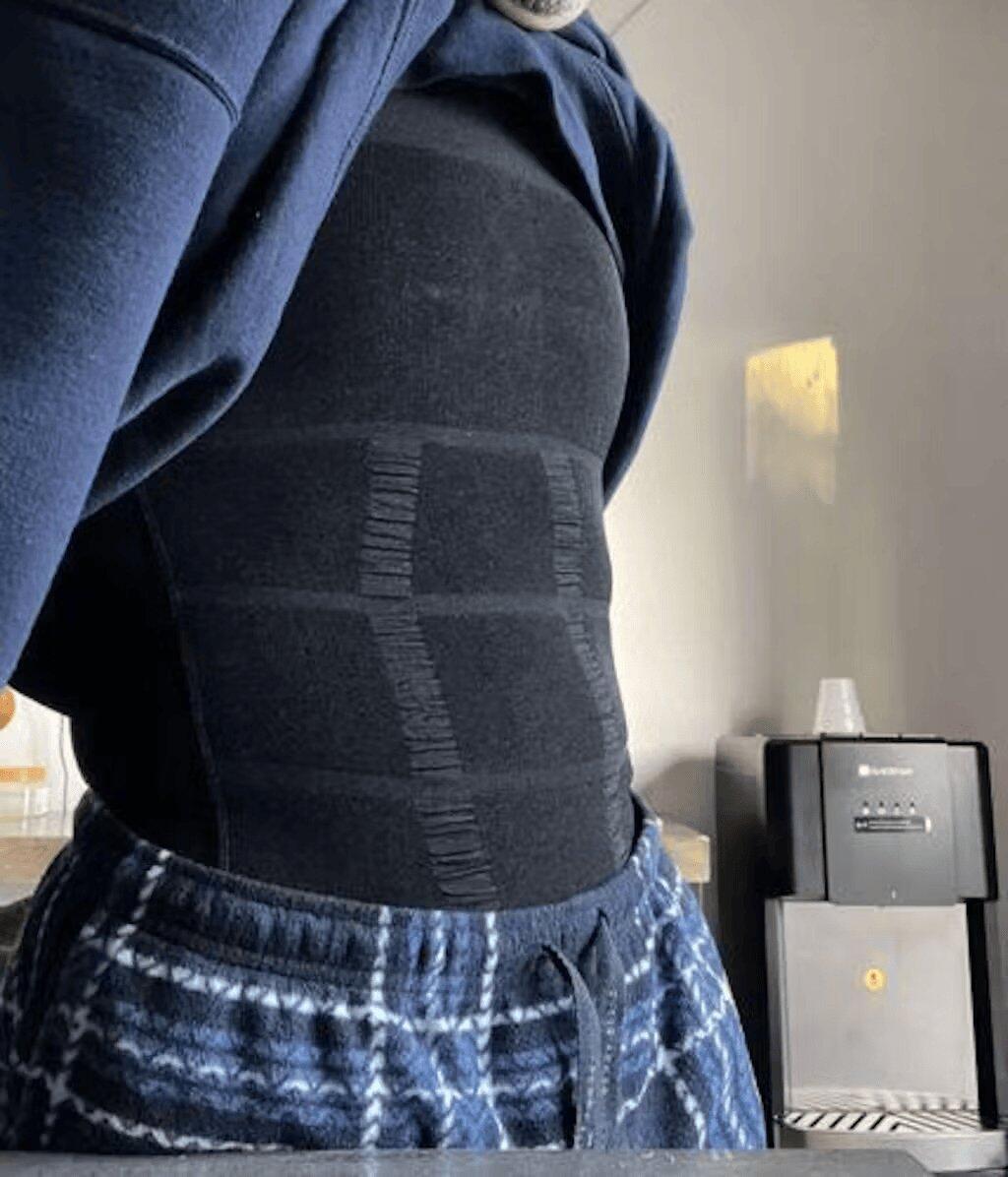
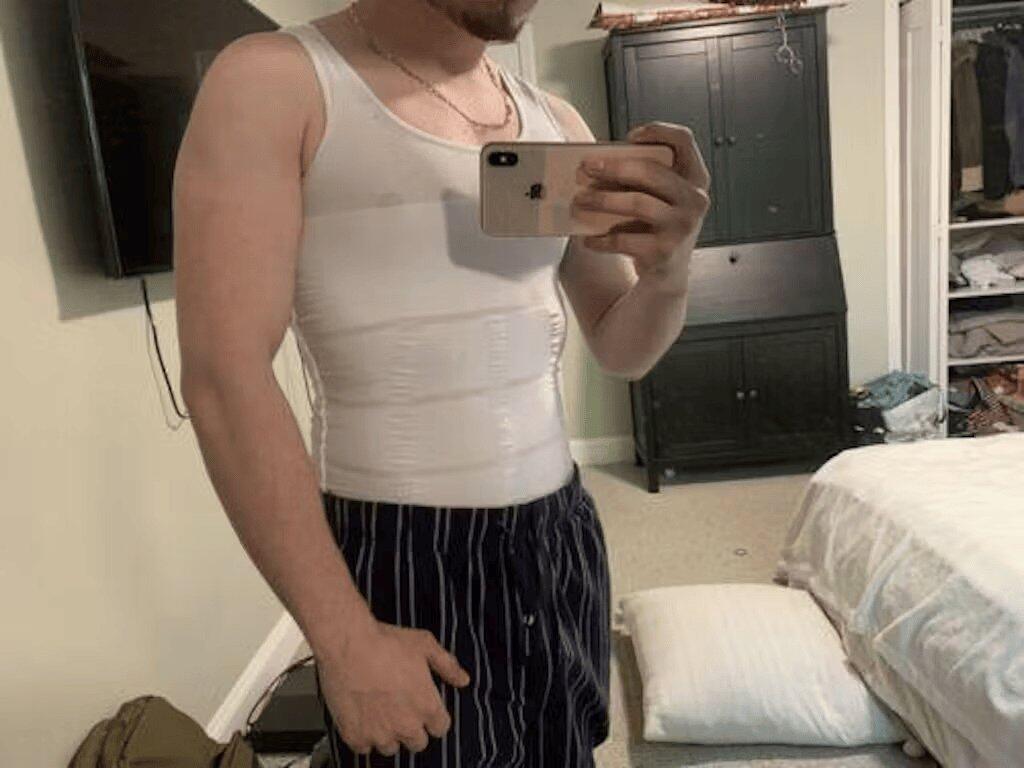
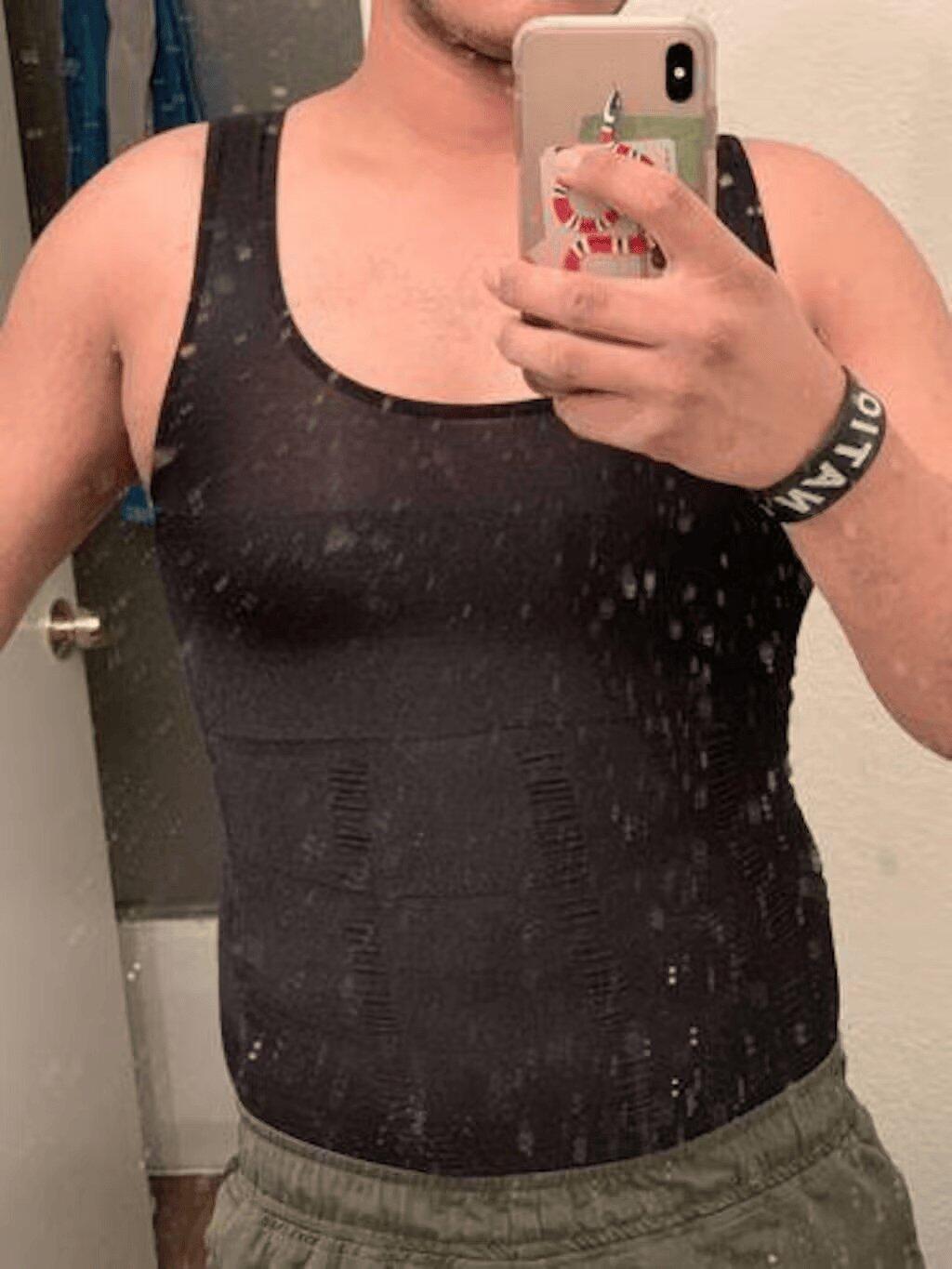
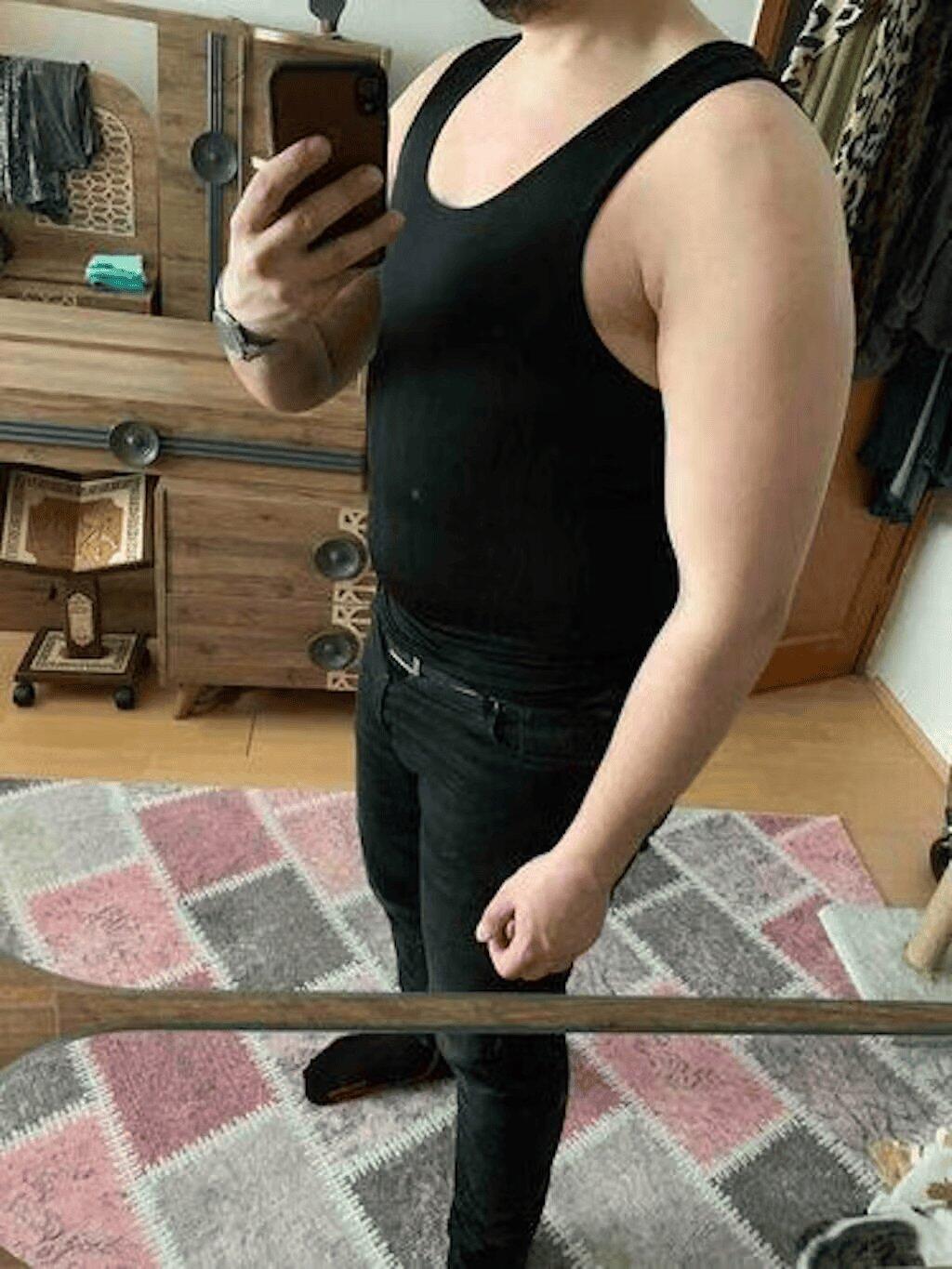
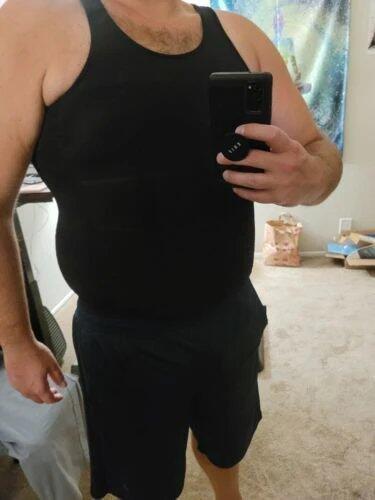
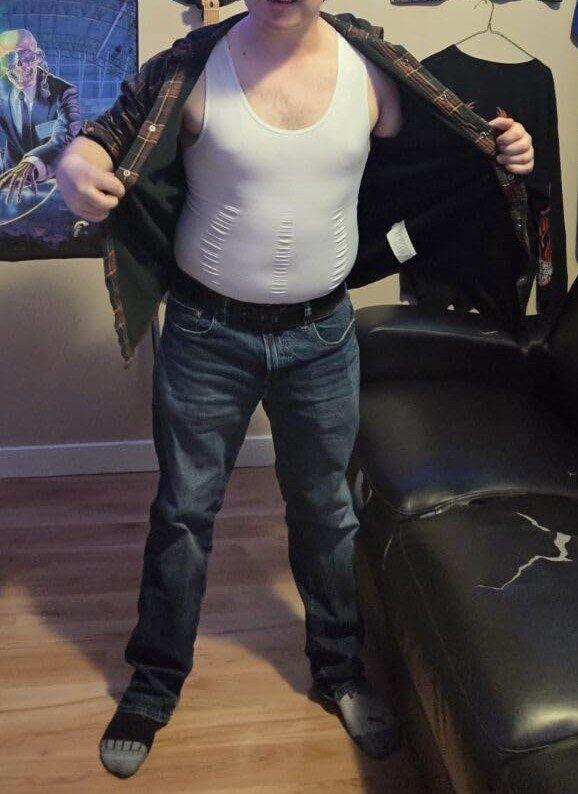
A base layer cannot repair bad shirt proportions. If your outer shirt already has the right width and length but you still want to compare a smoother first layer, see this guide to a compression tank top for men.
How Shirts Should Fit a Stocky Build
Start with the area that is hardest to fit. For many stocky men, that is the shoulders, chest, upper arms or neck. A smaller shirt can have the right body length but become too tight through those areas.
If the shirt pulls at the upper body, do not keep it only because the hem looks perfect. First find enough room for normal movement. Then check whether the extra body length can be solved with a different cut, a shorter option or a simple alteration.
1. Fit shoulders and chest before chasing a shorter hem
A common problem is that one size feels right in the arms, shoulders and chest while the next size down has the better length. If the shoulders are the main fit problem, use our guide to how to dress broad shoulders before changing size again. The same thing can happen to tall stocky men. The shared problem is the ratio between width and length, not height alone.
2. Check the side view and the seated fit
A shirt can look calm while you stand and change when you sit, reach or move. Use those positions before you decide that the size works. If your main conflict is a dress shirt around a fuller chest or middle, use the deeper guide on how a dress shirt should fit with a belly or fuller chest.
3. Do not make oversized the default fix
Going larger can give the chest more room, but it can also add too much length and loose fabric. Relaxed fits are not wrong. The point is that extra fabric should be a style choice, not the price you pay for getting enough chest room. The same proportion problem applies to sleeveless tops, where strap width, armhole depth, torso length and chest-to-waist taper can change the fit dramatically; our guide to tank top cuts and fits for men explains how the main styles differ.
For broader advice on tops, fabric and fit for larger frames, the separate style guide for bigger men covers that wider topic.

Best Pants Fit for Stocky Men With Big Thighs
Large thighs are another common stocky-fit problem. Standard cuts can feel very slim on the upper leg, while looser cuts can become too wide below the knee.
The practical order is seat and thighs first, lower-leg shape second, hem last. If you reverse that order, you can end up choosing a neat ankle line while the top half of the pants is still too tight.
Fit the seat and thighs first
Start with enough room through the seat and upper leg. Then deal with excess fabric lower down if needed. That is more useful than treating labels such as “slim,” “straight” or “athletic” as universal answers. Fit names change by brand, so judge the garment on your body rather than the label.
If you are deciding whether extra room should come from the overall trouser cut or from the front construction itself, our guide to pleated vs flat-front pants explains how to compare the front, pockets, seat and thighs before changing size.
Use taper as a tool, not a rule
A slight taper can work well when the thighs are large and the calves are smaller. But an aggressive taper can also make the lower leg look squeezed. The goal is not the narrowest leg opening. It is a lower leg that does not drown the shoe or fight the upper leg.
Fix length after the upper fit works
Short stocky men often find pants that fit the waist or thighs but run too long. Hemming can solve length without forcing you to give up the thigh or seat fit that already works.

If your shirts and pants now fit in the right places but you still want to understand hidden torso-smoothing options, evaluate that only after the outer fit is working.
Compare the broader category
See how different types of men’s shapewear fit into an outfit after the outer clothes are already working.
How to Layer a Stocky Build Without Adding Bulk
Layering can create a new problem for a broad frame. A T-shirt may fit well on its own, then several winter layers can turn the same outfit into one large block of fabric.
The useful lesson is not “never layer.” It is to watch how much volume each layer adds and where that volume ends. Clean jacket structure can help, while very bulky outerwear may cover the proportions you worked to fix underneath.
Keep the inner layers simple
If two lighter layers already give you the warmth and coverage you need, another thick layer can change the whole silhouette. Judge the complete outfit, not each item on its own.
Watch where the jacket ends
Jacket length matters because it changes how much of your torso and legs remain visible. For a shorter stocky man, a very long jacket can make the upper layer dominate the outfit. A tall stocky man may need a different balance, which is why height should be treated as a modifier rather than the definition of stocky.
If your goal changes from “make the clothes fit” to “make the whole shirt silhouette look leaner,” use the separate guide on how to look slimmer in a shirt.

Should Stocky Men Size Up or Get Clothes Altered?
Size up when the garment cannot give the hardest part of your body enough room to move or close cleanly. Consider an alteration when the hard part already fits and the remaining problem is simpler, such as excess hem, sleeve or lower-leg length.
Tailoring can be useful because many stocky men sit between ready-to-wear proportions. But cost matters. You do not need to turn every casual shirt or pair of pants into a tailoring project.
Treat alterations as a priority tool, not an all-or-nothing lifestyle. Use them first on clothes you wear often or on pieces where the difficult part already fits well and the remaining fix is clear.
| Problem | Try first | Why |
|---|---|---|
| Chest or shoulders cannot move freely | Roomier size or cut | Length is not the first problem yet. |
| Upper body fits, shirt is too long | Shorter cut or hem alteration | You keep the width that already works. |
| Seat and thighs fit, lower leg is too wide | Different cut or modest taper | You do not sacrifice thigh room to clean up the ankle. |
| Everything is wrong in several places | Try a different cut or brand before paying to rebuild the garment. | An alteration is most useful when the starting garment is already close. |
Do not spend money fixing a garment that fails everywhere. Spend it where one hard-to-fit area is already right and a smaller change can finish the job.

Different Stocky Body Types Need Different Fit Checks
A useful stocky guide cannot assume every reader is short, overweight or trying to look taller. Stocky men can be short, tall, muscular, broad through the chest, heavier through the middle or some combination of those traits.
Work clothes add another layer because the outfit has to stay clean while you sit, move and repeat it through the week. If that is your main setting, the separate guide to business casual for bigger men turns broader fit rules into work-ready outfit formulas.
A stocky frame can also come with a long torso and shorter legs. In that case, check the torso-to-leg proportion directly because it can change shirt length, rise and trouser-length decisions.
When a Base Layer Can Help a Stocky Build
A base layer makes sense only after you know the outer shirt is the right size and proportion. It cannot shorten a shirt body, add room to a tight shoulder or fix pants that are wrong through the thighs. Instead, consider it only when the outer garment already works and you want a steadier surface underneath.
This option is not automatic. Some men find compression too tight or too noticeable even when they try a larger size. Comfort, visibility and tightness are real decision points, so more compression is not the same as better fit.

- Fix shoulder, chest, arm or thigh room first.
- Fix excess shirt, sleeve or trouser length second.
- Check the outfit while sitting and moving.
- Only then decide whether a hidden base layer improves the way the outer shirt drapes.
Already fixed the outer fit?
If your shirt now fits the way you want and you still want to evaluate a hidden first layer, you can see the VEROSHAPE Compression Tank.
The Stocky-Man Fitting-Room Test
The fastest way to avoid the “one part fits, one part fails” problem is to test the garment in a fixed order. Do not stop at the front mirror.
For shirts
- Move your arms and check the shoulders, chest and upper arms.
- Check whether the torso has room without turning into a loose box.
- Look at the hem length only after the upper body works.
- Sit down and reach forward.
- Ask whether the remaining problem is size, cut or a simple alteration.
For pants
- Sit and walk to test the seat and thighs.
- Check whether the lower leg looks controlled rather than empty or squeezed.
- Judge the hem after the upper fit works.
- Do not let a neat waist measurement talk you into pants that fight your thighs.
For jackets and layers
- Fit the shoulders and chest first.
- Put on the layer you will actually wear underneath.
- Check whether the jacket adds useful structure or just more volume.
- Look at the full outfit from the side, not only the front.
The best size is not the one that wins one measurement. It is the one that gives you the fewest bad compromises.

FAQ: Stocky Build and Clothing Fit for Men
What is a stocky build?
A stocky build generally means a broad, solid and compact frame, often with a wider chest and shoulders relative to height. It can describe muscular, heavier or mixed builds, so it is not a precise size category.
Does stocky mean fat?
No. Stocky can describe muscular and broad builds as well as heavier ones. Clothing decisions should be based on your actual width and length problems rather than the label.
Can a tall man have a stocky build?
Yes. A tall man can still have broad shoulders, a thick chest or overall width that makes standard shirt proportions difficult to fit.
What clothes are best for stocky men?
Start with clothes that fit the hardest area without forcing you to add excess length everywhere else. For shirts, that often means solving the shoulders and chest first. For pants, it often means solving the seat and thighs first.
Should stocky men wear slim fit?
Do not choose a fit name as a rule. A slim cut can be too tight on large thighs or arms, while a loose cut can become baggy elsewhere. Judge room, movement and proportion on your own frame.
What pants work for stocky men with big thighs?
Start with enough room through the seat and thighs, then judge the lower leg and hem. Straight, athletic or moderately tapered shapes can all work depending on your proportions.
Should a short stocky man always try to look taller?
No. Some men want a taller-looking silhouette. Others simply want their clothes to fit and feel proportional. Make height a goal only if it is your goal.
Is tailoring worth it for a stocky build?
It can be useful when the hardest area already fits and a smaller change such as length or lower-leg shape is the main problem. You do not need to tailor every garment.
If one size fixes width by adding too much length, stop asking which size is “correct.” Ask which part is hardest to fit, solve that first, and then correct the remaining proportion independently.